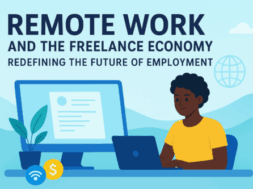
Remote Work and the Freelance Economy: Redefining the Future of Employment






The Rise of Remote Work and Digital Entrepreneurship
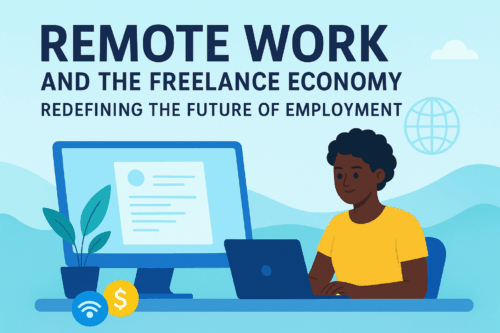
The world of work has changed forever. Thanks to digital transformation, high-speed internet, and global connectivity, professionals across Africa and beyond are embracing remote work and freelancing as sustainable career paths. The COVID-19 pandemic accelerated this shift, proving that talent knows no borders. Today, from Accra to Nairobi and Lagos to Cape Town, thousands of digital entrepreneurs and freelancers are earning globally while working locally.
Remote work isn’t just a trend—it’s the foundation of a new global economy where flexibility, skills, and digital presence are the new currencies.
The Evolution of Remote Work
How Freelancing Is Transforming Traditional Employment
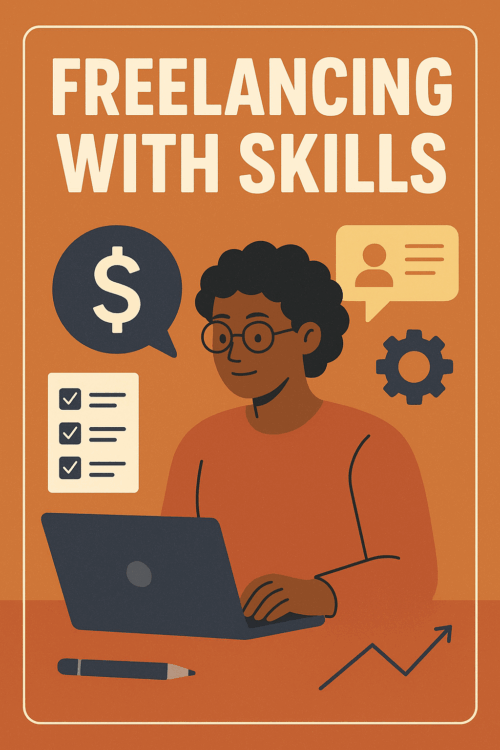
The traditional 9-to-5 job model is being replaced by project-based work. Freelancers can now choose when, where, and how they work, offering both autonomy and variety. This gig economy enables professionals to work with clients across the globe while building multiple income streams—something unthinkable just a decade ago.
Growth of Africa’s Remote Workforce
Africa is witnessing a digital boom. Countries like Nigeria, Kenya, Ghana, and South Africa are leading the remote work movement. With improvements in mobile internet and cloud technology, African youth are tapping into global job platforms to sell their skills and gain financial independence.
Top Freelance Platforms for African Professionals
Global Marketplaces
Freelancers from Africa are increasingly active on platforms such as Upwork, Fiverr, Freelancer, and Toptal, where clients from the U.S., Europe, and Asia seek affordable and high-quality talent. Building credibility, maintaining strong client relationships, and delivering consistent value are key to success on these platforms.
Regional Platforms and Hubs
Local ecosystems are also growing fast. Initiatives like African Freelancers Hub, RemoteOK, and Andela’s remote work model are connecting African professionals with global opportunities. These regional networks are building a sense of community and trust within the digital workforce.
In-Demand Skills in the Remote Work Market (2025 and Beyond)
Tech and Creative Roles
The most in-demand freelance skills continue to be software development, UI/UX design, web design, and data analytics. Additionally, creative roles such as digital marketing, video editing, and content writing are seeing rapid growth.
Emerging Service Roles
There’s also increasing demand for virtual assistants, customer support representatives, online tutors, and social media managers. As businesses scale globally, these service-based roles will continue to expand.
Building a Strong Online Portfolio and Personal Brand
Freelancers who thrive online know how to market themselves. Platforms like LinkedIn, GitHub, Behance, and Dribbble help professionals display their projects, testimonials, and achievements. A compelling personal brand—with a clear niche and authentic voice—attracts clients faster than any job application.
Your portfolio is your digital resume—make it visual, concise, and value-driven.
Managing Clients and Payments Across Borders
Freelancers often work with clients in different countries and currencies. Tools like Payoneer, Wise (formerly TransferWise), and Deel make it easier to receive payments securely. Setting up contracts, using invoicing systems, and maintaining transparent communication ensures smoother long-term collaborations.
Understanding time zones, communication etiquette, and project deadlines is crucial for professionalism and client trust.
Tools for Remote Work Productivity
Success in remote work depends on efficiency. Tools like Slack, Zoom, Trello, Asana, and Notion help freelancers organize tasks, manage teams, and stay connected. Time-tracking apps like Toggl and focus tools like RescueTime can also improve productivity while maintaining a healthy work-life balance.
Passive Income Opportunities in the Digital Space
Beyond freelancing, remote professionals are exploring passive income avenues such as online courses, blogging, affiliate marketing, and eBook publishing. By diversifying income streams, digital entrepreneurs reduce financial risks and achieve long-term stability.
With AI and automation, freelancers can now create scalable online businesses that generate revenue even when they’re offline.
Challenges of Remote Work — Time Zones, Distractions, and Burnout
Despite its many benefits, remote work comes with challenges. Working across time zones can lead to communication delays, while isolation may impact mental health. Many freelancers also struggle with distractions at home and burnout from overwork.
Setting clear schedules, taking breaks, and joining online freelancer communities can help maintain balance and motivation.
The Role of AI and Automation in Freelancing
AI is transforming how freelancers work. From using ChatGPT for content generation to AI-driven design tools like Canva and Figma, automation is saving time and boosting creativity. Freelancers who learn to integrate these tools into their workflows are staying ahead of the competition and delivering faster, smarter results.
Government and Private Programs Supporting Remote Work in Africa
African governments and development organizations are recognizing the potential of remote work. Programs like GIZ Digital Skills Africa, UNDP YouthConnekt, and Google Hustle Academy are equipping young professionals with the digital literacy needed to thrive online.
These initiatives are not only creating jobs but also building a more inclusive digital economy for the continent.
The Global Impact of Remote Work and Freelancing
The rise of remote work is more than just a workplace shift — it’s a global economic transformation. According to recent studies, the freelance economy contributes billions to global GDP annually, with Africa becoming one of the fastest-growing freelance markets in the world.
Countries like Nigeria, Kenya, Ghana, and South Africa are producing top talent for the international market, particularly in tech, design, and digital marketing. This shift allows skilled professionals to compete globally without relocating, ultimately leading to income diversification, skill transfer, and reduced unemployment.
Freelancing also promotes economic inclusion, giving women, youth, and people in rural areas access to digital job opportunities that were once unavailable. With the right support systems — from affordable internet access to local payment gateways — Africa’s remote workforce could become one of its strongest economic drivers.
The Cultural Shift Toward Digital Independence
The freelance revolution is reshaping mindsets. Instead of pursuing traditional corporate careers, many young Africans are building digital independence through skills, creativity, and entrepreneurship.
This shift is empowering individuals to:
- Create flexible careers aligned with their passions.
- Earn in foreign currencies, increasing financial stability.
- Collaborate globally while remaining connected to local communities.
- Invest in lifelong learning, upskilling through online platforms like Coursera, Udemy, and LinkedIn Learning.
The rise of digital nomadism and location-independent careers is also changing lifestyle choices. Professionals are seeking meaningful work experiences that blend freedom, travel, and personal growth — marking a new era of career fulfillment and work-life integration.
Building Africa’s Remote Work Infrastructure
While the opportunities are vast, Africa still faces several challenges in fully realizing its remote work potential. Reliable internet access, digital payment systems, and policy frameworks remain critical areas for growth.
Governments and private organizations are stepping in with initiatives like:
- AfriLabs Digital Innovation Hubs – providing coworking spaces and startup support.
- UNDP’s YouthConnekt Africa – connecting young people with global employers.
- GIZ’s Digital Skills for Jobs Program – bridging the digital literacy gap.
By fostering digital ecosystems, offering training, and improving cross-border payment systems, Africa can position itself as a global hub for remote work talent.
Preparing for the Future of Freelancing
As the world moves toward AI-driven productivity, freelancers must adapt to changing market dynamics. Continuous upskilling will be key — especially in areas like AI literacy, automation tools, and cybersecurity awareness.
Future-ready freelancers will:
- Leverage AI assistants for faster content creation and design.
- Use data analytics to measure productivity and client impact.
- Adopt collaboration platforms to manage larger, multi-client projects.
The future belongs to freelancers who see technology not as competition, but as a collaborative partner that enhances creativity, precision, and efficiency.
A Borderless World of Opportunity
The remote work and freelance economy symbolize freedom — freedom to work from anywhere, connect globally, and build sustainable careers on your own terms.
For Africa, this digital revolution represents a chance to bridge the global employment gap, empower millions of young people, and accelerate economic growth through innovation and skill exchange.
As digital tools and global collaboration platforms evolve, the boundaries between local and international work are dissolving. The future of work is borderless, and it belongs to those who embrace flexibility, continuous learning, and digital entrepreneurship.
The next wave of global leaders won’t just work remotely — they’ll lead remotely, driving change from laptops, coworking spaces, and creative hubs across the continent.
Empowering Africa’s Youth Through Remote Work
Africa’s youth make up the largest demographic on the continent — and the freelance economy provides a direct path to meaningful employment and innovation. Unlike traditional corporate roles, freelancing allows young people to gain real-world experience, build international portfolios, and earn foreign income without leaving their home countries.
Through initiatives like Google Hustle Academy, ALX Africa, and UNDP’s Digital Skills Programs, young professionals are being trained in areas such as:
- Web and mobile app development
- Graphic and UI/UX design
- Copywriting and digital marketing
- Data science and cybersecurity
These skillsets are in high demand globally, enabling African freelancers to tap into lucrative markets while showcasing the continent’s creativity and technical talent.
Women and the Future of Remote Work
Remote work is also empowering women entrepreneurs across Africa. With flexible schedules and location independence, women are now able to balance work, family, and education more effectively.
Many are excelling as virtual assistants, digital marketers, designers, and online coaches. Organizations like She Leads Africa, Women in Tech Africa, and African Women in Digital are actively creating support systems, mentorship programs, and accelerator hubs that help women thrive in the online workspace.
As the freelance economy continues to expand, women’s participation in digital entrepreneurship will play a key role in shaping inclusive economic growth across the continent.
Sustainability and the Digital Workforce
Remote work is not only convenient — it’s also environmentally sustainable. By reducing daily commutes, paper usage, and office energy consumption, the freelance model supports a greener economy.
Additionally, with the rise of cloud-based collaboration and digital documentation, companies are saving resources while minimizing their carbon footprint. Governments and startups alike are now promoting eco-friendly work models as part of their innovation and sustainability goals.
This alignment between remote work and environmental consciousness reflects a future where technology, productivity, and sustainability coexist.
Building Digital Communities and Networking Opportunities
One of the most powerful aspects of freelancing is the global community it fosters. Online forums, Slack groups, and remote work networks allow professionals to share ideas, collaborate, and grow together.
Platforms like LinkedIn, X (Twitter), and Facebook Groups now serve as essential networking hubs for freelancers and remote workers. Many African professionals are leveraging these platforms to find mentors, build collaborations, and access new opportunities.
Offline events such as the Remote Work Africa Summit and Future of Work Africa Conference are also growing in popularity, offering hybrid spaces where remote professionals can meet, learn, and network.
Key Takeaways for Aspiring Freelancers
If you’re ready to begin your freelancing or remote work journey, here are a few proven steps to help you succeed:
- 🎯 Learn High-Demand Skills – Focus on digital skills such as programming, design, or marketing.
- 🌐 Create an Online Presence – Build a portfolio on LinkedIn, Behance, or GitHub.
- 💼 Join Reputable Platforms – Start small on Upwork, Fiverr, or Toptal and grow your client base.
- 💰 Use Reliable Payment Tools – Set up Payoneer or Wise to receive international payments securely.
- 🕒 Stay Consistent and Professional – Communicate clearly, meet deadlines, and maintain client relationships.
- 📈 Keep Learning – Technology evolves fast—invest in courses and communities that support your growth.
Success in the remote economy depends not just on skill but on discipline, adaptability, and consistent value delivery.
You can also read on: https://baobabentrepreneur.com/fintech-and-the-cashless-economy-revolution-transforming-africas-financial-future-2025-update/
Final Thoughts: The Borderless Workforce of Tomorrow
The remote work and freelance economy have broken down traditional barriers of geography, employment, and opportunity. For Africa, this digital shift offers a chance to leapfrog historical economic challenges, enabling millions of talented professionals to join the global workforce.
As the world moves toward AI-assisted productivity, cloud collaboration, and digital trade, the importance of remote work will only grow. The next generation of African freelancers, developers, and digital entrepreneurs will not just participate in the global economy — they’ll help define it.
The future of work is remote, inclusive, and innovation-driven. And Africa is poised to lead the way.
Conclusion: The Future of Global Freelancing and Borderless Careers
The remote work and freelance economy represent a new frontier of opportunity. For African professionals, it’s a gateway to global markets, financial independence, and skill development.
As technology continues to evolve, the next generation of freelancers will redefine what it means to work, collaborate, and succeed—without borders or boundaries.
The future of work is not coming—it’s already here. And it’s digital, decentralized, and full of possibility.