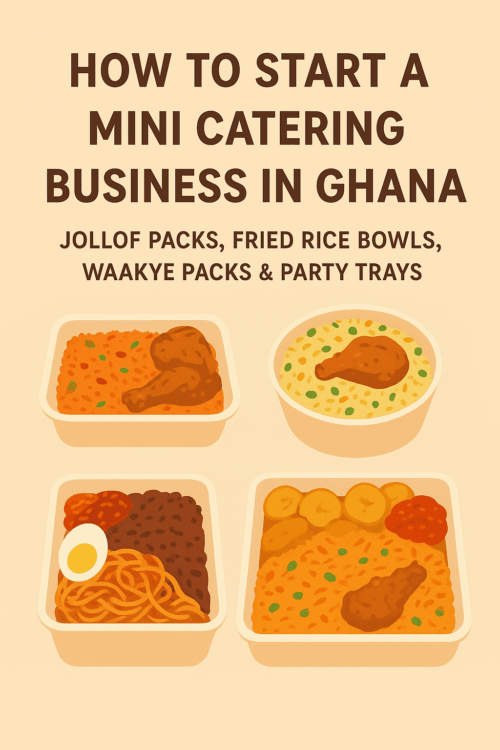
How to Start a Profitable Frozen Foods Supply Business in Ghana (Chicken, Sausages, Fish & Chips)







Starting a frozen foods supply business in Ghana is one of the most practical and profitable food ventures you can enter, especially during the December festive season. With Christmas and New Year celebrations, restaurants, caterers, small-chops vendors, event planners, and households all buy frozen foods in large quantities. Products like frozen chicken, sausages, fish, turkey, and chips sell fast because they are convenient, easy to store, and quick to prepare.
This business works well for both bulk supply (B2B) and direct-to-home sales (B2C), making it ideal for entrepreneurs who want quick turnover and repeat customers.
Overview of the Frozen Foods Market in Ghana
The frozen foods market in Ghana has grown rapidly due to urban lifestyles, busy work schedules, and the increasing number of food vendors and fast-food outlets. Many households now prefer frozen chicken, fish, and chips because they save time and reduce daily market stress. Restaurants, chop bars, and caterers also rely heavily on frozen foods for consistency and year-round availability.
Another advantage of this business is flexibility. You can start small from home with a single freezer or grow into a full wholesale frozen foods supply operation serving multiple vendors. With the right storage and sourcing, frozen foods remain sellable for long periods, reducing the risk of losses.
Why December Is Peak Season for Frozen Foods Demand in Ghana
December is the most profitable period for frozen foods in Ghana. During this season, food consumption increases significantly due to Christmas and New Year celebrations. Families host house parties, weddings, funerals, and church events, all of which require large quantities of food.
Small-chops vendors, grillers, caterers, and restaurants experience higher customer traffic and must stock up to meet demand. Many diaspora Ghanaians returning home for the holidays prefer quick-to-cook meals, making frozen chicken, fish, sausages, turkey, and chips very popular.
Prices of fresh food often rise in December due to high demand, so many households buy frozen foods early to avoid last-minute stress. For entrepreneurs, this creates an opportunity to buy stock ahead of time and sell at better margins during the festive rush.
Target Customers for a Frozen Foods Supply Business
Your customers will fall into two main groups: B2B (bulk buyers) and B2C (retail buyers).
Bulk buyers include restaurants, fast-food joints, chop bars, small-chops vendors, grillers, caterers, hotels, and event planners. These customers buy regularly and in large quantities, making them ideal for steady income.
Retail buyers include households, families, party hosts, and individuals preparing meals for Christmas and New Year celebrations. Although retail customers buy smaller quantities, they often pay higher prices per kilogram, which increases profit margins.
A successful frozen foods business in Ghana usually serves both groups.
Startup Cost Breakdown (GHS 2,000 – 7,000)
You can start a frozen foods business with a modest budget.
With GHS 2,000 – 3,500, you can buy a small chest freezer, limited stock of fast-moving products like chicken and fish, basic packaging materials, and cover transportation costs.
A mid-range setup of GHS 4,000 – 5,500 allows you to purchase a larger freezer, diversify your products, invest in power backup, and do basic branding.
If you have GHS 6,000 – 7,000, you can set up a more serious operation with multiple freezers, bulk purchases from wholesalers, delivery logistics, and stronger marketing. This setup positions you well for December demand and bulk supply contracts.
Equipment Needed to Start
The most important equipment is a chest freezer. Choose the size based on your budget and target market. A 200–300 litre freezer is suitable for small startups, while 400–500 litres works better for bulk supply.
Reliable power is critical. Power backup options include generators, inverters, or solar systems to prevent spoilage during outages. You will also need packaging materials such as nylon bags, labels, and possibly a vacuum sealer, as well as a weighing scale and thermometer to monitor freezer temperature.
High-Demand Frozen Food Products in Ghana
Some products sell faster than others. Frozen chicken is the top seller, especially wings, thighs, drumsticks, and whole chicken. Sausages, turkey parts, wings, and gizzard are also in high demand, particularly for grilling and small chops.
Frozen fish such as tilapia, salmon, mackerel, and herrings sell well in homes and restaurants. Frozen chips (French fries), kebabs, and marinated meats are popular with fast-food vendors and families hosting parties.
When starting, focus on a few fast-moving products before expanding.
Where to Source Quality Frozen Foods in Ghana
Quality sourcing is key to building trust. You can buy from local cold stores and wholesale frozen food markets in cities like Accra, Tema, Kumasi, and Takoradi. Many importers and large distributors sell in bulk at discounted prices.
Always inspect storage conditions, check expiry dates, and confirm consistency of supply, especially during December when shortages are common. Building relationships with reliable suppliers helps you secure stock even during peak demand.
Storage, Hygiene, and Food Safety Standards
Frozen foods must be stored at the right temperature to maintain quality. Avoid thawing and refreezing products, as this reduces shelf life and can cause health risks. Always handle products with clean hands or gloves and use clean packaging materials.
Label your products with names and dates, and keep your freezer clean and organized. Although small home-based sellers may not need full certification immediately, following basic food safety practices aligned with FDA Ghana guidelines helps build credibility and customer confidence.
Pricing Strategies for Retail and Bulk Buyers
Retail customers usually pay higher prices per kilogram, while bulk buyers expect discounts. For households and small orders, price for convenience and delivery. For restaurants and vendors, offer competitive wholesale pricing that encourages repeat purchases.
During December, prices from suppliers often increase. Stocking early helps protect your profit margins. You can also offer bundle deals, such as discounted prices for customers who buy multiple items.
Packaging and Branding for Resale
Simple branding goes a long way. Even basic transparent packaging with a label showing your business name, phone number, and product details makes your brand look professional. Good packaging builds trust, improves repeat sales, and helps customers recommend you to others.
For bulk buyers, packaging may be simpler, but for retail customers, neat and branded packs add value.
Marketing Strategies That Work in Ghana
WhatsApp is one of the most powerful tools for marketing frozen foods. Use status updates, broadcast lists, and customer referrals. Instagram also works well for posting product photos, cooking ideas, and festive promotions.
Offline marketing still matters. Distribute flyers in residential areas, partner with food vendors, and rely on word-of-mouth. December promotions and limited-time offers can significantly boost sales.
Delivery Options and Logistics Management
Delivery convenience can set you apart. You can deliver orders yourself within your area or use dispatch riders for small orders. For bulk deliveries, taxis or vans work well.
Plan delivery times carefully to prevent thawing, and decide whether delivery fees are included or charged separately. Reliable delivery builds trust and encourages repeat business.
Common Beginner Mistakes and How to Avoid Them
Many beginners buy too much stock without confirmed buyers, leading to cash flow problems. Others ignore power backup, resulting in spoilage during outages. Inconsistent pricing and poor hygiene also push customers away.
Start with fast-moving items, secure buyers early, plan for power outages, and maintain quality at all times.
How to Scale Into a Wholesale Frozen Foods Business After December
After the festive season, focus on retaining restaurants, caterers, and vendors as regular clients. Increase your freezer capacity, expand your product range, and formalize the business.
With consistency, you can grow into a trusted frozen chicken supplier in Ghana or a wholesale frozen foods distributor serving multiple businesses year-round.
Conclusion: Why Frozen Foods Is a Smart Business in Ghana
The frozen foods business in Ghana offers high demand, fast turnover, and strong growth potential. December provides the perfect entry point, but the business can run profitably throughout the year. With proper storage, smart sourcing, and effective marketing, you can start small and build a sustainable frozen foods supply business serving homes and businesses across Ghana.