The Rise of Young Entrepreneurs in Ghana (2026): How Gen Z is Changing the Game
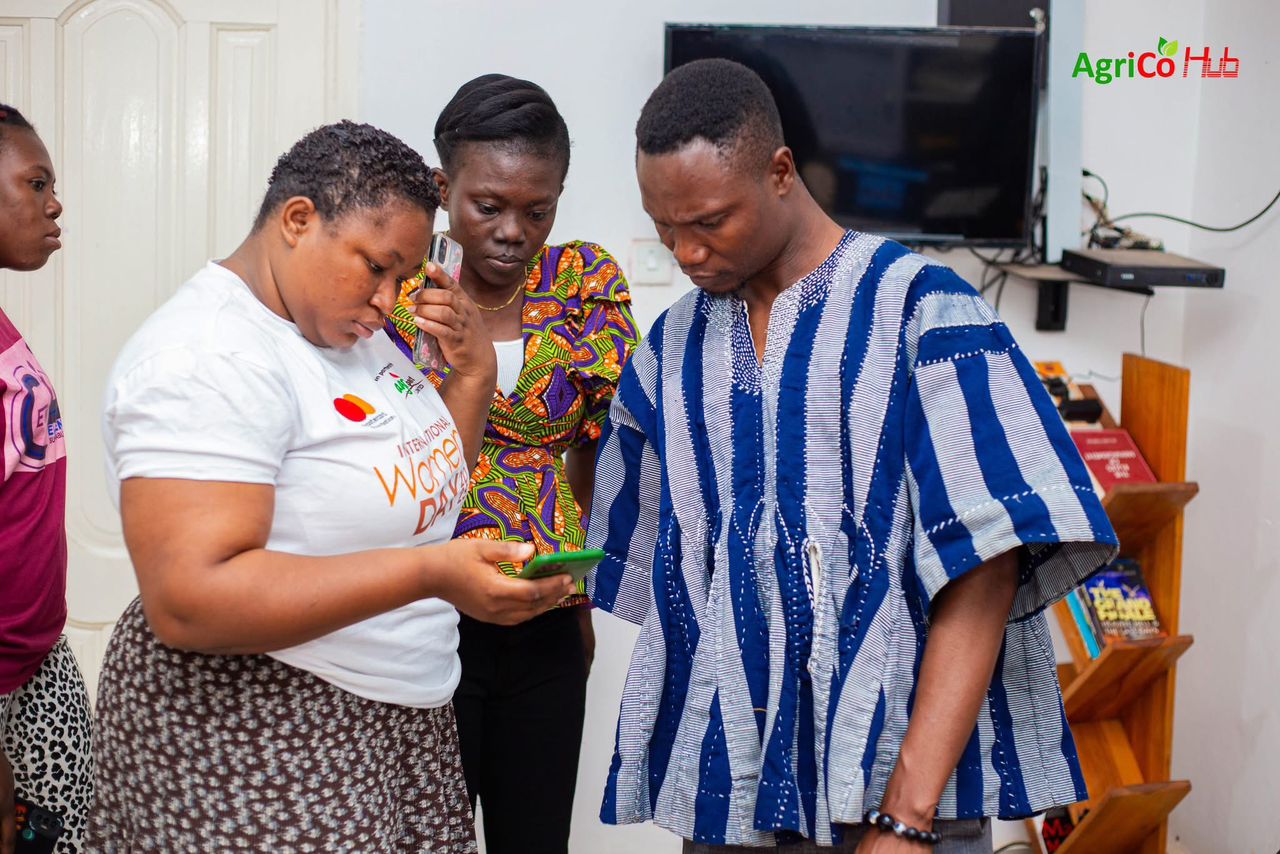












Ghana’s entrepreneurial landscape is experiencing a powerful shift—and at the center of it is Gen Z. In 2026, young people are no longer sitting back and waiting for white-collar jobs. Instead, they are taking bold steps to create their own opportunities, using creativity, technology, and resilience.
Across cities like Accra, Kumasi, and Takoradi, a new generation of entrepreneurs is emerging. From online vendors and content creators to tech innovators and freelancers, young Ghanaians are redefining what success looks like. This rise is not just a trend—it is a movement that is shaping the future of business in Ghana.
The Rise of Young Entrepreneurs in Ghana
The growth of youth entrepreneurship in Ghana has accelerated rapidly over the past few years. With unemployment rates rising and traditional job markets becoming more competitive, many young people have turned to entrepreneurship as a solution.
Today, it is common to find students, graduates, and even teenagers running their own businesses. These businesses may start small, but they are often driven by big ideas and a strong desire for financial independence.
Several factors are driving this rise:
- Increased access to smartphones and affordable internet
- Exposure to global business trends through social media
- A shift in mindset from job-seeking to job-creating
- The desire for financial freedom and flexibility
Young entrepreneurs are no longer limited by location or resources. With just a smartphone and determination, they can reach customers across Ghana and beyond.
How Gen Z is Changing the Entrepreneurial Landscape
Gen Z entrepreneurs are not just participating in business—they are transforming it. Their approach is different, modern, and highly adaptable to today’s fast-changing world.
A Digital-First Business Model
One of the biggest ways Gen Z is changing entrepreneurship in Ghana is through the use of digital platforms. Social media has become a powerful business tool.
Many young entrepreneurs:
- Sell products through WhatsApp status updates
- Market their services on Instagram and TikTok
- Communicate directly with customers via DMs
This digital-first approach reduces the need for physical shops and lowers startup costs significantly.
The Rise of Side Hustle Culture
For many young people in Ghana, entrepreneurship starts as a side hustle. Instead of relying on a single source of income, Gen Z is exploring multiple streams.
A typical young entrepreneur might:
- Run an online thrift store
- Offer freelance services like graphic design or video editing
- Sell food or small items within their community
This flexibility allows them to test ideas, learn quickly, and grow gradually without taking huge financial risks.
The Power of Personal Branding
Gen Z understands something previous generations often overlooked—the power of personal branding. They don’t just sell products; they sell stories, lifestyles, and authenticity.
By sharing their journey online, they:
- Build trust with their audience
- Attract loyal customers
- Stand out in competitive markets
In many cases, the personality behind the business becomes just as important as the product itself.
Opportunities and Challenges Facing Young Entrepreneurs in Ghana
Opportunities
The current environment offers several advantages for young entrepreneurs:
- Low startup barriers: Many businesses can be started with little or no capital
- Access to knowledge: Free resources on YouTube and online platforms make learning easier
- Growing digital economy: Increased online activity means more business opportunities
- Support networks: Entrepreneurial communities and mentorship programs are expanding
Challenges
Despite the growth, young entrepreneurs still face significant obstacles:
- Limited access to funding: Many struggle to secure capital to scale their businesses
- Lack of business skills: Not all entrepreneurs have training in finance or management
- High cost of internet and logistics: Data and delivery costs can affect profitability
- Inconsistent policies: Limited structured support from institutions
These challenges can slow growth, but they have not stopped the momentum of young entrepreneurs.
Conclusion
The rise of young entrepreneurs in Ghana is a clear sign that the future of the country lies in innovation, creativity, and self-reliance. Gen Z is leading a new wave of entrepreneurship—one that is digital, flexible, and driven by purpose.
Rather than waiting for opportunities, young Ghanaians are creating them. They are building businesses from the ground up, learning through experience, and inspiring others to do the same.
As this movement continues to grow, it will not only transform individual lives but also strengthen Ghana’s economy and position the country as a hub for youth-driven innovation in Africa.