Educational Media and Edutainment: The Future of Learning and Engagement
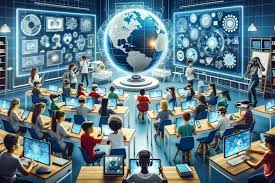












The digital revolution has given rise to educational media and edutainment platforms that combine learning with entertainment. These tools are not only transforming classrooms but also reshaping corporate training, personal skill development, and lifelong learning. With advancements in AI, VR, AR, and mobile technologies, education is more engaging, interactive, and accessible than ever before.
The Rise of Edutainment
Digital transformation of learning
Traditional teaching methods are being replaced by interactive learning platforms that offer flexibility and personalized experiences. Learners are drawn to formats that combine entertainment with knowledge, fostering curiosity and long-term engagement.
Entertainment and education convergence
The fusion of entertainment elements such as storytelling, gaming, and video content into education has created a new sector—the edutainment industry. It appeals to students, professionals, and hobbyists who prefer dynamic learning over static textbooks.
Educational Media Beyond Classrooms
Lifelong learning opportunities
YouTube learning channels, podcasts, and mobile apps allow individuals to learn on the go. Whether mastering coding, cooking, or communication skills, educational media provides access to diverse knowledge areas.
Global access and inclusion
Digital platforms are breaking barriers of geography and cost, offering affordable and scalable education to communities in emerging markets. Learners in rural and underserved areas now have access to high-quality training resources.
Entrepreneurship in Edutainment
Startups and business potential
The edutainment industry has become fertile ground for entrepreneurs. From gamified learning apps to corporate training solutions, startups are driving innovation and creating profitable, impactful business models.
Monetization strategies
Revenue streams include subscription models, licensing, ad-supported platforms, and premium training programs. Successful educational startups such as Duolingo and MasterClass showcase how to scale globally while offering high-quality learning.
Interactive and Gamified Learning
Gamified apps and engagement
Gamified learning apps use badges, challenges, and leaderboards to keep learners motivated. By tapping into the psychology of play, these platforms increase participation and improve retention rates.
Documentary-style learning
Educational content delivered in a documentary format enhances real-world context and storytelling. This approach is widely used in digital classrooms and corporate training programs to make complex topics engaging and relatable.
YouTube and Social Media
YouTube learning channels
YouTube has become one of the largest interactive learning platforms, with creators offering lessons in nearly every subject. These channels democratize education, making it available to anyone with internet access.
Social platforms for knowledge
From Instagram reels to TikTok micro-lessons, social media plays a critical role in spreading edutainment content. Short, impactful videos attract learners of all ages and backgrounds.
Applications of Edutainment
Schools and higher education
Educators integrate VR/AR technologies and gamified tools into curricula, making lessons immersive and collaborative. Universities also adopt digital platforms to enhance student engagement.
Corporate training and skill development
Businesses leverage corporate training solutions powered by AI and gamification to boost workforce skills. Employees benefit from adaptive learning systems that tailor content to their roles.
Personal growth and hobbies
Wellness apps, fitness platforms, and hobby-based edutainment channels cater to learners seeking personal growth. From language learning to music tutorials, educational media enhances individual lifestyles.
Benefits of Edutainment
Engagement and retention
Gamification and interactive storytelling maintain learner interest, ensuring knowledge is absorbed and retained. This makes edutainment more effective than traditional passive methods.
Accessibility and scalability
Mobile apps and streaming platforms enable low-cost, scalable learning models, allowing global audiences to benefit from high-quality education.
Employee development
Companies adopt interactive training platforms to onboard employees, build leadership, and reskill teams—improving performance and reducing turnover.
Technology in Educational Media
AI-powered learning platforms
Artificial intelligence customizes learning experiences by analyzing learner behavior and progress. These AI tools recommend content and adjust difficulty for maximum effectiveness.
VR and AR in education
Immersive simulations enable learners to explore environments beyond traditional classrooms. VR labs, AR-enhanced textbooks, and virtual tours make complex subjects more tangible.
Mobile apps and streaming platforms
With smartphones and OTT services, learning is now accessible anytime, anywhere. Mobile-first platforms dominate in emerging markets, ensuring inclusive education models.
Market Trends
Successful global startups
Duolingo, Khan Academy, and MasterClass have become leaders in the edutainment industry. Their success demonstrates the scalability of interactive learning platforms worldwide.
Emerging markets adoption
Countries in Africa, Asia, and Latin America are rapidly adopting mobile-first edutainment solutions to bridge education gaps. These tools empower students and professionals in underserved regions.
Future growth prospects
The future of edutainment lies in hybrid models combining AI, VR, AR, and mobile streaming. As technology advances, edutainment will dominate both personal learning and corporate training.
Conclusion
Why invest in educational media
Entrepreneurs and businesses have a unique opportunity to invest in edutainment platforms that drive both profit and social impact. The demand for accessible, engaging education is only set to grow.
The future of edutainment
As digital education trends 2025 continue to evolve, edutainment will remain a cornerstone of global learning. By merging education and entertainment, this industry ensures that learning is no longer a chore but an enjoyable, lifelong pursuit.