Cultural Preservation Through Handicrafts: Sustaining Heritage in a Modern World
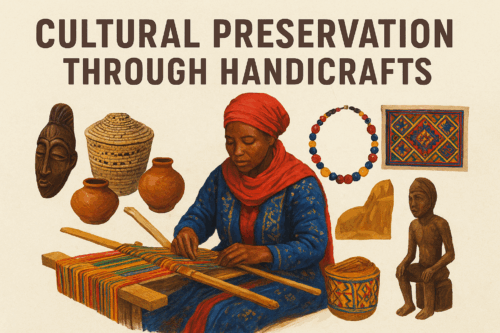









Handicrafts are more than objects of beauty—they are vessels of memory, culture, and identity. From kente weaving in Ghana to Japanese raku pottery, traditional crafts embody centuries of knowledge and creativity. In an era dominated by digital commerce and globalization, cultural preservation through handicrafts has become a vital way to safeguard heritage while empowering artisans economically.
The Role of Handicrafts in Cultural Heritage
Living Archives of Tradition
Every handmade product tells a story of its origin. Be it African woodcarving symbolizing spirituality or Native American beadwork expressing identity, handicrafts act as living archives. They preserve cultural heritage and pass it down to future generations through tangible art forms.
UNESCO and Global Recognition
International organizations like UNESCO’s Intangible Cultural Heritage program and the World Crafts Council play a crucial role in protecting traditional crafts. By recognizing handicrafts as part of humanity’s shared legacy, these initiatives ensure artisans gain global visibility and legitimacy.
Reviving Traditional Craft Practices
Weaving and Textiles (Kente, Ikat)
Textiles are among the most iconic heritage crafts. Kente weaving in Ghana symbolizes community, leadership, and spirituality, while ikat weaving in Indonesia reflects centuries of indigenous techniques. These textiles are cultural signatures, each design holding unique meanings.
Pottery and Ceramics (Raku, Native Traditions)
Japanese raku pottery blends simplicity with philosophy, while Native American clay pottery represents rituals, storytelling, and community. Pottery is both functional and symbolic, bridging daily life with heritage.
Woodwork and Carving (African Crafts)
From masks to furniture, African woodcarving reflects deep spiritual and ancestral values. Each carved piece is more than art—it is a dialogue with history and culture.
Beadwork and Jewelry (Native Beadwork)
Native American beadwork and African bead traditions communicate identity, heritage, and storytelling. Jewelry becomes a form of cultural branding, embedding history into wearable art.
Storytelling and Heritage Branding
Narratives for Authenticity and Value
In modern markets, stories add value. Buyers are not just purchasing products; they are investing in culture. Storytelling in handicraft businesses enhances authenticity and fosters emotional connections with global consumers seeking authentic handmade products.
Branding Rooted in Culture and History
Heritage branding highlights the cultural roots of crafts. Whether it is a heritage-based marketing campaign or community-driven storytelling, such branding strategies protect artisans from being overshadowed by mass-produced imitations.
Community-Based Craft Hubs
Training Younger Generations
One of the biggest challenges in revival of traditional handicrafts is passing skills to the youth. Community schools, workshops, and apprenticeship programs ensure artisan skill transfer while keeping traditions alive.
Artisan Cooperatives and Guilds
Community craft hubs and artisan cooperatives empower local creators by pooling resources, protecting cultural rights, and offering collective bargaining power. They also promote sustainable entrepreneurship through shared heritage.
You can also read on: https://baobabentrepreneur.com/digital-marketplaces-for-artisans-unlocking-global-opportunities-for-handmade-products/#google_vignette
Global Demand for Authentic Handicrafts
Cultural Tourism and Global Buyers
The growing cultural tourism industry fuels demand for cultural heritage crafts. Tourists and global buyers seek products with meaning, heritage, and sustainability, giving artisans new opportunities.
Etsy and Artisan E-Commerce
Platforms like Etsy, Amazon Handmade, and Shopify connect local artisans to international markets. These online artisan shops promote transparency, enabling buyers to support cultural preservation directly.
Challenges in Modern Markets
Balancing Tradition with Innovation
Artisans face pressure to adapt designs for modern markets without losing cultural authenticity. Finding this balance is crucial for survival and growth.
Cultural Appropriation and Exploitation
Global demand can sometimes lead to exploitation or cultural appropriation. Without fair trade certifications or strong heritage branding, artisans risk losing ownership of their cultural knowledge.
Future Opportunities with Digital Tools
Social Media and Storytelling Platforms
Instagram, TikTok, and Pinterest enable artisans to share the cultural narratives behind their crafts. These platforms allow artisans to build global communities while showcasing authenticity.
AR/VR Learning and Immersive Experiences
Emerging technologies like AR/VR shopping apps allow buyers to virtually experience craft-making. Immersive storytelling deepens consumer appreciation and strengthens cultural preservation.
Blockchain for Authenticity Verification
Blockchain technology can be used to verify the origin and authenticity of cultural crafts, preventing counterfeiting and ensuring artisans receive fair recognition for their work.
Cultural Preservation as Economic Empowerment
Handicrafts are not only cultural expressions—they are also engines of local economic growth. In many communities, especially in Africa, Asia, and Latin America, artisans rely on handicrafts as their primary source of income. When these crafts are marketed globally, they uplift entire communities by creating jobs, reducing poverty, and empowering marginalized groups, especially women.
For example, Fair Trade International reports that artisan cooperatives led by women have significantly improved household incomes while ensuring that cultural practices remain strong. By combining handicraft heritage entrepreneurship with sustainable practices, artisans are proving that culture and commerce can thrive together.
Handicrafts and Cultural Tourism
Tourism and handicrafts share a natural connection. Visitors are often drawn to souvenirs that carry meaning and history, not just decoration. Buying authentic handmade products allows tourists to take a piece of culture home while supporting local economies.
- In Ghana, kente weaving demonstrations attract cultural tourists who want to experience traditional weaving firsthand.
- In Mexico, markets filled with pottery and embroidered textiles are central to the tourist economy.
- In Japan, workshops on raku pottery invite travelers to participate in centuries-old practices.
Cultural tourism ensures that handicrafts remain relevant, helping artisans adapt without losing authenticity.
The Environmental and Sustainable Value of Handicrafts
In a world increasingly concerned with sustainability, handicrafts hold a unique appeal. Unlike mass-produced goods, most traditional crafts rely on natural, locally sourced materials—wood, clay, fibers, and dyes.
- African basket weaving uses grasses and palm fronds.
- Indian block printing employs natural vegetable dyes.
- Indigenous pottery traditions often use clay sourced from local rivers.
This makes handicrafts not only culturally significant but also eco-friendly alternatives in global markets. The alignment between sustainability and culture positions handicrafts at the heart of ethical consumerism trends.
Youth and the Revival of Handicrafts
One of the greatest threats to cultural heritage crafts is the generational gap. Younger people often migrate to cities, seeking modern jobs, leaving traditional crafts behind. However, there is a growing revival movement where youth are rediscovering and rebranding heritage crafts for modern markets.
- Young designers in Kenya are merging traditional beadwork with modern fashion.
- Startups in India are reviving handloom weaving with contemporary designs for international buyers.
- Creative collectives in South America use Instagram to showcase indigenous textiles in global fashion markets.
This new wave ensures that traditions are not only preserved but also reinvented for the 21st century.
Policy and Institutional Support for Handicrafts
Governments, NGOs, and global organizations play a key role in sustaining handicrafts. Programs such as:
- UNESCO’s Intangible Cultural Heritage list which safeguards traditions.
- World Crafts Council initiatives to support global craft fairs.
- National cultural policies that provide grants, export support, and training.
These programs create the infrastructure artisans need to thrive. Stronger policy frameworks can help protect artisans from exploitation while giving them a platform to compete globally.
A Future Rooted in Heritage
Handicrafts embody the soul of culture. They carry the wisdom of ancestors, the skills of communities, and the creativity of generations. Today, as the world becomes increasingly digital, handicrafts remind us of the human touch, authenticity, and connection to tradition that cannot be replicated by machines.
By investing in cultural preservation through handicrafts, societies ensure that traditions are not lost but instead evolve to remain relevant. From weaving and pottery to beadwork and woodcarving, each craft tells a story worth preserving.
The future is promising—digital tools, heritage branding, and global platforms are unlocking opportunities artisans could only dream of decades ago. The key lies in striking a balance: protecting authenticity while embracing innovation. In doing so, handicrafts will remain timeless, continuing to inspire and connect generations across cultures and continents.
Digital Storytelling as a Tool for Preservation
The digital revolution has transformed how artisans connect with buyers and communities. Through social media platforms like Instagram, TikTok, and Pinterest, artisans are not only selling their products but also sharing the cultural stories behind them.
- Instagram reels show weaving, carving, or beadwork processes in real time.
- TikTok videos bring visibility to young artisans reviving their grandparents’ skills.
- Pinterest boards curate cultural inspirations, helping heritage crafts reach global design enthusiasts.
This fusion of tradition and technology ensures that ancient skills are visible to a global audience, inspiring new appreciation and demand.
Education and Knowledge Sharing in Craft Preservation
Beyond commerce, handicrafts serve as an educational medium. Schools, universities, and museums are incorporating traditional crafts into their curricula and exhibitions to ensure cultural knowledge endures.
- Craft workshops allow younger generations to experience hands-on learning.
- University collaborations document traditional methods while promoting innovative design thinking.
- Museums showcase handicrafts not just as artifacts but as living traditions still relevant today.
Educational programs like these keep artisan skill transfer alive, ensuring that heritage is passed on, not forgotten.
The Role of Technology in Scaling Cultural Handicrafts
Technology is redefining how artisans engage with markets and preserve authenticity.
- E-commerce platforms like Etsy and Shopify open global opportunities for selling authentic handmade products.
- Blockchain technology verifies authenticity, preventing counterfeit cultural items from flooding the market.
- AR/VR applications allow buyers to experience cultural crafts virtually, creating immersive journeys before purchase.
- AI-driven personalization connects buyers with crafts that resonate with their interests and cultural appreciation.
These innovations bridge tradition and modernity, ensuring cultural handicrafts remain competitive in the global economy.
The Social Impact of Preserving Handicrafts
Handicrafts are more than cultural symbols—they are social lifelines for many communities. Their preservation has ripple effects:
- Empowering women artisans who are often the custodians of craft traditions.
- Creating jobs in rural areas, reducing urban migration pressures.
- Strengthening community identity, giving pride and belonging to artisans.
- Promoting fair trade, ensuring artisans earn what their heritage truly deserves.
By protecting handicrafts, societies invest not only in culture but also in inclusive economic development.
Global Examples of Successful Heritage Craft Preservation
- Kente Weaving in Ghana – Revived through both tourism and export markets, kente continues to symbolize African identity while adapting to global fashion.
- Ikat Textiles in Indonesia – Protected under UNESCO Intangible Heritage, these textiles now attract both collectors and modern designers.
- Native American Beadwork – Sustained through cultural cooperatives and festivals, beadwork remains both a cultural practice and a marketable art form.
- Japanese Raku Pottery – Combining centuries-old practices with modern ceramic art education, it thrives as a craft and cultural experience.
- African Woodcarving – Sold through fair trade organizations and global exhibitions, it continues to inspire both spiritual and artistic appreciation.
Each example demonstrates how revival of traditional handicrafts can be achieved through the right mix of cultural pride, innovation, and global outreach.
Handicrafts as Cultural Bridges
Handicrafts are living threads that connect past generations to the future. They are expressions of identity, memory, and artistry that cannot be replicated by machines. In the modern world, where mass production dominates, handicrafts remind us of the authentic, the handmade, and the meaningful.
To preserve them, we must invest in storytelling, empower artisans, leverage technology, and support fair trade systems. When tradition meets innovation, handicrafts are not only preserved but reborn as engines of culture, sustainability, and economic opportunity.
Ultimately, cultural preservation through handicrafts is not just about saving traditions—it’s about celebrating human creativity and ensuring that the voices of artisans continue to echo through time.
Challenges Facing Traditional Handicrafts
Despite their beauty and heritage value, handicrafts face several challenges in today’s globalized markets:
Decline in Artisan Populations
Many artisans are aging, and younger generations often seek modern careers that offer more financial security. Without artisan skill transfer, knowledge risks disappearing.
Competition from Mass Production
Factories can replicate designs cheaply, flooding markets with imitations that undercut authentic handmade products. This devalues traditional craftwork.
Limited Market Access
Rural artisans may lack digital literacy, e-commerce infrastructure, or access to fair trade channels, restricting their ability to reach international buyers.
Balancing Tradition with Innovation
Some crafts risk losing cultural authenticity when adapted for modern consumer preferences, creating tension between heritage and profitability.
Policy and Institutional Support for Handicraft Preservation
Governments, NGOs, and international organizations are increasingly recognizing handicrafts as critical to cultural heritage and sustainable development.
- UNESCO Intangible Cultural Heritage Lists safeguard traditional skills like weaving, pottery, and carving.
- World Crafts Council promotes global collaboration and showcases artisans through fairs and exhibitions.
- Fair Trade International ensures artisans receive fair compensation while preserving authenticity.
- Local artisan guilds and cooperatives create community resilience, protecting craft traditions from extinction.
Policy interventions can include tax incentives, export support, tourism partnerships, and education funding, all of which empower artisan communities.
Future Outlook: Handicrafts in the Modern World
The future of cultural heritage crafts depends on strategic revival efforts that combine tradition with innovation.
- Sustainable Materials – Eco-friendly sourcing aligns handicrafts with global green trends.
- Tourism Integration – Cultural tourism promotes experiential learning where visitors engage directly in craft-making.
- Youth Engagement – By branding crafts as symbols of identity and pride, more young people can be encouraged to continue family traditions.
- Digital Expansion – Platforms like Etsy, Instagram Shops, and cultural e-commerce hubs connect artisans with millions of buyers.
- Collaborations with Designers – Partnerships with global fashion and interior designers bring cultural crafts into mainstream modern aesthetics.
By embracing these opportunities, handicrafts can remain relevant, profitable, and culturally significant in the decades to come.
Key Takeaway
Handicrafts are not relics of the past—they are gateways to cultural pride, community resilience, and global appreciation. Preserving them ensures that future generations inherit not only the techniques of weaving, pottery, beadwork, and carving, but also the values and stories that define cultural identity.
Through storytelling in handicraft businesses, community craft hubs, and heritage branding, the world can continue to experience the richness of authentic handmade products.
The revival of traditional handicrafts is not just about saving culture—it is about building sustainable futures, empowering artisans, and reminding us of our shared humanity.
Conclusion
Handicrafts stand at the crossroads of culture and commerce. They preserve traditions, foster identity, and create sustainable livelihoods. With the rise of heritage branding, artisan cooperatives, and digital platforms, artisans are finding innovative ways to safeguard their heritage while thriving in global markets.
The future of cultural preservation through handicrafts lies in blending tradition with innovation. By leveraging digital tools while honoring ancestral knowledge, handicrafts will continue to serve as cultural bridges—connecting past, present, and future.