





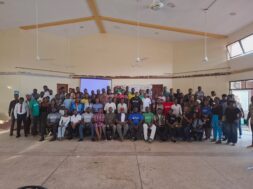




GDIW’s Lasting Impact
Three years ago at the Ghana Digital Innovation Week (GDIW), leaders, entrepreneurs, and policymakers gathered to discuss how collaboration could drive the future of Africa’s economy. Among the voices was Mr. Emmanuel Mumuni, who emphasized that collaboration among policymakers, stakeholders, and even countries has played a crucial role in shaping entrepreneurship and business ecosystems.
Today, his words remain even more relevant. As Ghana positions itself as a hub for innovation and entrepreneurship in Africa, collaboration is proving to be the catalyst for growth, opportunity, and sustainable business development.
The Power of Collaboration
Mr. Mumuni highlighted that collaboration is not just a policy objective—it is a growth strategy. When governments, private sector players, investors, and entrepreneurs come together, the result is a stronger ecosystem that opens doors to funding, innovation, and cross-border trade.
- Regional Opportunities: Collaborative networks help Ghanaian startups expand into other African markets.
- Investor Confidence: Partnerships between policymakers and businesses create transparent systems that attract global investors.
- Innovation Ecosystems: Collaboration among universities, incubators, and entrepreneurs fuels research and talent development.
This multi-layered approach has become the backbone of Ghana’s entrepreneurship success story.
Entrepreneurship in Ghana
Opportunities and Challenges
Ghana is rapidly becoming a hotbed of entrepreneurship in Africa. The country offers a young population, a growing digital economy, and increasing access to technology. Yet, entrepreneurs face challenges such as limited access to funding, complex regulatory frameworks, and difficulties in scaling businesses beyond local markets.
Growth sectors such as technology, agribusiness, creative industries, and digital trade are positioning Ghana as a leader in Africa’s entrepreneurial rise.
How to Start a Business in Ghana
Starting a business in Ghana involves several steps, from business registration at the Registrar General’s Department to compliance with tax regulations and sector-specific licenses. Entrepreneurs also need to connect with support systems such as incubators, accelerators, and angel investors.
Most importantly, collaboration with networks like Baobab Entrepreneur and other advisory platforms helps startups gain mentorship, access funding, and build lasting partnerships.
Business Growth Strategy in Africa
Africa’s markets are deeply interconnected. For Ghanaian businesses, growth is increasingly tied to collaboration across borders.
- Scaling through Partnerships: Joint ventures and alliances give startups the ability to expand beyond Ghana.
- Digital Transformation: Tech integration allows small businesses to operate efficiently and compete globally.
- Cross-Border Trade: Ghana’s role in the African Continental Free Trade Area (AfCFTA) gives entrepreneurs access to a single market of over 1.4 billion people.
These strategies ensure that businesses not only grow but also remain resilient in competitive markets.
Entrepreneurship Success Stories
Ghana is home to inspiring success stories—from fintech startups revolutionizing mobile payments to agritech solutions boosting food security. Many of these entrepreneurs thrived because of their ability to collaborate with investors, policymakers, and industry experts.
By documenting and sharing these journeys, Baobab Entrepreneur plays a vital role in amplifying the successes of Ghana’s business community while inspiring the next generation of African entrepreneurs.
Africa’s Business Opportunity
Beyond Borders
Africa’s growth story is no longer limited to individual countries. Entrepreneurs are leveraging regional collaboration, digital platforms, and global investment opportunities to build scalable businesses.
- International Investment: More global investors are recognizing Africa as the next frontier for growth.
- Digital Economy: From e-commerce to fintech, Africa’s digital economy is unlocking billion-dollar opportunities.
- Trade Integration: Initiatives like AfCFTA provide fertile ground for Africa-wide expansion.
Collaboration is at the heart of this transformation. By working together, African entrepreneurs are seizing opportunities that go beyond borders.
Yu can also read on: https://baobabentrepreneur.com/technology-integration-and-digital-transformation-consulting/
The Role of Policy in Entrepreneurship Growth
Policy decisions play a pivotal role in shaping how startups and entrepreneurs operate in Ghana and Africa at large. Mr. Emmanuel Mumuni emphasized that progressive policy frameworks combined with collaboration create the right environment for entrepreneurs to thrive.
- Ease of Doing Business: Streamlined registration processes and reduced bureaucracy help startups launch faster.
- Access to Finance: Policies supporting venture capital and angel investing improve funding opportunities.
- Digital Inclusion: Expanding internet access and affordable mobile solutions enable more entrepreneurs to participate in the digital economy.
By aligning policy, private sector innovation, and global collaboration, Ghana can position itself as the go-to hub for entrepreneurship in West Africa.
Building Entrepreneurial Mindsets
Entrepreneurship is not just about resources—it’s also about mindset. Successful entrepreneurs in Ghana and Africa share common traits: resilience, innovation, and adaptability.
- Resilience: Navigating limited infrastructure and competitive markets requires persistence.
- Innovation: From mobile money to agritech, African entrepreneurs often solve problems through creative, tech-driven solutions.
- Adaptability: Entrepreneurs must adjust quickly to shifts in consumer behavior, regulations, and global economic changes.
Collaborative learning platforms, mentorship, and entrepreneurship training programs are essential in developing these mindsets.
The Importance of Networks and Ecosystems
No entrepreneur grows in isolation. Strong networks and ecosystems are the backbone of entrepreneurship success stories.
- Incubators and Accelerators: Platforms like Meltwater Entrepreneurial School of Technology (MEST) and Baobab Entrepreneur provide mentorship and resources.
- Investor Networks: Angel groups and venture capital firms create funding pipelines.
- Peer Collaboration: Entrepreneurs gain knowledge, referrals, and support from one another.
Ecosystems built on collaboration have already produced some of Ghana’s biggest entrepreneurial success stories, proving that when founders connect, they grow faster.
Don’t miss this year’s exhibition: https://lnkd.in/d93RhVuy
You can see source from: https://www.linkedin.com/posts/thegdiw_exhibit-at-ghana-digital-innovation-week-activity-7370728967441498112-RkfB?utm_source=share&utm_medium=member_desktop&rcm=ACoAAFm4MQwB1-_VwoUCm2zHF_yxw6OuJ-P3_zQ
Why Ghana is a Gateway to Africa
Ghana is increasingly being recognized as a gateway for business expansion across Africa.
- Strategic Location: Positioned in West Africa with access to large consumer markets.
- Stable Democracy: A strong democratic system fosters trust and political stability for business growth.
- AfCFTA Secretariat Headquarters: Ghana hosts the African Continental Free Trade Area Secretariat, giving it a central role in Africa’s future trade landscape.
This makes Ghana not just an exciting place for local entrepreneurs but also for international investors seeking to scale across Africa.
The Future of Entrepreneurship in Africa
The next decade will be defined by bold entrepreneurs who can leverage collaboration, digital transformation, and cross-border opportunities.
- Tech-driven Startups: AI, fintech, and blockchain will continue to shape new businesses.
- Sustainable Ventures: Entrepreneurs focused on green energy and eco-conscious models will gain investor trust.
- Global Competitiveness: African entrepreneurs will increasingly build products and services that compete on a global scale.
The future belongs to those who embrace collaboration, innovation, and global thinking—principles that Mr. Mumuni highlighted at GDIW.
Final Thoughts
The Ghana Digital Innovation Week from three years ago proved to be more than an event—it was a movement. Voices like Mr. Emmanuel Mumuni’s remind us that collaboration is not optional; it is essential for entrepreneurship in Ghana and across Africa.
At Baobab Entrepreneur, we remain committed to telling these stories, amplifying entrepreneurial voices, and guiding founders on their journey to success. With collaboration, Ghana’s entrepreneurs will not just grow businesses—they will build Africa’s future economy.
Conclusion: A Call to Action
Mr. Emmanuel Mumuni’s insights at GDIW continue to shape the narrative of entrepreneurship in Ghana and Africa. His emphasis on collaboration reflects the reality that no entrepreneur succeeds alone. Policymakers, investors, and founders must work hand in hand to build resilient, innovative, and globally competitive businesses.
At Baobab Entrepreneur, our mission is to highlight these stories and provide entrepreneurs with the knowledge and support they need to thrive. Ghana’s entrepreneurship ecosystem is vibrant, Africa’s opportunities are vast, and collaboration remains the key to unlocking them all.