NFTs and Digital Creativity








The Rise of Digital Creativity
The digital age has transformed the way artists, musicians, and innovators showcase and monetize their work. At the center of this transformation is the rise of Non-Fungible Tokens (NFTs). NFTs have created a brand-new ecosystem where creators can sell their work directly to global audiences without middlemen. Even more exciting, starting as an NFT creator often requires little to no upfront budget, making it accessible to anyone with digital creativity.
From digital art and photography to music and collectibles, NFTs are reshaping how value is assigned to creative works online. What started as a niche blockchain experiment has now evolved into a billion-dollar industry that empowers small creators and global pioneers alike.
What Are NFTs and How Do They Work?
Blockchain and Ownership Explained
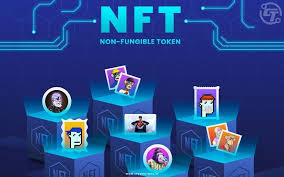
NFTs, or Non-Fungible Tokens, are unique digital assets stored on a blockchain. Unlike cryptocurrencies such as Bitcoin or Ethereum, which are interchangeable, NFTs are one-of-a-kind tokens that prove ownership of a specific piece of digital content.
This technology allows creators to sell digital items—such as art, music, videos, or even memes—while ensuring buyers can prove authenticity and ownership.
NFTs vs. Traditional Digital Files
Traditional digital files can be endlessly copied, making it difficult to establish ownership or scarcity. NFTs solve this by attaching a unique code to each asset, ensuring there is only one original—or a limited edition—that can be verified on the blockchain. This scarcity and transparency is what gives NFTs value in the creative economy.
Types of Creative NFTs
Digital Art & Illustrations
Artists worldwide are embracing NFTs as a way to bypass galleries and sell directly to collectors. Digital art can now be monetized without losing its authenticity.
Photography Collections
Photographers are minting limited-edition photo NFTs that allow collectors to own exclusive versions of their work. These can range from portraits to landscape series.
Music and Soundtracks
Musicians have found NFTs to be a revolutionary tool. From selling albums as NFTs to offering exclusive concert access, artists can engage directly with fans while retaining more profits.
Collectibles, Memes & GIFs
From viral memes to animated GIFs, NFTs have also tapped into internet culture. These lighthearted yet valuable assets show that NFTs go beyond traditional “serious” art.
Free or Low-Cost NFT Minting Options
Lazy Minting and Gas-Free Transactions
One of the biggest challenges for beginners is the cost of “minting” (creating) NFTs. Traditional minting on Ethereum can be expensive, but lazy minting allows creators to upload their work without paying upfront fees. The buyer pays the blockchain cost when the NFT is purchased.
Best Platforms for Free Minting
- OpenSea (Polygon integration): Offers free minting for beginners.
- Rarible (lazy minting): Allows artists to list NFTs without upfront costs.
- Mintable (gasless minting): Perfect for entry-level creators.
These platforms make NFT creation accessible and budget-friendly.
Best Platforms to Sell NFTs
Top Marketplaces for Creators
- OpenSea: The largest NFT marketplace with millions of users.
- Rarible: A community-focused marketplace that supports creators.
- Mintable: Beginner-friendly platform with free minting options.
- Zora: A decentralized marketplace known for supporting experimental art.
Comparing Features and Communities
Each platform has its own community, fees, and blockchain support. Creators should choose based on their niche: OpenSea for wide exposure, Rarible for community support, or Zora for innovative projects.
Marketing Your NFTs on a Budget
Leveraging Social Media (Twitter, Discord, Instagram)
NFT success relies heavily on marketing. Platforms like Twitter (X) and Discord are the heart of NFT communities. Artists share sneak peeks, collaborate, and engage directly with potential collectors. Instagram helps visually showcase collections.
Building Communities Around Creativity
Community building is crucial. A loyal following can generate recurring buyers and long-term supporters. Hosting live streams, AMA sessions, and giveaways can help foster engagement.
Collaborating with Influencers & Artists
Joint NFT drops or influencer collaborations can expand reach. Teaming up with other artists also increases visibility in niche communities.
Monetization Beyond NFT Sales
Royalties from Secondary Sales
NFTs allow creators to earn royalties every time their work is resold. This means an artist continues earning long after the first sale, a feature traditional art markets rarely offer.
Licensing Art and Music
Creators can license their NFTs for use in video games, advertising, or digital branding, opening new revenue streams.
NFT Collections with Real-World Perks
Many creators tie NFTs to exclusive perks such as event access, merchandise, or VIP memberships. This creates a hybrid experience between digital and real-world ownership.
You can also read on: https://baobabentrepreneur.com/street-community-performances-turning-local-talent-into-global-opportunities/
Success Stories of Creators
From Free Minting to Global Recognition
Many artists have started with free minting platforms and grown into global figures. For example, emerging creators on Polygon and Rarible have turned small experiments into full-time businesses.
Beeple, Pak, and Emerging NFT Artists
Beeple, whose “Everydays” collection sold for $69 million, proved the potential of digital art. Pak and countless smaller creators continue to inspire by showing that NFTs are not limited to big names—anyone can build success with creativity and consistency.
The Future of NFTs and Digital Creativity
The conversation around NFTs is still in its early stages. While the hype of 2021 brought mainstream attention, the true potential of NFTs is evolving. Beyond speculative art sales, NFTs are gradually integrating into industries such as gaming, fashion, education, and entertainment.
- Gaming and Virtual Worlds: Players can own skins, characters, or in-game items as NFTs, which can be traded or sold across platforms.
- Fashion: Luxury brands are experimenting with digital clothing NFTs and exclusive online collectibles.
- Education: Online educators are exploring NFT-based certificates, allowing students to own proof of achievement in a secure digital form.
- Entertainment: Filmmakers, writers, and performers are creating NFT-backed projects where fans can own pieces of scripts, songs, or even behind-the-scenes content.
This growing integration shows that NFTs are more than a passing trend—they are becoming part of the broader digital economy.
Challenges in the NFT Space
Like every new industry, NFTs face challenges that creators and collectors must navigate carefully.
Market Volatility
The value of NFTs can fluctuate dramatically, influenced by hype cycles, investor trends, and community engagement. Creators should focus on building long-term value rather than chasing quick profits.
Environmental Concerns
Ethereum’s energy use once raised concerns about the carbon footprint of NFT transactions. However, the Ethereum Merge and eco-friendly blockchains like Polygon, Solana, and Tezos have significantly reduced these issues, making NFTs more sustainable.
Scams and Copyright Issues
The open nature of NFT platforms means anyone can upload content. This sometimes leads to cases of stolen art being sold without permission. Creators must protect their intellectual property and buyers should always verify authenticity.
Tips for Beginners in NFT Creation
If you are just starting your journey, here are some practical steps to begin with confidence:
- Define Your Niche: Decide whether you want to focus on digital art, photography, music, or collectibles.
- Choose the Right Blockchain: Start with beginner-friendly, low-cost platforms like Polygon or Tezos.
- Pick a Marketplace: OpenSea and Rarible are excellent entry points, but explore smaller marketplaces for niche communities.
- Experiment with Free Minting: Begin with lazy minting to avoid upfront costs.
- Engage in Communities: Join Twitter Spaces, Discord NFT groups, and Instagram communities to connect with other creators.
- Offer Value Beyond Art: Think about adding utility—exclusive content, access to events, or collaborations with other creators.
- Stay Consistent: Just like any creative business, consistency is key to building recognition and trust.
Why NFTs Matter for Digital Creators
For decades, creators struggled with limited control over how their work was distributed and monetized. Traditional gatekeepers such as record labels, galleries, or publishers often took the largest share of profits. NFTs change this dynamic by placing power back in the hands of creators.
- Artists keep more earnings.
- Creators can set their own royalty percentages.
- Global audiences are accessible 24/7 without intermediaries.
NFTs provide both financial freedom and creative independence, two things that digital creators have long sought in the online space.
Final Thoughts
NFTs are not just about digital collectibles—they are about redefining creativity and ownership in the online world. Whether you are an artist, musician, photographer, or innovator, NFTs open a door to new opportunities where your work is valued, protected, and directly connected to global audiences.
With free tools, affordable platforms, and communities ready to engage, the NFT space is more accessible than ever. For creators willing to experiment and learn, NFTs can be the foundation of a thriving digital business in 2025 and beyond.
Conclusion
NFTs represent a new era of digital creativity where artists, musicians, and innovators can monetize their work without barriers. With free minting options, global marketplaces, and royalty-based income, creators now have more control than ever over their art and earnings.
As the world continues to embrace Web3 and blockchain technologies, NFTs will remain a powerful tool for empowering creators and shaping the future of the digital economy.