Poultry Farming in Ghana: A Profitable Business Opportunity for Broilers and Egg Production (Complete Guide)
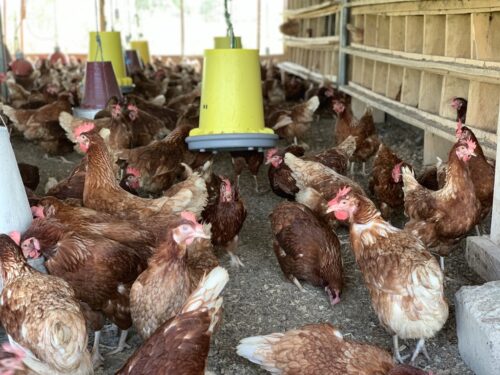








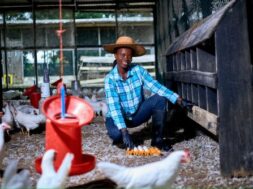


Poultry farming has become one of the fastest-growing and most profitable agribusiness sectors in Ghana. As the country’s population continues to increase, so does the demand for affordable sources of protein, particularly chicken and eggs. From households and restaurants to hotels, supermarkets, schools, hospitals, and food processing companies, poultry products are consumed every day, creating a steady and expanding market for farmers.
Despite this growing demand, Ghana still relies heavily on imported frozen chicken to satisfy local consumption. This presents a significant opportunity for entrepreneurs and investors to bridge the supply gap by producing high-quality poultry locally. With the right knowledge, proper management, and a well-planned business strategy, poultry farming can generate attractive returns while contributing to food security, job creation, and national economic growth.
Whether you are a young entrepreneur looking to start your first agribusiness, an investor exploring opportunities in agriculture, a student researching poultry production, or an existing farmer seeking to expand your operations, poultry farming offers numerous pathways to success. Compared to many other livestock enterprises, poultry requires relatively lower startup capital, has shorter production cycles, and provides multiple sources of income through meat, eggs, manure, and value-added products.
This comprehensive guide explains everything you need to know about starting and managing a profitable poultry farming business in Ghana. You’ll learn about the different types of poultry farming, housing systems, startup requirements, feeding and health management, estimated costs, marketing strategies, common challenges, and practical tips to help you build a sustainable and successful poultry enterprise.
What is Poultry Farming?
Poultry farming is the practice of raising domesticated birds for commercial or household purposes. These birds are primarily reared for meat, eggs, breeding stock, or other by-products such as feathers and organic manure. In Ghana, chickens account for the largest share of the poultry industry, although some farmers also raise turkeys, ducks, guinea fowls, quails, and geese.
Modern poultry farming combines good housing, proper nutrition, effective disease prevention, and sound business management to maximize productivity and profitability. Successful poultry farmers focus not only on raising healthy birds but also on controlling production costs, maintaining biosecurity, and developing reliable markets for their products.
As Ghana continues to promote agricultural transformation and local food production, poultry farming has become an important contributor to rural development, employment, and household income.
Importance of Poultry Farming in Ghana
Poultry farming plays a vital role in Ghana’s agricultural economy. It provides nutritious food, creates employment opportunities, supports thousands of smallholder farmers, and contributes to the country’s efforts to reduce dependence on imported poultry products.
Some of the major contributions of poultry farming include:
- Producing affordable animal protein through chicken meat and eggs.
- Creating employment across the poultry value chain, including hatcheries, feed production, transportation, veterinary services, processing, and retail.
- Supporting youth entrepreneurship by offering a scalable agribusiness opportunity.
- Generating organic manure for crop production and sustainable farming.
- Reducing foreign exchange spent on imported poultry products.
- Improving household incomes and strengthening food security.
As consumer demand continues to rise, poultry farming is expected to remain one of Ghana’s most promising agricultural industries.
Understanding the Poultry Value Chain
The poultry industry extends beyond raising birds. It is supported by a complete value chain that creates opportunities for businesses of all sizes.
Hatcheries: Produce quality day-old chicks for commercial farmers.
Feed Manufacturers: Supply balanced poultry feed that supports healthy growth and egg production.
Poultry Farmers: Raise broilers, layers, cockerels, and indigenous chickens.
Veterinary Services: Provide vaccination, disease diagnosis, and flock health management.
Processors: Slaughter, dress, package, freeze, and distribute poultry products.
Wholesalers and Retailers: Supply chicken and eggs to consumers through markets, supermarkets, restaurants, and hotels.
Understanding this value chain allows entrepreneurs to identify additional business opportunities beyond poultry production itself.
Types of Poultry Farming in Ghana
Choosing the right poultry enterprise is one of the most important decisions when starting your business. Each production system has different capital requirements, management practices, production cycles, and profit potential.
Broiler Farming
Broiler farming focuses on raising chickens specifically for meat production. Broilers grow rapidly and, under proper management, are usually ready for sale within six to eight weeks.
Advantages of broiler farming include:
- Short production cycle
- Quick return on investment
- High market demand
- Relatively simple management
- Suitable for beginners and commercial farmers
Demand for broiler meat typically increases during festive seasons such as Christmas and Easter, creating excellent opportunities for higher profits.
Layer Farming
Layer farming involves raising chickens for commercial egg production. Layers usually begin laying eggs at approximately 18 to 22 weeks of age and can continue producing for more than a year under proper management.
Benefits of layer farming include:
- Daily cash flow from egg sales
- Predictable income throughout the production cycle
- Strong demand from households, schools, hotels, bakeries, and restaurants
- Additional income from selling spent layers after production
Although layers require a longer period before generating income, they often provide more stable revenue over time.
Cockerel Farming
Cockerels grow more slowly than commercial broilers but are popular among consumers who prefer firmer meat with a more traditional taste. They are commonly sold during festive occasions and family celebrations.
Because cockerels require less intensive feeding than broilers, they can be a suitable option for farmers targeting niche markets.
Free-Range Poultry Farming
Free-range poultry farming allows birds to move freely during the day while providing shelter at night. Consumers increasingly associate free-range chicken and eggs with better taste, improved animal welfare, and healthier production methods.
Although productivity may be lower than intensive systems, free-range products often attract premium prices in urban markets.
Poultry Housing Systems
Providing suitable housing is essential for maintaining bird health, improving productivity, and reducing disease outbreaks.
Deep Litter System
The deep litter system is one of the most common poultry housing methods in Ghana. Birds are raised on a floor covered with absorbent materials such as wood shavings or rice husks.
Advantages include:
- Lower construction costs
- Easier management for small and medium farms
- Natural manure production
- Suitable for broilers and cockerels
However, proper litter management is necessary to prevent excessive moisture, ammonia buildup, and disease.
Battery Cage System
Battery cages are mainly used for commercial layer production. Birds are housed individually or in small groups inside cages designed to improve egg collection and reduce feed wastage.
Benefits include:
- Cleaner eggs
- Better feed efficiency
- Reduced egg breakage
- Easier health monitoring
- Improved space utilization
The initial investment is higher, making this system more suitable for medium- to large-scale commercial operations.
Free-Range System
In this system, birds spend much of their time outdoors while having access to shelter. Free-range farming is often practiced by smallholder farmers and producers targeting organic or premium poultry markets.
Intensive vs. Extensive Poultry Farming
Intensive poultry farming involves raising large numbers of birds in controlled housing with carefully managed feeding, lighting, and health programs. It offers higher productivity and profitability but requires greater investment and management expertise.
Extensive poultry farming relies more on natural grazing and traditional management practices. While costs are lower, productivity and growth rates are generally reduced compared to intensive systems.
The choice between these systems depends on available capital, land, target market, and long-term business objectives.
Why Poultry Farming is Booming in Ghana
Several factors have contributed to the rapid expansion of Ghana’s poultry industry over the past decade.
Rising Demand for Chicken and Eggs
Population growth, urbanization, and changing dietary preferences have significantly increased the consumption of poultry products. Chicken has become one of the most preferred sources of animal protein because it is widely available, relatively affordable, and versatile.
Egg consumption has also increased due to growing awareness of their nutritional value and their use in households, schools, bakeries, hotels, and restaurants.
Expanding Market Opportunities
The demand for poultry products extends far beyond local markets. Farmers can supply:
- Hotels
- Restaurants
- Supermarkets
- Schools
- Hospitals
- Catering companies
- Food processors
- Wholesalers
- Individual households
These diverse marketing channels reduce dependence on a single buyer and create opportunities for consistent sales.
Import Substitution
Ghana continues to import large quantities of frozen chicken each year. Increasing local production can help reduce import dependence while creating jobs and strengthening the national economy.
Consumers are also becoming more interested in purchasing fresh, locally produced chicken, particularly when quality, freshness, and food safety are guaranteed.
Government Support
The Government of Ghana has introduced various agricultural initiatives aimed at increasing domestic food production and improving the competitiveness of local poultry farmers. Access to agricultural extension services, training programs, financing opportunities, and public-private partnerships continues to improve the outlook for the industry.
Attractive Returns on Investment
Compared to many agricultural enterprises, poultry farming offers relatively fast returns. Broilers can reach market weight within two months, while layer farms provide consistent daily income once egg production begins. With proper planning and efficient management, poultry farming has the potential to generate sustainable profits throughout the year.
Benefits of Starting a Poultry Farming Business
Poultry farming offers several advantages that make it one of the most attractive agribusiness investments in Ghana.
Some of the key benefits include:
- High and growing consumer demand for chicken and eggs.
- Multiple income streams from meat, eggs, manure, and value-added products.
- Short production cycles, especially for broilers.
- Flexible startup options for both small-scale and commercial farmers.
- Opportunities to expand gradually as the business grows.
- Strong contribution to employment creation and rural development.
- Increasing government interest in supporting domestic poultry production.
- Potential to supply institutional buyers and long-term commercial contracts.
- Opportunities for value addition through dressed chicken, smoked chicken, frozen products, and branded egg packaging.
For aspiring entrepreneurs, poultry farming combines commercial viability with the opportunity to contribute to Ghana’s food security and agricultural transformation. By investing in proper planning, quality inputs, and good management practices, farmers can build resilient businesses capable of generating sustainable income for many years.