Poultry Farming in Ghana: A Profitable Business Opportunity for Broilers and Egg Production (Part 2)









How to Start a Poultry Farm in Ghana
Starting a successful poultry farm requires more than purchasing chicks and building a poultry house. It involves careful planning, proper infrastructure, sound financial management, and consistent flock health management. While poultry farming can be highly profitable, success depends on making informed decisions from the beginning and following best management practices throughout the production cycle.
Whether you plan to raise 100 birds or establish a commercial farm with several thousand birds, the following steps will help you build a sustainable poultry business in Ghana.
Develop a Poultry Business Plan
Every successful poultry farm starts with a well-prepared business plan. A business plan serves as a roadmap that outlines your goals, production strategy, target market, financial projections, and risk management plan.
Your poultry business plan should include:
- Executive summary
- Business objectives
- Type of poultry enterprise (broilers, layers, or cockerels)
- Market analysis
- Competitor analysis
- Marketing strategy
- Production plan
- Startup budget
- Cash flow projections
- Profitability analysis
- Risk management strategy
A comprehensive business plan is also essential when applying for loans, grants, or investor funding.
Choose the Right Poultry Enterprise
One of the most important decisions you’ll make is selecting the type of poultry business that matches your goals, available capital, and target market.
Broiler Farming
Broiler farming is ideal for entrepreneurs seeking faster returns on investment. Birds typically reach market weight within six to eight weeks, allowing multiple production cycles each year.
Suitable for:
- Beginners
- Small-scale farmers
- Commercial meat production
- Seasonal demand during festive periods
Layer Farming
Layer farming requires more patience because birds begin laying eggs at approximately 18 to 22 weeks of age. However, once production starts, farmers enjoy a regular income from daily egg sales.
Suitable for:
- Long-term investment
- Stable cash flow
- Commercial egg production
Cockerel Farming
Cockerels are popular in local markets because many consumers prefer their taste and texture. They require a longer growing period than broilers but often command attractive prices during festive seasons.
Register Your Poultry Business
Formalizing your poultry business increases credibility and creates opportunities to access financing, government support, and commercial contracts.
Depending on the scale of your operation, consider:
- Registering your business
- Obtaining a Tax Identification Number (TIN)
- Opening a dedicated business bank account
- Maintaining proper financial records
- Obtaining relevant permits where required
Registered businesses are generally more attractive to investors, wholesalers, supermarkets, and institutional buyers.
Select the Best Farm Location
The location of your poultry farm significantly affects production costs, bird health, and profitability.
A suitable poultry farm should have:
- Reliable road access
- Adequate clean water supply
- Stable electricity or an alternative power source
- Good drainage
- Proper ventilation
- Sufficient distance from residential communities
- Easy access to markets
- Low risk of flooding
Avoid locating your poultry house near refuse dumps, stagnant water, or other livestock farms where diseases may spread easily.
Land Requirements
The amount of land required depends on your production scale and future expansion plans.
Although small poultry farms can operate successfully on limited land, commercial farms benefit from having additional space for:
- Poultry houses
- Feed storage
- Equipment storage
- Waste disposal
- Parking and loading areas
- Future expansion
When purchasing land, consider accessibility, soil drainage, and environmental regulations.
Poultry House Design
A well-designed poultry house improves bird comfort, reduces stress, enhances growth, and minimizes disease outbreaks.
An ideal poultry house should provide:
- Excellent ventilation
- Adequate natural lighting
- Strong roofing
- Good drainage
- Easy cleaning and disinfection
- Predator protection
- Efficient waste removal
The poultry house should also allow workers to move comfortably while feeding, cleaning, and inspecting birds.
Important Housing Considerations
- Orient buildings to encourage natural airflow.
- Prevent rainwater from entering the poultry house.
- Use durable construction materials.
- Provide adequate spacing to prevent overcrowding.
- Install secure doors and windows to protect against theft and predators.
Good housing directly influences productivity, feed efficiency, and flock health.
Essential Poultry Equipment
Having the right equipment improves efficiency and reduces labor costs.
Basic poultry equipment includes:
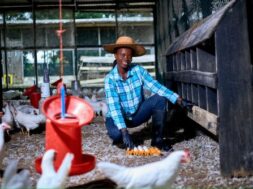
- Feeders
- Drinkers
- Brooders
- Heat lamps or gas brooders
- Chick guards
- Thermometers
- Weighing scale
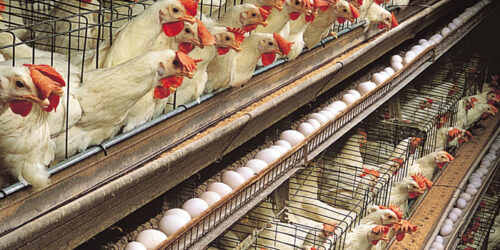
- Egg trays
- Nest boxes (for layers)
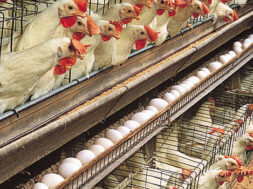
- Battery cages (if applicable)
- Water storage tanks
- Feed storage bins
- Wheelbarrows
- Shovels
- Disinfectant sprayers
- Generators or backup power systems
- First aid and veterinary supplies
Investing in quality equipment reduces maintenance costs and improves long-term productivity.
Buying Quality Day-Old Chicks
The quality of your chicks determines the future performance of your flock.
Purchase chicks only from reputable hatcheries with a proven record of producing healthy, vaccinated birds.
Healthy day-old chicks should have:
- Bright, alert eyes
- Clean and dry feathers
- Strong legs
- Well-healed navels
- Uniform size
- Active movement
- No physical deformities
Avoid purchasing weak or unhealthy chicks simply because they are cheaper. Poor-quality chicks often result in higher mortality and lower profitability.
Transport chicks carefully and place them in a prepared brooder immediately upon arrival.
Feeding Programs and Nutrition
Feed represents the largest operating expense in poultry farming, often accounting for more than half of production costs. Providing balanced nutrition is therefore essential for maximizing growth, egg production, and profitability.
Broiler Feeding Program
Broilers are commonly fed through three stages:
Starter Feed
Supports rapid early growth during the first few weeks.
Grower Feed
Promotes muscle development and skeletal growth.
Finisher Feed
Improves weight gain before birds are sold.
Layer Feeding Program
Layers require specialized feed to support egg production and shell quality.
Typical feeding stages include:
- Chick mash
- Grower mash
- Layer mash
A balanced layer diet should contain adequate calcium, protein, vitamins, and minerals to sustain consistent egg production.
Feeding Best Practices
- Feed birds at the same time each day.
- Keep feed clean and dry.
- Store feed away from moisture and rodents.
- Remove spoiled feed immediately.
- Monitor feed intake regularly.
- Reduce feed wastage by adjusting feeder height.
Water Management
Clean water is just as important as quality feed.
Birds require unrestricted access to fresh drinking water throughout the day.
Poor water quality can reduce feed intake, increase disease risk, and lower productivity.
Good water management includes:
- Cleaning drinkers daily
- Preventing water contamination
- Testing water quality where necessary
- Providing additional water during hot weather
- Repairing leaking drinkers promptly
Never allow birds to run out of drinking water.
Vaccination and Health Management
Disease prevention is much more cost-effective than treating sick birds.
Work closely with a qualified veterinarian or animal health professional to establish an appropriate vaccination program based on your location and production system.
A typical poultry health program includes vaccination against diseases such as:
- Newcastle Disease
- Gumboro Disease
- Fowl Pox
- Infectious Bronchitis
- Marek’s Disease
- Coccidiosis (through medication where appropriate)
Keep accurate vaccination records, including:
- Date administered
- Vaccine batch number
- Number of birds vaccinated
- Person administering the vaccine
Routine observation of birds is equally important. Monitor your flock daily for changes in:
- Feed consumption
- Water intake
- Activity levels
- Feather condition
- Egg production
- Droppings
- Mortality
Early detection of health problems helps minimize losses.
Biosecurity Measures
Biosecurity is one of the most effective ways to protect your poultry farm from disease outbreaks.
Every poultry farm should have strict biosecurity protocols that limit the introduction and spread of infectious diseases.
Key biosecurity practices include:
- Restrict unnecessary visitors.
- Install footbaths at all entrances.
- Disinfect equipment regularly.
- Wear dedicated farm clothing and footwear.
- Isolate newly purchased birds before introducing them to the flock.
- Dispose of dead birds safely.
- Control rodents and wild birds.
- Keep poultry houses clean and dry.
- Clean and disinfect vehicles entering the farm.
- Prevent contact with neighboring poultry flocks.
Strong biosecurity protects your investment and reduces costly disease outbreaks.
Staffing and Farm Management
As your poultry business grows, you’ll need reliable workers to maintain daily operations.
Depending on farm size, staff may include:
- Farm manager
- Poultry attendants
- Security personnel
- Drivers
- Sales representatives
- Veterinary consultants
- Accountants
Clearly define each employee’s responsibilities and provide regular training on:
- Bird handling
- Biosecurity
- Feeding procedures
- Record keeping
- Disease identification
- Equipment maintenance
Motivated and well-trained staff contribute significantly to farm productivity.
Record Keeping and Farm Monitoring
Successful poultry farming is built on accurate records. Good record keeping enables farmers to evaluate performance, identify problems, and make informed business decisions.
Essential records include:
- Chick purchases
- Feed consumption
- Vaccination schedule
- Medication records
- Mortality rates
- Daily egg production
- Bird weights
- Sales revenue
- Operating expenses
- Profit and loss statements
Regular analysis of these records helps improve efficiency, reduce costs, and increase profitability over time.
Preparing for Long-Term Success
The early decisions you make when establishing your poultry farm will influence its long-term performance. Investing in quality housing, healthy chicks, balanced nutrition, effective disease prevention, and skilled management creates a strong foundation for sustainable growth.
Rather than expanding too quickly, focus on mastering good management practices, maintaining healthy birds, and building strong relationships with buyers. As your experience and profits grow, you can confidently increase your flock size and diversify into additional poultry-related businesses such as hatcheries, feed production, poultry processing, or egg packaging.
A well-managed poultry farm is more than a source of income—it is a long-term investment that can contribute to food security, employment creation, and economic development in Ghana.