AI-Generated Media and Personalized Content: Shaping the Future of Digital Experiences
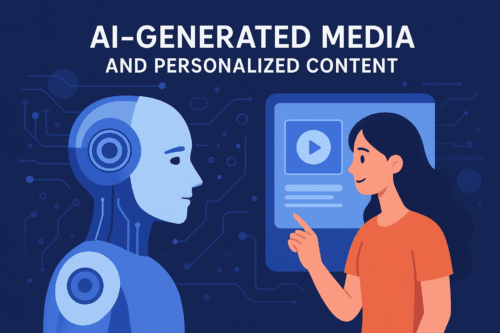









Artificial Intelligence (AI) is no longer a futuristic concept—it is actively reshaping how we create, distribute, and consume media. AI-generated media and personalized content AI are driving a transformation across industries, from journalism and sports to marketing and streaming. By combining automated media production with personalization algorithms, companies are offering hyper-targeted, engaging experiences that feel tailored to each user.
The Rise of AI in Media
AI in Newsrooms
Leading media outlets like Reuters and Associated Press are already using AI for automated reporting. Algorithms can produce financial updates, sports recaps, and breaking news summaries in seconds, freeing journalists to focus on deeper analysis and investigative work.
Marketing and Advertising
Brands now rely on AI in content creation to produce ad copy, blog posts, and social campaigns. Tools like Jasper AI, Writesonic, and Copy.ai streamline workflows while enabling brands to target audiences more effectively with data-driven insights.
Video Production
In video, platforms such as Synthesia and Pictory AI allow marketers and educators to turn scripts into polished video content without expensive studios or actors. This is democratizing media creation at an unprecedented scale.
AI Tools for Automated Content
Text-Based Content
Large Language Models like ChatGPT and Jasper AI are leading the way in generating blog posts, social captions, and branded narratives. These tools adapt tone and style based on prompts, offering near-human creativity at scale.
Video Scripts and Storyboarding
AI-powered platforms like Runway ML and Copy.ai provide automated video scripts, scene planning, and even storyboards. This enables creators to reduce time spent in pre-production and focus more on creative execution.
Personalized Content with AI
Streaming & Entertainment
Netflix uses sophisticated recommendation engines to suggest shows and movies tailored to individual viewing habits, while Spotify curates personalized playlists like Discover Weekly. YouTube’s algorithm similarly ensures every user’s feed is unique.
News & Sports
Personalized media extends to journalism and sports. ESPN leverages AI to generate customized video highlights for fans, ensuring each person sees the plays and teams they care about most.
Advertising & Campaigns
Marketers now design hyper-personalized campaigns powered by AI data analysis, ensuring that ads resonate with specific demographics, behaviors, and preferences.
AI in Video Editing & Distribution
Editing Tools
Advanced AI platforms such as Descript and Runway ML automate editing tasks like cutting scenes, adding subtitles, color correction, and audio cleanup. This reduces both cost and time for creators.
Content Distribution
AI also optimizes distribution strategies. Platforms can analyze user activity to determine the best publishing times, channels, and formats for content. Localized storytelling is another key area, with AI-driven translation tools making global reach seamless.
Entrepreneurial Opportunities
Personalization Startups
AI has created opportunities for startups focused on personalized media platforms, offering customized news feeds, entertainment hubs, or niche streaming services.
Localization and Automation
Entrepreneurs are building businesses around AI-driven localization, helping brands reach multilingual audiences, while automation startups streamline media workflows for agencies, educators, and enterprises.
New Monetization Models
AI-powered subscription models and personalized advertising open new revenue streams for small businesses and media innovators.
Challenges in AI Media
Ethics & Deepfakes
The rise of deepfake technology poses risks for misinformation and manipulated media. Safeguards such as deepfake detection tools are becoming essential.
Copyright and Ownership
As AI generates more creative content, questions arise: Who owns the rights—creators, platforms, or AI developers? The legal landscape remains uncertain.
Quality Control
AI-generated outputs can sometimes lack nuance or cultural sensitivity. Human oversight remains critical to ensure accuracy and relevance.
Case Studies: Companies Using AI for Personalized Content
Streaming Services
Netflix and Spotify have set the standard in using AI-driven personalization to enhance user engagement and retention.
Sports Media
ESPN’s AI-powered highlights allow fans to enjoy tailored experiences, increasing brand loyalty.
Digital Publishing
Reuters uses AI to generate short news pieces, proving that automation can coexist with high-quality journalism.
The Future of AI Media
Trends to Watch
- Best AI tools for content generation in 2025 will merge text, video, and voice seamlessly.
- Growth in localized storytelling will allow hyper-regional content to flourish.
- AI-driven gamification and interactivity will transform user engagement.
Impact on Content Consumption
We are moving toward an era where AI-generated media creates highly immersive, personalized, and data-driven experiences. Consumers will expect content to adapt to their unique preferences, making personalization not just a luxury but a necessity.
AI-Generated Media Across Industries
Journalism and News
AI is now an essential part of modern newsrooms. Media organizations leverage Natural Language Processing (NLP) to generate financial summaries, weather updates, and live sports recaps. The Associated Press has been automating quarterly earnings reports for years, showcasing how AI complements—not replaces—human journalists.
Entertainment and Gaming
The entertainment industry is embracing AI storytelling engines that generate interactive scripts and dialogue. In gaming, procedural content generation creates dynamic experiences where each player’s journey feels unique. This blend of creativity and automation is redefining how users engage with digital media.
Healthcare and Education
Healthcare organizations employ AI for patient education videos, while educators use AI-generated lessons and adaptive learning platforms. By tailoring lessons to individual learning speeds and preferences, personalized content AI is helping students grasp complex subjects more effectively.
Technologies Driving AI Media
Natural Language Processing (NLP)
NLP powers article writing, summarization, and chatbot responses. It helps AI tools understand tone, style, and context, ensuring content feels authentic and human-like.
Generative AI
Generative models like GPT-based systems and Stable Diffusion produce original text, images, and video, fueling creativity at scale.
Computer Vision & Video AI
Computer vision enables automated video tagging, editing, and highlight generation—essential for platforms like ESPN and YouTube.
Recommendation Engines
Recommendation systems drive personalization by analyzing user behavior. Netflix, Spotify, and YouTube have refined these engines to maximize user engagement and retention.
Opportunities for Entrepreneurs
AI-driven media is fertile ground for startup innovation. Entrepreneurs can capitalize on:
- Localized Storytelling: Building platforms that auto-translate and culturally adapt content.
- Niche Personalization: Tailoring content for micro-communities, from sports fans to language learners.
- AI-Powered Agencies: Marketing firms offering automated video ads, social content, and personalized campaigns.
- SaaS for Media Teams: Workflow automation platforms that handle editing, scheduling, and analytics.
With the right positioning, small startups can compete with major media houses by leveraging automation and personalization.
Ethical and Social Considerations
Bias and Representation
AI systems are only as good as the data they are trained on. Without careful oversight, algorithms can amplify biases in gender, race, or culture, leading to harmful misrepresentation.
Misinformation Risks
Deepfakes and synthetic voices can be misused to spread fake news and propaganda. This creates a pressing need for AI verification tools that detect manipulated media.
Data Privacy
Personalization relies on massive amounts of user data. Companies must balance data-driven insights with privacy protection, ensuring transparency in how information is collected and used.
Predictions for the Next Decade
By 2035, AI in content creation will be as standard as search engines are today. We can expect:
- AI-first Media Platforms: Entire ecosystems where news, entertainment, and ads are generated and delivered by AI.
- Immersive AI Experiences: Blending AI with AR/VR for interactive and personalized media worlds.
- Stronger Regulations: Legal frameworks addressing copyright ownership, ethical boundaries, and content authenticity.
- Creator-AI Collaboration: Human creativity enhanced—not replaced—by AI, producing richer, more impactful stories.
Final Thoughts
AI-generated media is more than a trend—it is the future of content creation and consumption. From personalized entertainment to automated journalism, AI is reshaping how stories are told and experienced. While challenges such as deepfakes, copyright issues, and bias remain, the opportunities for innovation and growth are unmatched.
Businesses, creators, and entrepreneurs who embrace AI-driven personalization today will be at the forefront of tomorrow’s media revolution.
Conclusion
AI is reshaping media creation and consumption, from automated workflows and personalized content delivery to entrepreneurial opportunities in localization and automation. While challenges such as ethics and copyright remain, the potential of AI-generated media is vast. The next decade will define how deeply personalization integrates into our daily digital experiences.