Gaming, Esports, and Interactive Media: Shaping the Future of Digital Entertainment
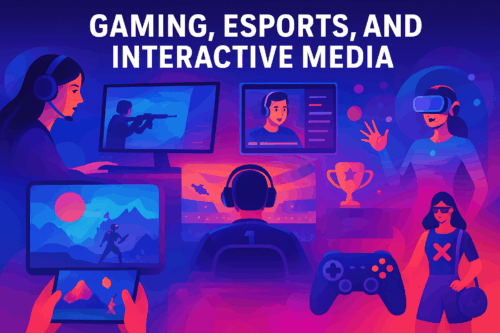










The gaming and esports industry has rapidly evolved into one of the most influential sectors of global entertainment, surpassing both film and music in total revenue. What was once a niche hobby has grown into a multi-billion-dollar ecosystem powered by live streaming, competitive tournaments, and interactive experiences that span across gaming, fashion, music, and the metaverse. For entrepreneurs, creators, and brands, this shift represents a world of opportunities—and challenges—that will define the next decade of digital culture.
The Explosive Growth of Gaming and Esports
Market Expansion
Gaming has overtaken film and music combined, generating over $200 billion annually worldwide. Esports tournaments attract stadium-sized audiences, with global events like The International (Dota 2) and the League of Legends World Championship drawing millions of live viewers. This explosive growth highlights how gaming has become both a competitive sport and a cultural phenomenon.
Cultural Influence
Platforms like Twitch, YouTube Gaming, and Discord have amplified gaming’s influence. Gamers are no longer just players—they are influencers, entertainers, and community leaders. The ability to connect live with fans has blurred the lines between audience and creator, giving rise to new forms of interactive media trends.
Entrepreneurial Opportunities in Esports
Esports Management Platforms
The growth of esports has opened the door for startups to build esports management platforms that handle tournament scheduling, team operations, and fan engagement. Entrepreneurs exploring how to start an esports tournament platform can create tools that connect organizers, players, and audiences in seamless digital environments.
Examples of Success
Leading organizations such as ESL Gaming, Fnatic, and Cloud9 demonstrate the power of esports branding and management. Their success stories show that esports is no longer just about gameplay—it is about infrastructure, partnerships, and audience growth.
The Rise of Game Streaming
Streaming Tools
Live streaming is a key driver of gaming’s popularity. Platforms like Streamlabs, OBS Studio, Trovo, Facebook Gaming, and Twitch allow gamers to broadcast globally. These tools empower players to build communities and monetize their passion.
Monetization for Gamers
Gamers today earn income through subscriptions, ad revenue, donations, and brand sponsorships. The rise of influencer marketing means top streamers are treated like celebrities, with millions tuning in daily. For aspiring creators, investing in the best streaming tools for gamers in 2025 is crucial to standing out in a crowded market.
Metaverse and Interactive Media
Virtual Worlds
The metaverse is transforming gaming into a shared interactive experience. Platforms like Roblox, Fortnite, Decentraland, The Sandbox, and Meta Horizon Worlds are leading this revolution, where players socialize, trade, and collaborate in fully digital economies.
Business Models
In these virtual spaces, brands and entrepreneurs experiment with metaverse business models such as virtual merchandise, branded events, and digital storefronts. For creators, the metaverse presents opportunities to design immersive experiences where gaming meets commerce.
You can also read on: https://baobabentrepreneur.com/ai-generated-media-and-personalized-content-shaping-the-future-of-digital-experiences/
Cross-Industry Collaborations
Gaming Meets Music and Film
Games have become platforms for entertainment crossovers. Fortnite’s virtual concerts with artists like Travis Scott and Ariana Grande attracted millions of attendees. Similarly, in-game film premieres have demonstrated the power of gaming as a mainstream cultural stage.
Gaming and Fashion
Fashion brands are entering gaming by designing virtual skins and digital wearables. Collaborations between luxury brands and game developers highlight the demand for digital self-expression, showing that gaming is influencing lifestyle industries far beyond entertainment.
Monetization Models
Gaming Revenue Streams
The industry thrives on subscriptions, in-game purchases, digital goods, NFTs, and advertising. Virtual economies are now a staple of modern gaming. Blockchain technology is creating opportunities for secure asset ownership and trading.
Esports Monetization
Esports tournaments rely on sponsorships, advertising, media rights, and prize pools. Brands see esports as a way to reach younger, digitally native audiences, making esports monetization strategies increasingly sophisticated.
Challenges in Gaming and Esports
Regulation
As esports grows, governments and organizations are introducing licensing, compliance, and player protection rules. Regulations will shape the future sustainability of the industry.
Monetization Barriers
While opportunities abound, competition is fierce, and high entry costs pose barriers for new entrepreneurs. Many face difficulties balancing profitability with fair play and accessibility.
Sustainability Issues
Player burnout, toxic environments, and unequal access are growing concerns. Entrepreneurs and organizers must prioritize sustainable practices to ensure long-term growth.
The Future of Gaming and Interactive Media
Tech Innovations
The next decade will be defined by AI in game design, VR/AR gaming experiences, blockchain-driven economies, and NFTs. Cloud gaming will also make high-quality experiences more accessible across devices.
Predictions
The future of esports and gaming entrepreneurship is bright. Interactive media will become central to digital life, with gaming merging seamlessly with entertainment, commerce, and social engagement. Businesses that embrace these interactive media trends will lead the next wave of digital transformation.
Case Studies: Success in Gaming and Esports
Twitch – The Power of Streaming Communities
Twitch remains the global leader in game streaming tools and live broadcasting. What sets Twitch apart is its ability to build engaged communities where gamers interact in real-time with fans. The platform also paved the way for new monetization models, including Twitch subscriptions, Bits (micro-donations), and sponsorships, which today sustain thousands of full-time creators.
Fortnite – Redefining Interactive Media
Epic Games’ Fortnite is more than a game—it is a cultural platform. From hosting virtual concerts with millions of attendees to launching crossovers with Marvel, Nike, and Star Wars, Fortnite has redefined what interactive media can achieve. This demonstrates the future potential of metaverse gaming experiences, where entertainment, retail, and social interaction merge.
ESL Gaming – Global Esports Infrastructure
ESL Gaming, one of the world’s largest esports organizations, highlights how structured tournament management can elevate gaming into a professional sport. Through partnerships with sponsors, media outlets, and publishers, ESL has shown how esports monetization strategies create long-term growth and sustainability for the industry.
Actionable Insights for Entrepreneurs in Gaming
1. Start with Community Building
In gaming, community is everything. Whether it’s an esports management platform, a streaming tool, or a metaverse project, success depends on creating loyal, engaged user bases. Start small, build trust, and scale gradually.
2. Focus on Niche Opportunities
The industry is vast. Entrepreneurs should target niches like mobile esports, localized gaming content, virtual fashion, or AI-driven interactive media. These specialized areas are less saturated and offer faster growth.
3. Leverage Cross-Collaborations
Brands that merge gaming with music, fashion, or film gain access to larger audiences. For startups, this means seeking strategic partnerships that enhance visibility and credibility in the gaming ecosystem.
4. Embrace Emerging Tech Early
Entrepreneurs who adopt blockchain, NFTs, VR/AR, and AI in game design ahead of competitors will be well-positioned as these technologies go mainstream. Early adopters often set the standard for innovation in gaming.
The Bigger Picture: Gaming as Digital Culture
Gaming is no longer just an activity—it is a pillar of digital culture. It shapes how people interact online, consume entertainment, and even express identity through avatars, digital wearables, and communities. As interactive media trends continue to evolve, gaming will remain at the center of this transformation.
From casual mobile players to professional esports athletes, the gaming and esports industry is creating opportunities that extend into education, business, fashion, music, and beyond.
Final Thoughts
The future of esports and gaming entrepreneurship is a landscape of limitless possibility. With billions of players worldwide and new technologies reshaping how we play, compete, and connect, the industry is on track to dominate the digital economy.
For entrepreneurs, innovators, and brands, this is the moment to act—by exploring game streaming tools, esports management platforms, and metaverse experiences that define tomorrow’s interactive media.
Gaming isn’t just the future of entertainment—it’s the future of digital life itself.
Conclusion
The gaming and esports industry has grown from entertainment to a global ecosystem influencing culture, technology, and business. From game streaming tools and esports management platforms to metaverse experiences and cross-industry collaborations, gaming has become the hub of interactive digital life. While challenges remain in regulation, monetization, and sustainability, the opportunities for entrepreneurs and creators are immense. The future belongs to those who can innovate at the intersection of gaming, esports, and interactive media.