Renewable Energy Microfranchising: Powering Africa’s Green Entrepreneurship





The New Wave of Green Entrepreneurship
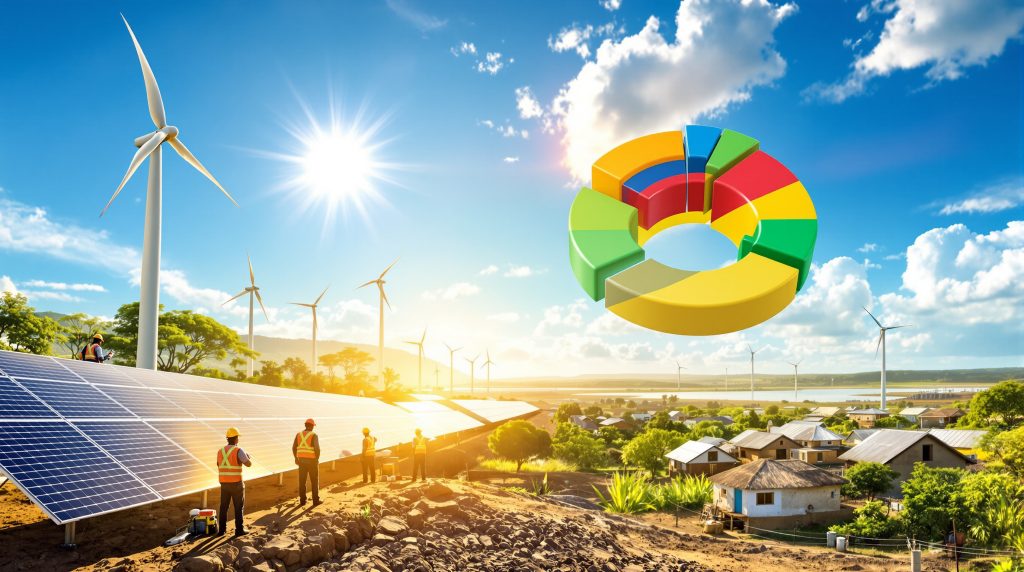
Across Africa, millions of households still live without access to reliable electricity, limiting opportunities for education, business, and development. But a quiet revolution is taking shape — powered not just by solar panels or wind turbines, but by entrepreneurs bringing clean energy directly to communities. This movement is driven by an innovative business approach called renewable energy microfranchising, which empowers local entrepreneurs to become part of Africa’s sustainable energy future.
Renewable energy microfranchising is transforming the way we think about entrepreneurship and energy access. It combines green technology, business opportunity, and social impact, enabling individuals in both urban and rural areas to run small, profitable energy distribution enterprises.
What Is Renewable Energy Microfranchising?
A microfranchise is a small-scale version of the traditional franchise model — simple, replicable, and built to operate with minimal startup costs. In the renewable energy sector, it allows entrepreneurs to sell or lease solar home systems, biogas units, or electric mobility services to off-grid customers.
Unlike large energy corporations, microfranchises empower individuals to own and manage their operations, supported by training, branding, and logistics from a parent organization. Companies like M-KOPA, Solar Sister, BBOXX, and ZOLA Electric have successfully adopted this model to reach last-mile communities across Africa, lighting up homes and powering small businesses.
How Microfranchising Expands Energy Access
The biggest challenge to rural electrification in Africa isn’t just infrastructure — it’s distribution. Microfranchising provides a sustainable solution by bringing energy services closer to consumers.
Local entrepreneurs act as trusted agents within their communities, offering clean energy solutions such as solar lamps, home systems, and efficient stoves. By using pay-as-you-go (PAYG) models, they make renewable energy both affordable and accessible.
These businesses also create employment, especially for youth and women, while encouraging community participation in clean energy adoption. The result is a cycle of empowerment and impact, where local entrepreneurs become the drivers of Africa’s green transformation.
Emerging Business Opportunities
Solar Energy Ventures
Solar microfranchises are among the fastest-growing in Africa. Entrepreneurs distribute solar lanterns, rooftop systems, and community mini-grids, serving homes, schools, and small shops. Brands like d.light and M-KOPA have shown how scalable this model can be.
Biogas and Clean Cooking Solutions
Microfranchises promoting biogas digesters and clean cookstoves are reducing deforestation and indoor pollution. These ventures turn agricultural waste into clean fuel for households and small farms — providing both environmental and economic benefits.
Electric Mobility
The shift toward electric bikes and charging stations presents a new green business frontier. Microfranchises can run local charging points or battery-swap centers, reducing transportation costs and emissions across rural and peri-urban areas.
Building Strong Partnerships
Microfranchising thrives on collaboration. Partnerships with clean-tech manufacturers, NGOs, and development agencies are essential to success. Organizations such as Energy 4 Impact, UNDP, GIZ, and Power Africa have played vital roles in training, funding, and scaling energy entrepreneurs.
These partnerships often combine technical expertise, supply chain support, and financing, creating an ecosystem that supports long-term business sustainability. Public-private partnerships (PPPs) are especially critical in extending renewable energy access to underserved communities.
Training and Empowering Entrepreneurs
A key feature of renewable energy microfranchising is capacity building. Entrepreneurs receive training in business management, customer service, and technical maintenance.
Initiatives like Solar Sister focus on empowering women to become clean energy leaders, while programs supported by Ashesi Design Lab and GIZ’s Rural Youth Employment Program (RYEP) equip young people with digital and technical skills to manage green enterprises.
Digital tools such as mobile apps, smart meters, and e-learning platforms are enhancing franchise efficiency, allowing entrepreneurs to monitor sales and manage clients remotely.
Financing Green Microfranchises
Access to funding remains one of the biggest hurdles for emerging entrepreneurs. However, impact investment, green funds, and microfinance programs are bridging this gap.
Organizations such as the Green Climate Fund, Power Africa, and Impact Investing Ghana are channeling resources toward small-scale renewable projects. These initiatives help entrepreneurs acquire equipment, manage working capital, and scale their ventures sustainably.
Innovative financing methods — like lease-to-own models or pay-as-you-grow loans — make renewable energy microfranchises financially viable even for first-time business owners.
Case Studies of Success
M-KOPA (Kenya)
M-KOPA pioneered the pay-as-you-go solar model, providing millions of off-grid homes with affordable, renewable power through mobile payments.
BBOXX (Rwanda)
BBOXX combines smart technology and microfranchise distribution to deliver clean energy to remote regions.
ZOLA Electric (Tanzania)
ZOLA’s decentralized micro-grids demonstrate how scalable renewable energy systems can transform communities.
Solar Sister (Nigeria & Uganda)
By focusing on women entrepreneurs, Solar Sister bridges the gender gap in energy access while building sustainable livelihoods.
These case studies highlight how entrepreneurship and innovation can power Africa’s green revolution.
You can also read on: https://baobabentrepreneur.com/transforming-innovative-green-ideas-into-investor-ready-ventures-empowering-ghanas-green-entrepreneurs/
The Future of Decentralized Energy in Africa
The future of energy in Africa is decentralized, inclusive, and digital. With advancements in smart grids, battery storage, and mobile finance, communities can generate, store, and trade energy locally.
Renewable energy microfranchising will remain at the heart of this transition — connecting clean energy innovation with economic opportunity. By equipping entrepreneurs with the tools, training, and funding they need, Africa can achieve universal energy access while building a resilient green economy.
Expanding the Impact: Linking Microfranchising to the SDGs
Renewable energy microfranchising doesn’t only empower entrepreneurs — it aligns directly with several United Nations Sustainable Development Goals (SDGs).
- SDG 7: Affordable and Clean Energy — Expanding off-grid access through microfranchise networks.
- SDG 8: Decent Work and Economic Growth — Creating sustainable jobs and small business opportunities.
- SDG 9: Industry, Innovation, and Infrastructure — Driving innovation in decentralized clean-tech solutions.
- SDG 13: Climate Action — Reducing greenhouse gas emissions through renewable adoption.
By connecting local innovation with global sustainability targets, Africa’s microfranchise entrepreneurs are becoming agents of climate resilience and inclusive growth.
Community Transformation Through Clean Energy Access
In rural and peri-urban Africa, renewable energy microfranchising does more than provide power — it changes lives.
- Women and Youth Empowerment: With affordable startup support and flexible ownership models, microfranchising offers young entrepreneurs — especially women — a gateway into the formal economy.
- Education and Healthcare Impact: Solar-powered schools, clinics, and community centers are improving learning outcomes and public health services.
- Agricultural Productivity: Solar water pumps and cold storage units are boosting food security and reducing post-harvest losses.
Every solar kit sold or biogas system installed becomes part of a larger transformation, one that fuels local economies and enhances quality of life.
Technology and Innovation: The Next Leap
As digital transformation accelerates across Africa, technology will play a pivotal role in scaling renewable energy microfranchising.
Emerging tools include:
- AI-based monitoring systems for energy usage and equipment maintenance.
- Blockchain-enabled energy trading, allowing communities to buy and sell excess power securely.
- Mobile financial platforms that simplify payments and franchise operations.
These innovations will help make microfranchising more transparent, data-driven, and scalable, ensuring every entrepreneur can manage operations efficiently and reach profitability faster.
The Policy and Investment Landscape
Governments and financial institutions are recognizing the economic potential of microfranchised energy systems.
- National policies in Kenya, Nigeria, and Ghana now include tax incentives and subsidies for renewable energy distribution.
- Impact investors and venture capitalists are channeling funds into micro-enterprise models that merge profitability with social good.
- Public-Private Partnerships (PPPs), supported by organizations like the Rural Electrification Agency (REA) and Power Africa, are expanding financing access for startups entering the green energy space.
To sustain this growth, policymakers must prioritize enabling regulatory frameworks, capacity building, and infrastructure investment — ensuring microfranchises thrive in both rural and urban markets.
The Road Ahead: Building Africa’s Green Business Ecosystem
The success of renewable energy microfranchising signals a new phase in Africa’s entrepreneurship landscape — one where innovation, inclusivity, and impact converge.
By 2030, experts predict that community-based renewable businesses could employ millions of people and supply power to over 600 million Africans currently off the grid.
To achieve this, stakeholders must work together to:
- Support youth-led clean-tech enterprises through mentorship and seed funding.
- Strengthen local manufacturing of renewable energy products.
- Expand digital access for franchise management and financial inclusion.
- Promote gender equity in energy entrepreneurship.
With collaboration, innovation, and investment, renewable energy microfranchising can transform Africa from an energy-deficient continent into a global model of sustainable growth.
Empowering a Green Generation
Renewable energy microfranchising stands as one of the most transformative models for Africa’s sustainable future. It merges entrepreneurship with environmental stewardship — giving rise to a generation of green innovators, job creators, and community leaders.
From solar lighting in rural Kenya to biogas solutions in Ghana and e-mobility in Rwanda, each microfranchise contributes to the broader vision of an energy-secure Africa.
As more governments, organizations, and youth embrace this model, the continent moves closer to realizing a renewable-powered, inclusive economy — where every community is both an energy producer and a hub of innovation.
Africa’s energy future isn’t distant — it’s being built, one microfranchise at a time.
Conclusion – A Pathway to Sustainable Prosperity
Renewable energy microfranchising is more than just a business model — it’s a movement toward sustainable prosperity and empowerment. It blends entrepreneurship with environmental responsibility, creating livelihoods while addressing one of Africa’s most pressing challenges: energy poverty.
As governments, investors, and youth embrace this green opportunity, renewable microfranchises could become the backbone of Africa’s energy future — lighting homes, powering businesses, and transforming lives, one community at a time.