Data-Driven Journalism and Independent Media Ventures: The Future of Credible Storytelling










In today’s digital-first world, news consumers demand accuracy, transparency, and relevance. The rise of data-driven journalism is reshaping how stories are told, while independent media ventures are gaining ground as trusted sources amid a sea of misinformation. Together, these trends are transforming the future of journalism and opening entrepreneurial opportunities in media.
The Rise of Data-Driven Journalism
From Traditional Reporting to Analytics-Backed Stories
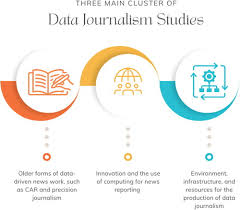
Journalism has evolved from anecdotal reporting to data-backed storytelling. Modern newsrooms now use statistics, visualization, and analytics to explain complex issues like climate change, elections, or financial markets with greater clarity.
Independent Media in the Age of Misinformation
With misinformation spreading faster than ever, independent media outlets are building loyal audiences by prioritizing accuracy and fact-checking. Unlike large, corporate-driven outlets, these ventures focus on niche coverage, credibility, and transparency.
Opportunities in Data-Driven Media
Investigative Outlets Using Data
Data journalism empowers investigative outlets to uncover hidden patterns, such as corruption scandals or public spending mismanagement. Outlets like ProPublica and The Markup are prime examples of this model.
Niche News Platforms (Climate, Finance, Politics)
Specialized platforms covering climate change, finance, or local politics are gaining traction. By focusing on depth over breadth, these outlets meet the needs of underserved communities and specialized audiences.
Subscription-Based Media Models
Paywalls and subscription-driven platforms have proven that readers are willing to pay for quality journalism. From Substack newsletters to premium investigative portals, sustainable revenue streams are growing.
Technology and Tools for Data Journalism
AI and Big Data Analytics
Artificial intelligence and machine learning are driving insights into audience behavior, while big data enables journalists to report stories supported by vast datasets.
Open Data Platforms
Open-source data platforms give journalists access to public records, government datasets, and global indexes. These resources support transparency in reporting.
Fact-Checking Technologies
Advanced fact-checking platforms and AI-driven verification tools help combat misinformation, ensuring readers receive verified and credible content.
You can also read on: https://baobabentrepreneur.com/exhibit-at-ghana-digital-innovation-week-2025/
Benefits of Independent Journalism
Credibility and Accuracy
Independent outlets build reputations for unbiased, accurate coverage, earning reader loyalty.
Transparency and Audience Trust
By openly sharing sources and methodologies, independent journalism enhances trust—a critical factor in today’s skeptical media environment.
Why Readers Pay for Quality News
Audiences are increasingly willing to subscribe or donate to media ventures that prioritize facts, context, and truth over clickbait.
Entrepreneurial Opportunities in Media
Building Subscription-Based Apps
Startups can develop mobile-first apps offering premium subscription models, making independent journalism accessible and profitable.
Data Visualization Tools for Storytelling
Entrepreneurs can build platforms that help journalists turn raw data into engaging visuals, interactive charts, or immersive stories.
Collaborations Between Journalists and Innovators
Tech startups are collaborating with journalists to create AI-powered tools for storytelling, enhancing productivity and creativity in the newsroom.
Case Studies and Global Trends
Successful Independent Journalism Ventures
Global outlets like ProPublica, Quartz, and NPR podcasts show how independent journalism can thrive with innovative funding and data use.
Redefining Journalism Models
The shift from ad-driven to subscription-based models reflects growing consumer preference for quality, ad-free content.
Lessons for Emerging Markets
In regions like Africa and Asia, independent digital platforms are filling gaps left by mainstream media, covering local politics, startups, and cultural issues.
Case Studies and Global Trends
Successful Independent Journalism Ventures Worldwide
Across the globe, independent outlets have demonstrated the power of data to build trust and reach. ProPublica in the United States, The Bureau of Investigative Journalism in the UK, and ScrollStack-based media startups in Asia show how data-driven reporting can expose corruption, shape policy, and empower citizens. These ventures often thrive on grants, subscriptions, or community funding, proving that alternative models to advertising can sustain impactful journalism.
Startups Redefining News Business Models
Emerging platforms are experimenting with interactive dashboards, live fact-checking, and explainer journalism tailored for mobile-first audiences. Some are hyperlocal, focusing on municipal politics or environmental monitoring, while others provide subscription-based financial analysis or investigative content. The diversity of approaches highlights that journalism today can succeed at both micro and macro levels if it delivers consistent value.
Lessons for Entrepreneurs in Emerging Markets
For entrepreneurs, independent media offers opportunities to serve unmet needs in underreported sectors. Climate change reporting in Africa, community-driven political coverage in Latin America, or financial literacy platforms in Asia are examples of niches where data-backed storytelling is in demand. Partnerships with NGOs, universities, and tech hubs can provide not only resources but also credibility and audience reach.
The Future of Data-Driven Journalism and Independent Media
Why Entrepreneurs Should Invest in Credible Storytelling
In today’s attention economy, credibility is the most valuable currency. Audiences are no longer passive consumers of news; they actively seek transparency, data-backed analysis, and trustworthy sources. This opens a significant opportunity for entrepreneurs who want to combine innovation with public service. By investing in independent media, startups can help fill information gaps while building sustainable business models.
Convergence of Technology and Journalism
As artificial intelligence, blockchain, and cloud platforms evolve, their integration into journalism is expected to grow. AI will enhance investigative reporting by processing massive datasets, while blockchain could be used to verify the authenticity of sources and prevent tampering. Entrepreneurs who harness these tools to create robust, transparent, and innovative media products will likely shape the industry in the coming decade.
Global Demand for Local Voices
While global news outlets dominate the headlines, the next wave of journalism innovation may come from localized, niche-driven ventures. Citizens in emerging markets often lack reliable coverage of community issues, governance, or environmental challenges. Independent media startups that provide context-specific reporting can foster civic engagement and build strong reader loyalty.
Final Thoughts
Data-driven journalism is not just a trend — it’s a necessity in a world overwhelmed by misinformation and shallow content. Independent media ventures have the agility to adapt, the credibility to earn trust, and the innovation to redefine news consumption.
For entrepreneurs, journalists, and innovators alike, this is the moment to invest in credible storytelling, explore niche opportunities, and reimagine journalism as a force for accountability and progress. The media landscape is shifting, and those who embrace data, technology, and trust will shape the future of information.
Conclusion
The rise of data-driven journalism and independent media ventures reflects a shift toward credibility, innovation, and sustainability in global news ecosystems. By leveraging data, AI tools, and open-source resources, independent outlets can counter misinformation while delivering accurate, engaging, and impactful stories.
For entrepreneurs, this space offers fertile ground for building ventures that combine business sustainability with social responsibility. Whether through subscription-based apps, data visualization platforms, or collaborative media-tech projects, the opportunity is clear: the future of journalism will be shaped by those who prioritize trust, transparency, and truth.
The future of journalism is not just about telling stories—it’s about telling them with data, transparency, and trust.