Social Media Monetization Models: How Creators Are Earning in 2025
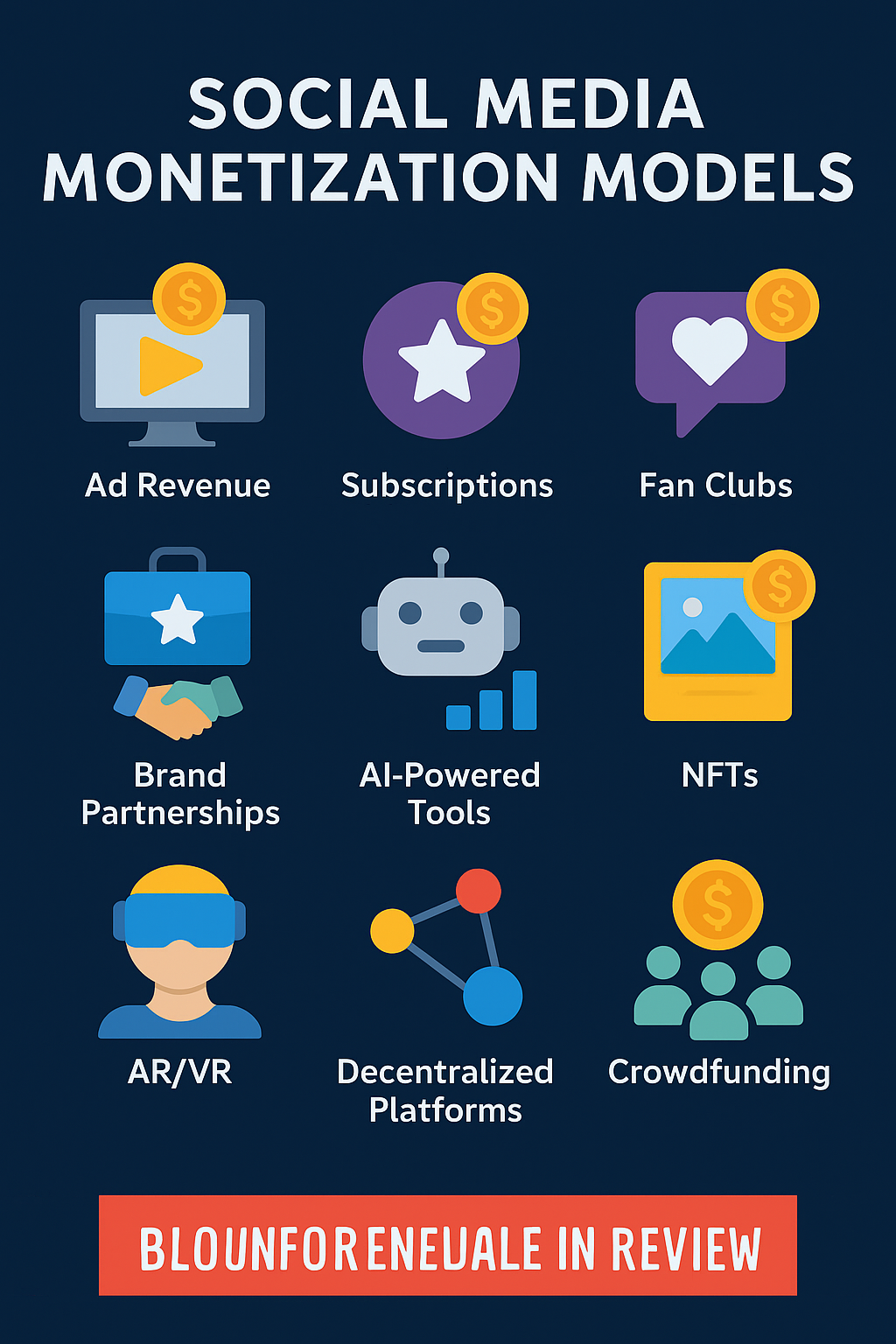










Social media is no longer just a place for sharing updates and building communities. Today, it has become one of the most powerful revenue ecosystems in the digital economy. With billions of active users worldwide, platforms like TikTok, Instagram, YouTube, and Twitter/X are enabling creators to monetize their content and turn influence into income. For both established influencers and aspiring creators, understanding social media monetization models is crucial in 2025.
The Evolution of Social Media Monetization
In the early days of social media, creators relied heavily on organic reach, brand partnerships, or off-platform income streams. Today, monetization is deeply embedded into the platforms themselves.
- YouTube Partner Program introduced ad-sharing models, setting the foundation.
- TikTok Creator Fund rewarded viral creators for engagement.
- Facebook Stars and Instagram Subscriptions provide ways for fans to directly support creators.
This shift highlights how platforms have moved from simply being social networks to becoming full-fledged income-generating ecosystems.
Paid Subscriptions and Exclusive Content
Fan Support Models
Platforms like Patreon, OnlyFans, Substack, and Twitter/X Subscriptions have popularized paid memberships. Fans contribute monthly fees in exchange for early access, bonus content, or private communities.
Premium Access and Communities
Creators use exclusive groups and behind-the-scenes content to deepen engagement. From fitness trainers offering premium workout plans to thought leaders providing in-depth analysis, these models thrive on loyalty and exclusivity.
Creator Marketplaces and Brand Partnerships
Marketplaces
Dedicated platforms like AspireIQ, Influence.co, and CreatorIQ connect brands with influencers. This streamlines the collaboration process and ensures measurable ROI for businesses.
Collaboration Models
- Sponsored Posts: Direct brand promotion.
- Affiliate Marketing: Commission-based earnings.
- Ambassadorships: Long-term relationships between influencers and brands.
Such partnerships continue to be a cornerstone of monetization, particularly for micro-influencers with engaged niche audiences.
AI-Driven Analytics for Creators
Tools That Empower
With platforms like HypeAuditor, Sprout Social, and TubeBuddy, creators now have access to advanced analytics. These tools help track engagement, identify audience behavior, and predict which content will perform best.
Benefits
- Improved audience targeting.
- Smarter ad placement and campaign design.
- Better ROI tracking for partnerships.
AI ensures that creators don’t just post but post strategically for maximum monetization impact.
You can also read on: https://baobabentrepreneur.com/podcasting-and-audio-media-innovation/
Short-Form Video Monetization
Key Platforms
TikTok, Instagram Reels, and YouTube Shorts dominate short-form content. These platforms reward creators through ad revenue sharing, branded content, and influencer marketing campaigns.
Opportunities and Limitations
- Opportunities: Viral growth, massive reach, low production costs.
- Limitations: Algorithm volatility, oversaturation, and short content lifespans.
Despite these challenges, short-form remains one of the most lucrative formats for creators in 2025.
Challenges in Monetization
While opportunities are vast, creators face several obstacles:
- Heavy dependence on platform algorithms.
- Reduced earnings due to high platform revenue cuts.
- Content saturation making it harder to stand out.
These challenges push creators to diversify income streams and not rely on a single platform for revenue.
The Creator Economy and Opportunities
The rise of the creator economy has sparked innovation across industries. Startups are building tools to empower influencers with e-commerce integrations, automated editing tools, and fan management platforms.
Many creators are expanding into products, online courses, and podcasts, creating hybrid income streams that combine creativity with entrepreneurship.
Future Trends in Social Media Monetization
Decentralized Platforms
Blockchain-powered platforms could reduce dependency on traditional giants, offering fairer revenue distribution.
NFTs and Digital Assets
Creators are experimenting with NFTs to sell digital collectibles, artwork, and exclusive experiences directly to fans.
Micro-Platforms
The future will see smaller, niche-focused platforms catering to specific communities, giving creators more direct access to loyal audiences.
Case Studies of Social Media Monetization Success
TikTok Creators Driving Cultural Movements
Young creators on TikTok have built empires through viral dances, product reviews, and comedy skits. Many partner with e-commerce brands via TikTok Shop, turning influence directly into sales.
YouTube Entrepreneurs Building Businesses
From tech reviewers like Marques Brownlee (MKBHD) to lifestyle vloggers, YouTubers have scaled beyond ad revenue into merch lines, podcasts, and global speaking opportunities.
Instagram Micro-Influencers
Niche creators in fashion, food, or travel often generate higher engagement than celebrity influencers. Their monetization comes from long-term collaborations with local brands or curated affiliate programs.
The Role of Community in Monetization
Monetization today isn’t only about content — it’s about building trust and community.
- Direct Fan Engagement: Livestreams, AMAs, and Q&A sessions drive intimacy.
- Membership Clubs: Fans pay for private Discord groups, exclusive workshops, or one-on-one coaching.
- User-Generated Content (UGC): Brands pay creators to produce authentic-looking content that resonates better than polished ads.
Communities give creators the ability to monetize beyond algorithms by fostering loyalty and deeper connections.
Best Practices for Aspiring Creators
- Diversify Income Streams – Avoid relying on just ads or one platform.
- Leverage Data – Use AI tools to understand your audience.
- Invest in Personal Branding – Strong visuals, storytelling, and authenticity drive loyalty.
- Engage Consistently – Consistency matters more than virality for long-term monetization.
- Experiment with New Tech – Early adopters of NFTs, AR filters, or decentralized platforms gain an edge.
Final Reflection
The future of social media monetization is both exciting and competitive. The creator economy has matured into a global force, where individuals can earn as much as — or even more than — traditional businesses. But with opportunity comes responsibility: creators must adapt to algorithm changes, embrace new tools, and focus on community-driven engagement.
In 2025 and beyond, those who thrive will not just create content — they will build ecosystems, businesses, and movements that redefine what it means to be a digital entrepreneur.
Future Trends Shaping Social Media Monetization
Blockchain and NFTs
Decentralized technologies are giving creators new ways to earn directly from fans without middlemen. For example, NFTs (non-fungible tokens) allow artists to sell unique digital assets, while blockchain-based platforms ensure transparency in royalty payments.
Decentralized Creator Platforms
New platforms are emerging that bypass traditional social media giants, letting creators own their audiences and revenue streams. These platforms emphasize autonomy, reduced commission fees, and stronger creator–fan relationships.
AI-Powered Monetization
Artificial intelligence is not just an analytics tool — it’s evolving into a revenue driver. AI-generated content, predictive audience behavior models, and personalized ad targeting help creators maximize income with less manual effort.
Immersive Content & AR/VR
The integration of augmented reality (AR) and virtual reality (VR) into social platforms will unlock fresh monetization opportunities. From virtual meet-and-greets to AR try-on filters for e-commerce, these tools blur the line between entertainment and commerce.
Opportunities for Businesses & Brands
- Micro-Influencer Campaigns – Brands increasingly prefer smaller creators with engaged, niche audiences.
- Co-Creation of Products – Businesses can partner with influencers to co-design merchandise, giving campaigns authenticity.
- Affiliate Marketing Expansion – Brands are scaling affiliate partnerships through influencer-driven storytelling on short-form video platforms.
This shift proves that businesses no longer just use social media — they depend on creators to amplify reach and sales.
What This Means for the Creator Economy
The creator economy is becoming more professionalized. Creators are no longer hobbyists but entrepreneurs managing teams, negotiating brand deals, and diversifying revenue streams. The ecosystem is moving toward:
- Professional Creator Agencies that manage talent like traditional entertainment industries.
- Legal & Financial Services tailored to influencers, covering contracts, taxes, and intellectual property.
- Cross-Platform Strategies, where creators establish presence across multiple channels to protect against algorithm risks.
Closing Reflection
Social media monetization is no longer optional — it is the foundation of the digital economy. From influencers and niche podcasters to global brands, everyone participates in the monetization ecosystem.
For creators, the path forward means combining creativity with strategy, using both technology and community-building to thrive. For brands, it means recognizing that influencers and creators are no longer side players but central partners in business growth.
The future belongs to those who innovate — blending authenticity, technology, and entrepreneurship to redefine what’s possible in the social media space.
Practical Steps for Creators Entering Monetization
- Diversify Revenue Streams
Don’t rely on a single income source. Mix brand deals, fan subscriptions, merchandise, and affiliate marketing to build stability. - Leverage Analytics Tools
Use AI-driven platforms like HypeAuditor, TubeBuddy, or Sprout Social to track audience behavior, optimize posting schedules, and pitch data-backed results to brands. - Invest in Community Building
Build loyal followers by engaging authentically through comments, polls, and behind-the-scenes content. Community trust translates into long-term monetization opportunities. - Experiment with Short-Form Content
Platforms like TikTok, Instagram Reels, and YouTube Shorts are rewarding creators with better reach and monetization programs. Start small but stay consistent. - Stay Updated on New Monetization Features
Social platforms frequently roll out new revenue models (e.g., Facebook Stars, Instagram Subscriptions). Early adoption often means better visibility and incentives.
Best Practices for Brands Partnering with Creators
- Look Beyond Vanity Metrics
Focus on engagement rates and audience trust rather than just follower counts. Micro-influencers often outperform large creators in ROI. - Co-Create, Don’t Dictate
Authenticity sells. Let creators use their voice when integrating brand messages instead of forcing rigid scripts. - Long-Term Partnerships Work Best
Ongoing collaborations build brand consistency and deeper audience trust compared to one-off sponsored posts.
How Platforms Can Improve Monetization Ecosystems
- Fair Revenue Splits: Platforms must reduce high commission rates to attract and retain creators.
- Transparency in Algorithms: Clearer communication helps creators adapt without guesswork.
- Inclusive Tools for Smaller Creators: Democratizing monetization access ensures growth for newcomers, not just top-tier influencers.
Final Thoughts: The New Era of Social Media Monetization
Social media monetization is rapidly evolving from ad-based models to diverse creator-driven economies. The winners will be those who:
- Embrace new technologies like AI, blockchain, and AR/VR.
- Build authentic communities that trust their voice.
- Balance creativity with business-savvy strategies.
For creators, the opportunity has never been bigger to turn passion into profession. For businesses, collaboration with creators isn’t just marketing — it’s the future of consumer engagement. And for platforms, the challenge is clear: build fair, transparent ecosystems or risk losing talent to decentralized alternatives.
The creator economy of tomorrow is one where every voice, no matter how niche, has the potential to thrive financially. 🚀
Conclusion
Social media monetization has evolved into a multi-layered ecosystem that offers creators diverse ways to earn income. From subscriptions and brand partnerships to AI-driven analytics and blockchain-powered opportunities, the future looks increasingly creator-centered.
For influencers, entrepreneurs, and brands alike, understanding and leveraging these monetization models is key to thriving in the fast-moving creator economy of 2025.