FinTech and Mobile Money Innovations: Driving Ghana’s Digital Finance Revolution











Introduction: The Rise of Digital Finance in Ghana
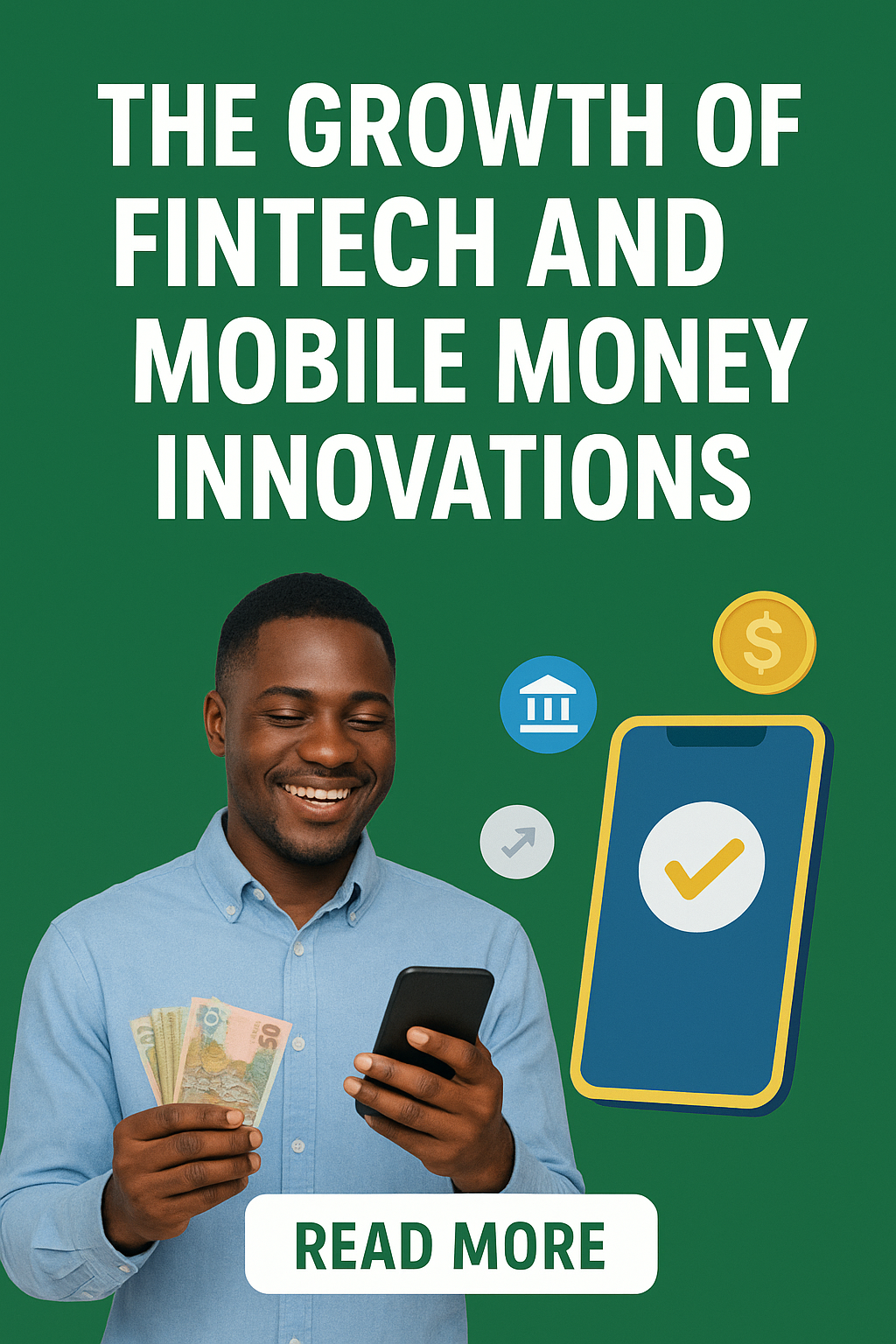
Ghana has emerged as one of Africa’s fastest-growing digital finance hubs, with FinTech and mobile money innovations transforming how people save, pay, and access financial services. Once dominated by traditional banking, Ghana’s financial ecosystem has shifted toward mobile-first solutions, fueled by platforms like MTN MoMo, Vodafone Cash, and AirtelTigo Money. This evolution has made digital payments central to financial inclusion, empowering millions of Ghanaians, including rural communities and small business owners, to actively participate in the economy.
The Evolution of Digital Banking and Mobile Money
From Traditional Banks to Mobile-First Solutions
For decades, banking in Ghana was limited to urban centers, leaving large rural populations unbanked. Branch-based models required extensive documentation, creating barriers for people with little or no formal financial history. The introduction of mobile money services revolutionized this system by allowing customers to open wallets with minimal requirements, using only a phone number and national ID.
MTN MoMo, Vodafone Cash, and AirtelTigo Money
Among these, MTN Mobile Money (MoMo) has been the undisputed leader, with a market share exceeding 70%. Vodafone Cash and AirtelTigo Money also contribute significantly by driving competition and expanding customer choice. These platforms are no longer limited to peer-to-peer transfers—they now support bill payments, airtime purchases, school fees, e-commerce, microloans, and savings accounts, providing a complete ecosystem of financial services.
The Explosion of Mobile Money Platforms
MTN MoMo’s Market Leadership
MTN MoMo dominates Ghana’s digital finance market, processing billions of cedis in transactions monthly. Its wide agent network across towns and villages ensures accessibility even in remote areas. Additionally, partnerships with banks and FinTech startups have expanded MoMo into international remittances, merchant payments, and digital insurance products.
Interoperability and GhIPSS
The Ghana Interbank Payment and Settlement Systems (GhIPSS) has been pivotal in ensuring interoperability. Today, customers can seamlessly transfer money across networks and even between bank accounts and mobile wallets. This system has improved convenience, trust, and efficiency, strengthening Ghana’s position as a regional digital payments leader.
Impact on Financial Inclusion
Mobile money has bridged financial gaps for the unbanked and underbanked. Women, rural farmers, traders, and youth entrepreneurs now enjoy easier access to secure transactions and digital savings. Financial inclusion in Ghana has surged from less than 30% in 2011 to over 60% in 2023, largely thanks to mobile money penetration.
Cryptocurrency Adoption and Regulation in Ghana
Growing Interest in Bitcoin, Ethereum, and Stablecoins
Beyond mobile money, cryptocurrencies are gaining traction in Ghana. Many young Ghanaians are using Bitcoin and Ethereum for remittances, savings, and online investments. Stablecoins such as USDT are also popular due to their resistance to local currency fluctuations.
Bank of Ghana’s e-Cedi Project
The Bank of Ghana (BoG), however, remains cautious about unregulated cryptocurrencies. To balance innovation with security, it has developed the e-Cedi, Ghana’s own central bank digital currency (CBDC). Piloted in select regions, the e-Cedi aims to provide a secure and regulated digital payment system that complements mobile money and reduces reliance on physical cash.
Balancing Innovation with Regulation
The Securities and Exchange Commission (SEC Ghana) and the BoG have warned against unlicensed crypto exchanges due to fraud risks. While regulation is necessary to protect consumers, policymakers face the challenge of fostering innovation without stifling FinTech growth.
FinTech Driving Small Business Growth
SMEs Leveraging Mobile Money
Small and medium enterprises (SMEs) are the backbone of Ghana’s economy, and many rely heavily on mobile money services. From roadside vendors to online businesses, SMEs use mobile payments to receive customer funds, pay suppliers, and manage cash flow. Some even access microloans and digital savings products through MoMo and similar platforms.
Case Studies: Hubtel, ExpressPay, Zeepay, Chipper Cash
- Hubtel provides payment and e-commerce solutions that help merchants integrate mobile money and card payments.
- ExpressPay simplifies online transactions for bills, utilities, and e-commerce.
- Zeepay is a pioneer in mobile remittances, connecting Ghanaians abroad to their families through direct wallet transfers.
- Chipper Cash has gained popularity for cross-border transactions across Africa, breaking down barriers in regional trade.
Youth and Rural Entrepreneurs
Young entrepreneurs are also leveraging FinTech tools to scale startups. In rural areas, farmers now receive payments directly into mobile wallets, reducing risks of cash handling. This digital ecosystem fosters entrepreneurship and supports Ghana’s broader digital transformation agenda.
You can also read on: https://baobabentrepreneur.com/the-growth-of-agribusiness-and-agri-tech-in-ghana/
Challenges and Risks in the FinTech Sector
Fraud and Cybersecurity Threats
Despite its growth, mobile money faces challenges such as SIM card fraud, phishing, and unauthorized withdrawals. FinTech companies and regulators must invest in stronger cybersecurity frameworks and customer education campaigns to reduce vulnerabilities.
Regulatory Bottlenecks for Startups
Many FinTech startups struggle with licensing requirements, compliance costs, and regulatory uncertainty around digital assets. Simplifying processes while ensuring accountability is critical for supporting innovation.
Low Financial Literacy Among Consumers
While adoption rates are high, many users lack knowledge about digital financial services, making them vulnerable to scams. Consumer education must become a priority to ensure responsible and safe use of FinTech solutions.
The Future of FinTech in Ghana
Towards a Cashless Economy
Ghana is on track to becoming a cash-lite or cashless economy. Mobile money and the upcoming e-Cedi will reduce reliance on physical currency, making transactions faster, safer, and more transparent.
Emerging Opportunities in Blockchain and Lending
Blockchain presents new opportunities in supply chain traceability, smart contracts, and cross-border payments. Digital lending platforms are also expanding, offering SMEs and individuals faster access to credit without traditional bank hurdles.
Regional Integration and AfCFTA Prospects
The African Continental Free Trade Area (AfCFTA) positions Ghana as a FinTech hub in West Africa. Seamless digital payment systems will boost intra-African trade, and Ghana’s leadership in mobile money innovation could set the standard for regional financial integration.
Strategic Recommendations for Strengthening Ghana’s FinTech Ecosystem
Enhance Cybersecurity and Consumer Protection
With rising fraud cases, stakeholders must prioritize robust digital security systems. FinTech companies should adopt multi-factor authentication, AI fraud detection, and biometric verification to protect users. Public awareness campaigns are equally vital to educate citizens on safe digital practices.
Simplify Regulations for Startups
Regulatory bodies such as the Bank of Ghana (BoG) and the Securities and Exchange Commission (SEC Ghana) should continue streamlining licensing requirements for startups. A regulatory sandbox could allow FinTech innovators to test new solutions in a controlled environment, balancing innovation with compliance.
Expand Rural and Last-Mile Financial Access
Although mobile money has expanded financial inclusion, rural and remote communities still face network challenges. Expanding digital infrastructure and agent networks will ensure no community is left behind in the digital economy.
Boost Investment in FinTech Talent
To sustain innovation, Ghana must invest in youth training programs in digital finance, coding, blockchain, and cybersecurity. Partnerships between universities, tech hubs, and private investors will create a strong pipeline of FinTech talent.
Leverage Regional and Global Partnerships
Ghana should deepen collaboration with organizations like the FinTech Association of Ghana, GSMA, and World Bank Ghana. Such partnerships can unlock funding, share technical expertise, and align Ghana’s FinTech sector with global digital finance standards.
Key Takeaways for Stakeholders
- For Entrepreneurs: Leverage platforms like Zeepay, Hubtel, and ExpressPay to scale your business and explore blockchain for cross-border trade.
- For Regulators: Strike a balance between protecting consumers and enabling innovation through clear and adaptive policies.
- For SMEs: Adopt mobile payment solutions to streamline transactions, boost sales, and access digital loans.
- For Investors: Ghana’s FinTech startups present high-growth opportunities, especially in payments, digital lending, and cross-border remittances.
- For Consumers: Stay informed about new digital tools while practicing safe mobile money usage.
Final Thoughts: Ghana as Africa’s FinTech Frontier
Ghana’s FinTech and mobile money journey reflects a powerful shift from exclusion to inclusion, from cash to digital, and from local transactions to global participation. With MTN MoMo driving adoption, interoperability via GhIPSS, the e-Cedi pilot by BoG, and growing crypto interest, Ghana is shaping the future of finance in Africa.
The nation’s blend of innovation, regulation, and entrepreneurship positions it as a potential West African FinTech hub, capable of influencing regional digital transformation under the AfCFTA framework.
For Ghanaians, the message is clear: the digital finance revolution is here. Whether you are a farmer, trader, startup founder, or investor, now is the time to embrace FinTech opportunities that will shape the future of money in Ghana and beyond.
Conclusion
The story of FinTech and mobile money innovations in Ghana is one of transformation, resilience, and opportunity. From MTN MoMo’s dominance to cryptocurrency adoption and the e-Cedi experiment, digital finance is redefining how Ghanaians interact with money. Despite challenges such as fraud and regulatory hurdles, the sector continues to grow, empowering SMEs, youth entrepreneurs, and rural communities.
As Ghana accelerates toward a cashless, digitally driven economy, it is poised to become a continental leader in FinTech. With the right policies, investments, and innovations, the future of Ghana’s financial ecosystem is not just bright—it is digital.