Remote Work and the Global Talent Economy










Remote Consulting as the New Normal
The global shift to remote work has redefined how businesses operate, and consulting is no exception. The COVID-19 pandemic accelerated digital adoption, making virtual consulting not just a temporary fix but a long-term model. Today, entrepreneurs and businesses are increasingly embracing remote consulting services to access global expertise, reduce costs, and scale efficiently.
Virtual Consultancy Firms
Global Collaboration
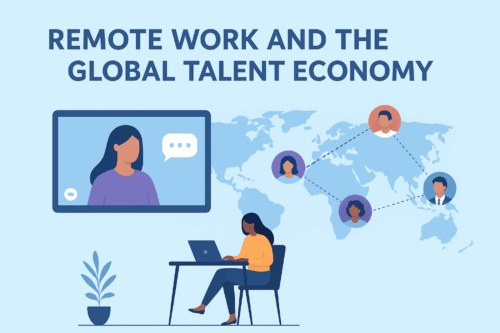
One of the biggest advantages of virtual consultancy firms is their ability to bring together diverse teams across time zones. Consultants no longer need to be in the same city—or even the same country—as their clients. This borderless service delivery ensures that entrepreneurs gain insights from global perspectives.
Case Examples
Firms like GitLab and Automattic have demonstrated the power of virtual-first operations. These companies built strong global teams without relying on physical offices, proving that digital collaboration can be just as effective, if not more, than traditional models.
Freelance Consulting Platforms
Rise of the Gig Economy
Platforms such as Upwork, Fiverr, and Toptal are revolutionizing consulting by giving businesses access to skilled professionals on demand. This has democratized expertise, allowing startups and SMEs to hire advisors for specific tasks without the overhead of full-time hires.
Access to Expertise for Startups
For small businesses and entrepreneurs, freelance consulting platforms offer cost-effective solutions to tap into niche expertise. Whether it’s strategic planning, digital marketing, or financial consulting, these platforms connect startups with seasoned professionals globally.
Cross-Border Entrepreneurship Consulting
Market Entry Support
As businesses expand internationally, consultants specializing in cross-border entrepreneurship consulting help navigate market entry strategies. From understanding local regulations to finding the right partners, these advisors are critical for global growth.
Cultural and Regulatory Guidance
Cross-cultural management and regulatory compliance are common challenges in global expansion. Consultants with local expertise provide insights into cultural nuances, consumer behavior, and legal frameworks, reducing risks for entrepreneurs entering new markets.
Advantages of Remote Consulting
Remote consulting offers several clear benefits:
- Access to global talent: Businesses can choose from the best experts worldwide.
- Cost efficiency: Reduced overhead compared to traditional firms.
- Flexibility and scalability: Entrepreneurs can scale services up or down based on demand.
Challenges of the Remote Consulting Economy
Communication Barriers
Working across time zones can create scheduling conflicts and slow communication. Clear protocols and project management tools help mitigate these challenges.
Security Risks
Data confidentiality and cybersecurity are growing concerns. Remote consultants must prioritize secure platforms, encryption, and compliance with international data laws.
Trust and Credibility
Without in-person meetings, building trust is more difficult. However, digital platforms with rating systems, transparent contracts, and testimonials are helping bridge this gap.
The Role of Technology
Collaboration Tools
Digital collaboration tools like Zoom, Microsoft Teams, and Slack enable seamless communication. Project management platforms such as Asana, Trello, and Monday.com keep remote teams organized and aligned.
AI and Workforce Platforms
AI is enhancing remote consulting by enabling talent matching and predictive analytics. Platforms like Globalization Partners and Deel help businesses manage international teams while ensuring HR compliance.
Future Outlook of the Global Talent Economy
The demand for specialized global consultants is expected to rise as businesses adapt to a borderless economy. Hybrid models combining remote and in-person consulting will also gain traction. Ultimately, predictions point toward a fully decentralized consulting workforce, where expertise is delivered globally without geographic limitations.
Building Trust in Remote Consulting
One of the greatest challenges in remote work is trust. Traditional consulting often relied on face-to-face interactions, handshakes, and in-person meetings to establish credibility. In the remote economy, consultants must leverage transparent communication, client testimonials, and proven digital portfolios to showcase their expertise.
Entrepreneurs are increasingly relying on platforms like Clarity.fm and LinkedIn Recommendations to verify the credibility of consultants before engaging with them. Video introductions, live Q&A sessions, and case study presentations also help bridge the trust gap.
The Growing Role of Digital Nomads in Consulting
The digital nomad movement has contributed to the rise of the global talent economy. Many consultants are now operating from different parts of the world, offering their expertise remotely while embracing location independence.
This trend benefits entrepreneurs who gain access to diverse perspectives, cultural insights, and often, more affordable services. However, it also highlights the need for clear contracts, cross-border taxation knowledge, and digital tools to manage international engagements seamlessly.
Hybrid Models: The Best of Both Worlds
While remote consulting dominates, a hybrid consulting model is emerging. In this model, most advisory work is done virtually, but key workshops, negotiations, or training sessions may still happen in person.
This approach combines the cost-effectiveness of remote consulting with the personal touch of physical interactions, making it attractive for industries that require deep cultural or organizational alignment.
Predictions for the Next Decade
The global talent economy is set to grow significantly. Here are some key predictions:
- Specialized Consultants Will Dominate: Generalist consulting is fading. Clients will prefer consultants with deep niche expertise.
- AI Integration in Consulting: AI-powered insights will become a standard part of consulting packages, offering data-backed decisions in real time.
- Global Workforce Compliance Tools: Platforms like Deel and Remote.com will make it easier to hire consultants from anywhere in the world legally and securely.
- Decentralized Teams as the Norm: Distributed teams working across continents will become the default consulting model, breaking geographic barriers entirely.
Final Thoughts
The remote consulting economy is not just a trend—it’s a transformation in how entrepreneurs access knowledge and expertise. By embracing virtual consultancy firms, freelance platforms, and global collaboration tools, businesses can tap into a borderless pool of talent.
For entrepreneurs in Africa, Asia, and other emerging markets, this shift presents a powerful opportunity to access world-class expertise at affordable rates, scale their ventures quickly, and compete in the global marketplace.
The message is clear: consulting has gone digital, and the future belongs to those who adapt to this borderless economy.
Conclusion
The rise of remote consulting services and the global talent economy signals a new era of entrepreneurship and advisory. With access to diverse talent, lower costs, and powerful digital tools, businesses can thrive without borders. Embracing this shift is not just a necessity—it’s the future of consulting.