Virtual Reality (VR) and Augmented Reality (AR) Storytelling: Shaping the Future of Media










The Rise of VR and AR Storytelling
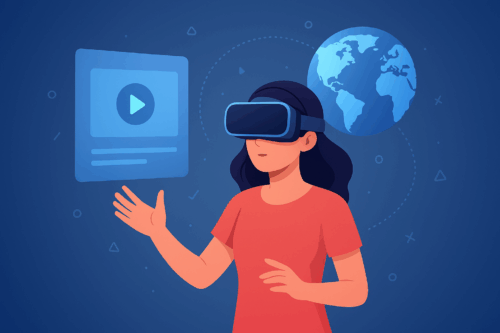
The evolution of storytelling has entered a new era with virtual reality (VR) storytelling and augmented reality (AR) storytelling. Unlike traditional media, these technologies allow users to actively participate in narratives. With devices like Oculus Quest, HTC Vive, Microsoft HoloLens, and Magic Leap, audiences can move beyond passive content consumption into fully immersive media experiences.
VR Journalism: Newsrooms of the Future
Immersive Reporting
Virtual reality journalism is transforming how news is delivered. By placing viewers inside 360-degree environments, VR allows them to experience events such as conflicts, climate disasters, and live press coverage firsthand. Real-time VR newsrooms enhance empathy and create a stronger connection between audiences and global stories.
AR in Education and Training
Interactive Learning
Augmented reality in education provides students with hands-on learning. From exploring molecular structures to stepping into virtual recreations of historical events, AR makes lessons engaging and memorable.
Professional Training
In fields like healthcare and corporate environments, AR and VR deliver risk-free simulations. Surgeons practice complex procedures, while employees train in real-world scenarios without consequences.
Immersive Entertainment and Gamified Media
Films and Concerts
The entertainment industry has embraced immersive media. 360-degree films offer multiple perspectives, while VR concerts in the Metaverse allow fans to join live events virtually, interacting with performers and audiences worldwide.
Gamified Experiences
Gamification in media transforms spectators into participants. Whether it’s films, interactive games, or hybrid experiences, immersive entertainment ensures a personalized connection between the story and the audience.
Tourism and Healthcare Applications
Tourism
The tourism sector leverages VR for virtual tours of landmarks, cities, and museums, helping travelers make informed choices. AR enhances real-world travel with interactive cultural overlays and guides.
Healthcare
In healthcare, immersive storytelling is applied in rehabilitation, mental health therapy, and patient education. VR reduces anxiety during treatments, while gamified rehabilitation exercises improve recovery outcomes.
Entrepreneurs Driving Innovation
Startups are crucial in shaping immersive storytelling. Companies such as Within, Jaunt VR, NextVR, Niantic, and Immersive VR Education are using Unity and Unreal Engine to create innovative solutions. From AR-guided tourism apps to VR classrooms, these pioneers are setting the pace for the future of immersive media.
You can also read on: https://baobabentrepreneur.com/digital-streaming-platforms-and-niche-content-creation/
Challenges in VR and AR Storytelling
Despite rapid growth, challenges remain:
- High hardware costs limit access.
- Technical limitations such as battery life and device comfort affect usability.
- User adoption barriers, as many audiences are still adapting to immersive formats.
- Content creation hurdles, requiring specialized technical skills and tools.
Overcoming these challenges is key to scaling VR/AR storytelling technologies.
The Future of Immersive Media
Next Decade Outlook
The next decade promises breakthroughs across industries:
- VR classrooms in schools will become common.
- Metaverse-based concerts and interactive films will dominate entertainment.
- AR tourism guides will enhance cultural exploration.
- Healthcare applications will expand into therapy and treatment.
As AI, 5G, and cloud computing evolve, immersive media will become more accessible, realistic, and transformative.
Expanding the Horizons of VR and AR Storytelling
Integration with the Metaverse
The rise of the Metaverse has amplified the role of VR and AR storytelling. As companies like Meta, Microsoft, and Niantic build expansive digital ecosystems, immersive storytelling becomes central to engagement. In these shared spaces, users can:
- Attend virtual conferences and concerts.
- Explore 3D educational simulations.
- Create and share their own interactive stories.
The Metaverse ensures that storytelling is no longer confined to a single device but thrives in a connected, global virtual world.
AI-Powered Storytelling in VR and AR
Artificial intelligence is enhancing immersive storytelling by enabling dynamic narratives that adapt in real time. Through AI, characters can respond naturally to user interactions, making experiences feel more authentic. For example:
- Personalized learning paths in VR classrooms.
- Adaptive therapy programs in healthcare applications.
- Interactive customer experiences in retail using AR overlays.
This convergence of AI with immersive media will redefine how stories are created and consumed.
Mixed Reality: Bridging VR and AR
Mixed reality (MR) combines the best of VR and AR, offering users a seamless blend of the physical and digital. With devices like Microsoft HoloLens and Magic Leap, users can:
- Interact with 3D objects in their physical environment.
- Collaborate virtually with colleagues in remote workplaces.
- Experience spatial storytelling where narratives unfold across real-world surroundings.
This hybrid approach expands the versatility of immersive storytelling across industries.
Corporate Adoption of VR and AR Storytelling
Businesses are recognizing the power of immersive media to engage customers and employees. Applications include:
- Marketing campaigns using AR to let customers “try before they buy.”
- Virtual product launches with VR environments for global audiences.
- Employee onboarding using gamified VR training programs.
These strategies not only enhance engagement but also strengthen brand storytelling in competitive markets.
Cultural Preservation and VR/AR Storytelling
VR and AR are also becoming tools for cultural preservation. Museums and cultural institutions are using these technologies to:
- Recreate ancient landmarks in virtual environments.
- Provide AR-enhanced tours with historical context.
- Digitally preserve endangered languages and traditions.
By capturing history in immersive formats, these institutions ensure cultural knowledge is passed to future generations.
Global Trends Driving Adoption
Several global trends are fueling the growth of VR and AR storytelling:
- 5G technology enabling faster, more reliable immersive streaming.
- Affordable hardware making devices accessible to broader audiences.
- Cloud-based platforms supporting collaborative VR/AR projects.
- Gamification trends, where interactive storytelling merges with play.
Together, these forces are accelerating adoption across both developed and emerging markets.
Final Thoughts
The journey of VR and AR storytelling is only beginning. What started as experimental technologies has evolved into powerful tools reshaping industries, culture, and communication. As innovation continues, immersive media will move from niche to mainstream, offering boundless opportunities for creators, educators, healthcare professionals, and entrepreneurs.
The future of storytelling is no longer about telling stories to audiences—it is about building worlds they can live in, explore, and influence.
Conclusion
The convergence of VR storytelling and AR storytelling is redefining media across education, journalism, healthcare, entertainment, and tourism. By adopting these technologies, innovators and industries can deliver experiences that are not just informative, but deeply interactive and participatory. The future of storytelling lies not in telling audiences a story but in placing them inside the story itself.