Leveraging Online Marketplaces and E-Commerce
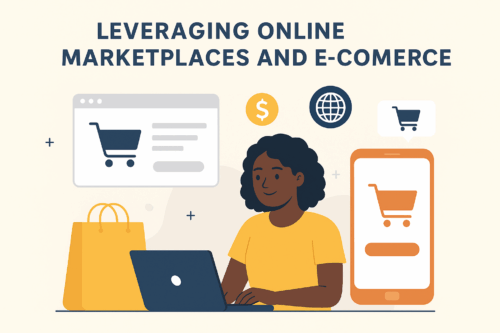











The digital revolution has transformed how businesses operate and consumers shop. Today, e-commerce represents one of the most profitable and accessible industries for young professionals, especially IT graduates. With just a smartphone, internet access, and the right digital tools, entrepreneurs can build sustainable online businesses from scratch.
The growth of online marketplaces has leveled the playing field—making it possible for anyone to sell products and services to local and global customers. In Africa, platforms like Jumia, Tonaton, and OLX are giving small business owners a digital storefront to reach thousands of buyers without investing in a physical shop.
Whether selling handcrafted goods, digital products, or offering dropshipping services, leveraging e-commerce offers limitless potential for innovation and income generation.
Why Online Marketplaces Are the Future of Retail
Changing Consumer Behavior
Shoppers today prefer the convenience of browsing and buying products online. With the rise of smartphones and secure payment systems, e-commerce has become an everyday habit. Consumers can compare prices, read reviews, and make instant purchases—all within minutes.
Platforms such as Amazon, Jumia, and Etsy have revolutionized retail by connecting buyers and sellers directly. Businesses no longer need expensive stores or inventory warehouses to compete—they simply need visibility, strong branding, and customer trust.
Benefits for Entrepreneurs
Online marketplaces offer entrepreneurs low startup costs, high scalability, and access to a ready customer base. Unlike traditional retail, sellers benefit from built-in logistics, customer support, and payment integration. For IT graduates, this ecosystem provides the perfect opportunity to apply their technical and marketing skills while running a profitable digital venture.
How to Start an Online Store with Shopify or WooCommerce
Shopify: Simplifying Store Setup
Shopify is one of the easiest platforms to start an online store. It allows users to set up a professional e-commerce website within hours—no coding skills required. After selecting a niche, sellers can customize their store, upload products, and integrate payment gateways such as Paystack, Flutterwave, or PayPal.
Shopify also provides automated inventory management, marketing analytics, and social media integration, helping entrepreneurs manage their businesses efficiently.
WooCommerce: A Flexible WordPress Option
For WordPress users, WooCommerce is a powerful plugin that turns any site into a fully functional e-commerce store. It’s perfect for users who want full control over customization and features. WooCommerce supports various payment gateways, product variations, and SEO plugins that enhance search visibility.
By combining WordPress flexibility with e-commerce functionality, sellers can create a robust platform that grows with their business.
Selling Digital and Physical Products Through Social Media Shops
Social media has become more than just a space for content—it’s now a thriving e-commerce hub. Platforms like Facebook Shops, Instagram Shops, and TikTok Shop allow entrepreneurs to display products, interact with customers, and process orders seamlessly.
Selling digital products such as e-books, courses, software, or templates has also become increasingly popular among IT graduates. These products require minimal overhead costs and can be sold globally without shipping concerns.
To stand out, use tools like Canva to design engaging visuals, and leverage Meta Ads Manager to promote posts and target your audience effectively. Engaging content and consistent brand storytelling drive conversions and build customer loyalty.
Using Marketplaces Like Jumia, Tonaton, and OLX to Boost Sales
Expanding Your Reach
For African entrepreneurs, platforms like Jumia, Tonaton Ghana, and OLX offer the easiest entry point into e-commerce. These marketplaces already have massive traffic, so sellers instantly gain exposure to thousands of potential buyers.
Optimizing Product Listings
Success on these platforms depends heavily on presentation and keywords. Use high-quality images, write clear and keyword-optimized descriptions, and include all relevant details—such as size, material, and delivery options. These small adjustments can drastically improve product visibility and sales conversions.
Understanding Dropshipping and How It Works for Beginners
Dropshipping is a business model where you sell products without keeping them in stock. Instead, when a customer makes an order, it’s sent directly to a third-party supplier who handles packaging and shipping.
This model is attractive for beginners because it eliminates the need for upfront inventory investment. However, it requires reliable suppliers and careful attention to delivery times and quality control. When done right, dropshipping allows entrepreneurs to build profitable e-commerce stores with minimal financial risk.
How to Set Up Local Delivery Systems for E-Commerce Businesses
One of the biggest challenges in African e-commerce is logistics and delivery. Building a reliable delivery network ensures customer satisfaction and repeat business. Partner with local courier services or delivery startups to handle last-mile distribution efficiently.
Integrating mobile payment systems like MTN Mobile Money or Vodafone Cash makes transactions more accessible for customers who prefer cashless options. Transparency, tracking systems, and timely delivery updates build trust and brand reputation.
Digital Marketing Strategies to Promote Online Stores
SEO and Content Marketing
Optimizing your store for search engines is vital. Use relevant keywords, optimize product titles and descriptions, and write engaging blog content to drive organic traffic. Posting helpful articles, product guides, and tutorials increases credibility and boosts visibility.
Social Media and Paid Ads
Paid advertising on Facebook, Instagram, and Google can rapidly increase sales. Use targeted ads based on location, interest, and demographics. Combine this with organic social media strategies—like consistent posting and influencer partnerships—to build brand authority.
Email Marketing
Tools like Mailchimp or Klaviyo help automate newsletters, offer discounts, and re-engage existing customers. Personalized email marketing improves customer retention and lifetime value.
Integrating Mobile Payments and Customer Support Systems
E-commerce success depends on convenience and trust. Integrate multiple payment options such as Paystack, Flutterwave, Stripe, and mobile money services to give customers flexibility.
For customer support, use WhatsApp Business, live chatbots, or automated email responses to provide quick assistance. Fast, reliable communication helps resolve issues, enhance satisfaction, and encourage repeat purchases.
Scaling Your E-Commerce Business Through Automation and Analytics
As your online store grows, automation becomes essential. Tools like Zapier can automate repetitive tasks such as order tracking, follow-up messages, or social media posting.
Use Google Analytics and Meta Insights to track user behavior, sales performance, and traffic sources. Analyzing this data helps you make informed decisions, improve customer experience, and identify new opportunities for growth.
Common Mistakes to Avoid When Running an Online Store
Many beginners make avoidable errors that hinder growth—such as poor product photography, slow website loading times, and unclear pricing. Avoid these mistakes by investing in quality visuals, optimizing your website for mobile, and offering responsive support.
Additionally, neglecting SEO, failing to track metrics, or ignoring customer feedback can limit your business potential. Consistency and data-driven decision-making are key to long-term e-commerce success.
Future of Online Marketplaces and E-Commerce in Africa
Africa’s e-commerce landscape is evolving rapidly, fueled by mobile penetration, digital payments, and youth innovation. With platforms like Flutterwave, Jumia, and Shopify, entrepreneurs can now compete globally.
The next frontier includes AI-powered personalization, automation, and cross-border logistics that will make online shopping even more efficient. The future of African e-commerce is bright—and those who adapt early will shape the continent’s digital economy.
Expanding Your Brand Through Multi-Channel E-Commerce
One of the most effective ways to grow an online business is through multi-channel selling—using several platforms simultaneously to reach different audiences. While your main store on Shopify or WooCommerce serves as the foundation, you can expand your reach by integrating it with marketplaces, social media, and mobile apps.
1. Syncing with Major Marketplaces
Connecting your e-commerce site with Jumia, Etsy, or Amazon helps you reach customers who already trust these platforms. These integrations can automatically update inventory, pricing, and order fulfillment between platforms—ensuring smooth operations without manual updates.
2. Social Commerce Integration
Adding direct purchase links to Instagram posts, Facebook ads, and TikTok videos creates a seamless buying experience. Many shoppers now prefer purchasing without leaving social platforms, and this strategy increases conversion rates.
3. Mobile App E-Commerce
For businesses looking to expand further, developing a mobile app can improve user experience and brand loyalty. Apps allow for push notifications, exclusive deals, and faster checkout, helping you build a loyal community around your brand.
Building Customer Trust and Retention in E-Commerce
Trust is the cornerstone of any successful e-commerce business. Customers are more likely to return when they feel secure and valued.
1. Transparent Policies and Secure Transactions
Always display clear return policies, warranties, and secure payment badges on your store. Integrate SSL certificates and trusted payment gateways like Paystack, Stripe, or Flutterwave to protect customer information.
2. Authentic Reviews and Social Proof
Encourage buyers to leave honest reviews and testimonials. Positive feedback builds credibility, while constructive criticism helps improve your products and services.
3. Reward Programs and Loyalty Discounts
Offer loyalty points, referral bonuses, or exclusive discounts for repeat customers. These incentives not only retain customers but also encourage word-of-mouth marketing—one of the most powerful growth drivers in digital commerce.
Using Data Analytics to Improve E-Commerce Performance
E-commerce success depends heavily on understanding your customers and optimizing their journey. Tools like Google Analytics, Meta Business Suite, and Shopify Insights provide valuable data to refine your strategy.
1. Analyzing Customer Behavior
Track metrics like bounce rate, conversion rate, and average order value to identify where customers drop off. Improve user experience by simplifying checkout processes and optimizing product pages.
2. Product Performance Analysis
Monitor which products sell best and which don’t. Use that insight to adjust pricing, promotions, or stock levels. Seasonal trends can also reveal profitable opportunities.
3. Advertising ROI Tracking
Measure the effectiveness of your Facebook, Google, or TikTok ads. Knowing which ads generate sales allows you to reallocate budgets for better returns.
Building a Scalable Logistics and Supply Chain System
As orders increase, logistics efficiency becomes critical. Managing inventory, shipping, and fulfillment properly determines whether your business can grow sustainably.
1. Partnering with Reliable Couriers
Work with trusted logistics companies that specialize in last-mile delivery. Establish delivery agreements that balance affordability with reliability.
2. Warehouse and Inventory Management
Consider third-party fulfillment centers that store and ship products for you. This allows you to focus on marketing while professionals handle order processing and delivery.
3. Cross-Border Expansion
For businesses targeting international markets, collaborate with courier services like DHL, FedEx, or Aramex. Offer global shipping options and transparent delivery timelines to attract international buyers.
The Role of IT Graduates in E-Commerce Innovation
IT graduates are uniquely positioned to drive the next wave of digital entrepreneurship. Their understanding of technology, coding, analytics, and systems integration gives them an edge in building innovative solutions for online marketplaces.
1. Developing Tech-Driven Solutions
From custom plugins to AI-based recommendation systems, IT professionals can design digital tools that enhance shopping experiences and streamline business operations.
2. Bridging the Digital Gap
By launching community training programs and mentoring others, IT graduates can help small business owners embrace technology and digital literacy—contributing to economic growth in their regions.
3. Creating Future-Ready Businesses
Through automation, cloud integration, and data-driven decision-making, IT-driven entrepreneurs can scale efficiently while staying agile in a competitive market.
You can also read on: https://baobabentrepreneur.com/teaching-coding-and-robotics-to-kids-building-future-innovators/
Future Trends Shaping Online Marketplaces and E-Commerce in Africa
The African digital economy is on the brink of explosive growth. With increased internet access, smartphone adoption, and fintech solutions, more consumers are turning to e-commerce than ever before.
1. Rise of Mobile-First Commerce
As mobile usage dominates internet access, businesses must optimize websites for smartphones. Mobile-friendly designs and one-click payments are becoming essential for conversions.
2. Growth of Fintech and Mobile Payments
Payment solutions like MTN Mobile Money, AirtelTigo Cash, and Vodafone Cash are revolutionizing digital transactions. Their integration with platforms like Shopify and WooCommerce ensures that even local businesses can sell online with ease.
3. Integration of AI and Automation
Artificial Intelligence will continue transforming e-commerce through chatbots, recommendation engines, and personalized experiences. Automation will reduce human errors and enhance operational efficiency.
4. Sustainable E-Commerce
Eco-conscious practices such as green packaging, ethical sourcing, and digital receipts are gaining importance as consumers demand sustainable business practices.
Building the Future of E-Commerce and Online Marketplaces
E-commerce is more than an opportunity—it’s a movement shaping the way businesses operate in the modern world. For IT graduates and young entrepreneurs, online marketplaces present a gateway to financial freedom and global influence.
By combining innovation, marketing, and customer-focused strategies, it’s possible to create an online business that thrives locally and competes internationally. The key is to stay adaptable, leverage technology, and continuously refine your business approach.
The future of digital entrepreneurship in Africa is bright—powered by creativity, technology, and the unstoppable growth of online marketplaces.
Conclusion: Building a Digital-First Business
Leveraging online marketplaces and e-commerce gives entrepreneurs the power to reach audiences, sell products globally, and build sustainable income streams. By combining creativity, technology, and marketing strategies, IT graduates and business owners can thrive in this new digital era.
E-commerce is not just the future—it’s the present. Start today, and position your brand for long-term success in the world. Start today, and position your brand for long-term success in the world’s fastest-growing digital marketplace.