Teaching Coding and Robotics to Kids: Building Future Innovators
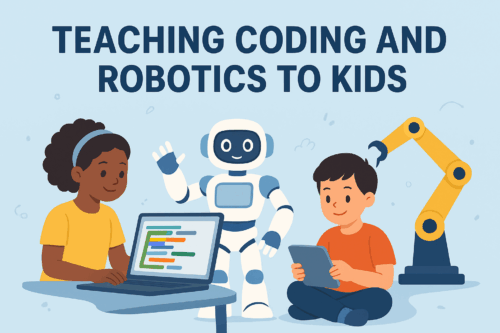











In today’s rapidly evolving world, teaching coding and robotics to kids has become more than just an extracurricular activity—it’s a critical investment in the future. As technology continues to shape industries and everyday life, early exposure to STEM education (Science, Technology, Engineering, and Mathematics) empowers children with problem-solving, creativity, and digital literacy skills. Across the globe—and in developing countries like Ghana—parents, educators, and communities are realizing the importance of coding and robotics education in preparing children for the jobs of tomorrow.
Why Coding Builds Future-Ready Skills
Developing Computational Thinking
Coding teaches children how to think logically, analyze problems, and design creative solutions. Instead of memorizing, they learn to understand processes—breaking big challenges into smaller, manageable steps. This way of thinking, known as computational thinking, enhances reasoning and decision-making abilities useful in any career.
Boosting Creativity and Collaboration
Through coding projects, children learn the importance of teamwork, creativity, and innovation. They don’t just follow instructions—they build games, design animations, and even automate simple tasks. These experiences teach them how to communicate ideas effectively and collaborate on shared goals, shaping them into confident problem solvers.
Starting Coding Clubs and Community Programs
Empowering IT Graduates
IT graduates and tech enthusiasts have the power to make a real difference in their communities by launching coding clubs and robotics workshops. By creating spaces where kids can learn and experiment, they help bridge the digital divide and spark interest in technology.
Steps to Launch a Coding Club
To start a successful club:
- Partner with local schools or libraries to gain access to students.
- Use free coding resources like Code.org, Scratch.mit.edu, or Tynker to design beginner-friendly lessons.
- Integrate hands-on robotics projects using tools like micro:bit or Arduino.
- Organize monthly hackathons or coding challenges to keep learners engaged and inspired.
These initiatives not only teach coding but also foster leadership, teamwork, and digital confidence among children.
Fun and Visual Learning with Scratch
Why Scratch is Perfect for Beginners
Scratch programming, developed by MIT, is an ideal starting point for children. Its drag-and-drop interface allows kids to create games, animations, and stories visually, without writing complex code. This makes learning fun and accessible even for those as young as six years old.
Encouraging Creativity
Using Scratch, kids can experiment, test ideas, and instantly see the results of their work. The platform’s online community also lets them share their projects, receive feedback, and collaborate with peers worldwide—turning learning into an engaging social experience.
Introducing Python for Young Coders
Transitioning from Visual to Text-Based Coding
After mastering visual programming, kids can progress to Python, one of the most popular and beginner-friendly text-based languages. Python’s simple syntax and wide application in AI, web development, and automation make it perfect for young learners ready to take the next step.
Interactive Learning Platforms
Platforms such as Khan Academy, Coursera, and Tynker offer step-by-step tutorials, challenges, and projects to make Python engaging. Kids can learn by building real-world applications—like mini-games or chatbots—boosting both confidence and technical ability.
Using Affordable Robotics Kits in Classrooms
Hands-On STEM Learning
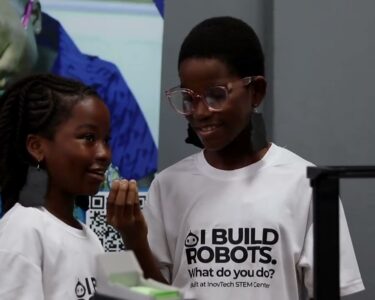
Nothing excites children more than bringing their code to life through robots. Affordable kits like LEGO Mindstorms, Arduino, Raspberry Pi, and micro:bit make robotics education accessible to schools and community centers.
Real-World Applications
Students learn to assemble robots, connect sensors, and program them to perform tasks such as following lines or avoiding obstacles. This blend of mechanical engineering and coding provides a deep understanding of how technology interacts with the real world—preparing students for careers in engineering, automation, and AI.
Organizing Game Development and STEM Workshops
Making Learning Fun
Game development is one of the most effective ways to teach coding and design thinking. By organizing STEM and game development workshops, educators can turn play into a learning experience.
Encouraging Teamwork
Students collaborate to design storylines, characters, and levels while learning about loops, logic, and user experience. This creative process nurtures teamwork, leadership, and communication skills—valuable traits beyond the classroom.
Marketing Coding Classes to Parents and Schools
Showcasing Benefits
To grow a successful coding education program, it’s vital to communicate its benefits. Parents and schools are more likely to invest when they see tangible results. Sharing student success stories, hosting demo classes, and showcasing student projects can help build credibility and trust.
Building Partnerships
Collaborate with schools, after-school programs, NGOs, and local governments to integrate coding into existing curricula. Offer hybrid programs combining online and offline lessons to make classes accessible to more families.
Online Platforms for Teaching Coding Remotely
Accessible Digital Learning
With the growth of online education, children can now learn coding at home through platforms such as Code.org, Udemy, and Tynker. These tools offer interactive lessons, games, and progress tracking to keep learners motivated.
Global Collaboration
Remote learning allows kids from different regions to work together on global projects, fostering cross-cultural communication and teamwork. It’s a dynamic way to learn technology and build relationships beyond geographical boundaries.
Benefits of Early STEM Education
Stronger Academic and Career Outcomes
Early exposure to STEM subjects improves academic performance in math, science, and logical reasoning. Children who learn coding early are more confident, disciplined, and creative in approaching complex problems.
Lifelong Learning Mindset
STEM education fosters curiosity and innovation. Kids who learn to code see themselves not as users of technology but as creators—preparing them for a lifetime of discovery and adaptability in the evolving digital landscape.
Building a Career as a STEM Educator
Opportunities for Professionals
The demand for coding tutors, robotics coaches, and STEM educators is rising globally. Professionals passionate about technology and teaching can build rewarding careers both in-person and online.
Certifications and Recognition
Educators can enhance their credibility through certifications from organizations such as STEM.org, Hour of Code, or the Robotics Education & Competition Foundation. These credentials open opportunities for global teaching roles and collaborations with schools or edtech startups.
Future Trends in Coding and Robotics Education
Integrating AI and Virtual Reality
The future of STEM education is increasingly powered by artificial intelligence, machine learning, and virtual reality. AI-based learning assistants will personalize lessons for students, while VR simulations will make robotics training immersive and engaging.
Gamified and Project-Based Learning
As education evolves, gamification and project-based learning will make coding even more interactive. Students will design apps, robots, and games that solve real-world problems—blending creativity, innovation, and technology.
Teaching coding and robotics to kids is not just about writing code—it’s about empowering a generation to create, innovate, and lead. By supporting STEM initiatives and making learning accessible, we can help shape a brighter and more technologically advanced future for all.
The Role of Parents and Teachers in Coding Education
Creating a Supportive Environment
Parents and teachers are the backbone of successful coding and robotics education. Their encouragement helps children stay motivated and curious. Parents don’t need to be programmers to help—they can create supportive learning spaces at home, provide internet access, and celebrate their children’s progress.
Teachers, on the other hand, play a crucial role in integrating coding into school curricula. By introducing activities that connect coding with other subjects—like math, art, and science—they help children understand the real-world applications of technology. Professional development programs for teachers can further improve their ability to deliver effective coding lessons.
Encouraging Exploration and Experimentation
Children learn best when they are allowed to experiment, fail, and try again. Encouraging kids to build small projects—like a mini robot, a quiz app, or a digital story—helps them understand that mistakes are part of the learning process. Parents and educators should focus on curiosity and creativity over perfection.
Bridging the Digital Divide Through Community Initiatives
Empowering Underserved Communities
In many parts of the world, especially in developing regions, access to STEM education remains limited. Community-based coding programs can bridge this gap by providing affordable or free training opportunities for kids who might not have access to computers or internet at home.
Initiatives such as Ghana Code Club and Hour of Code have already proven how powerful such community-driven programs can be. By partnering with NGOs, schools, and government agencies, these programs bring technology closer to children, helping them envision a future in which they are creators, not just consumers.
Sponsorships and Public-Private Partnerships
To scale these efforts, organizations can collaborate with private companies, universities, and tech foundations to sponsor coding bootcamps, robotics labs, and mobile STEM classrooms. These partnerships create sustainable pathways for children in rural and low-income areas to explore coding and robotics at an early age.
Integrating Coding and Robotics into the School Curriculum
Curriculum Development for All Ages
Coding and robotics should not be treated as one-time workshops but as a continuous learning process embedded into the school curriculum. For younger students, block-based programming tools like Scratch and Blockly can introduce logic and creativity. As they advance, Python, JavaScript, and Arduino programming can help them transition to more technical subjects.
Collaborative Learning Environments
Schools can establish STEM labs and maker spaces, where students collaborate on projects that combine coding, robotics, and engineering. By making learning hands-on, teachers can inspire deeper engagement and help students understand abstract scientific concepts through experimentation.
The Economic and Social Impact of Early Tech Education
Building Future Innovators
Countries that invest in coding and robotics education for kids build stronger economies. Children who learn to code today could become tomorrow’s software developers, data scientists, and tech entrepreneurs. This not only drives innovation but also helps reduce youth unemployment by equipping students with high-demand skills.
Promoting Inclusion and Gender Balance
Coding and robotics are also tools for social inclusion. Encouraging girls and underrepresented groups to participate in STEM activities helps close the gender gap in technology. With mentorship and supportive environments, more young women can pursue careers in science and engineering, creating a balanced and diverse future workforce.
Sustainability and the Future of EdTech
Blending Technology and Sustainability
As the world embraces digital transformation, educators must also consider sustainability in coding and robotics education. Teaching students about energy-efficient coding, green robotics, and technology recycling encourages responsible innovation.
Adapting to Future Technologies
The future classroom will merge artificial intelligence, virtual reality, and augmented reality with traditional learning methods. Students will be able to simulate robotics experiments, code virtual machines, and collaborate in immersive 3D environments—making education more engaging and accessible than ever before.
Practical Tips for Educators and Parents
1. Start Early and Keep It Fun
Introduce coding through games, puzzles, and storytelling. Make learning interactive with platforms like Code.org and Scratch.mit.edu.
2. Encourage Project-Based Learning
Let children build something tangible—whether it’s a simple robot or an animation. Seeing their code in action keeps them motivated.
3. Use Affordable Tools
You don’t need expensive equipment. Tools like micro:bit and Tinkercad are inexpensive yet powerful enough to teach essential concepts.
4. Integrate Coding into Everyday Life
Encourage children to explore coding apps or problem-solving games in their free time. This helps them learn without pressure.
5. Connect Learning to Careers
Show children how coding applies to fields like medicine, architecture, art, and business. This widens their understanding of technology’s impact.
Empowering the Next Digital Generation through Coding and Robotics
Inspiring Curiosity and Confidence
Every great innovator starts with curiosity. Coding and robotics education empowers children to explore how the digital world works—how apps are built, how robots move, and how systems communicate. When children learn that they can create something meaningful with technology, it boosts their self-confidence and curiosity.
Educators and parents should encourage exploration rather than perfection. By giving kids the freedom to make mistakes and fix them, we teach resilience—one of the most valuable lessons for both coding and life.
The Global Shift Toward Early Tech Literacy
Governments worldwide are recognizing the importance of digital literacy as a foundation for future employment and innovation. Countries like the U.S., the U.K., and Finland have already integrated coding and robotics into their national education systems.
In Africa, initiatives like Africa Code Week and Ghana Code Club are closing the digital gap, introducing thousands of young learners to coding each year. This growing movement demonstrates that coding education is not limited by geography—any community with a computer, tablet, or even a smartphone can start.
Bringing Robotics and AI into Everyday Classrooms
From Basic Robots to Artificial Intelligence
As robotics and AI (Artificial Intelligence) evolve, it’s crucial that kids understand how these technologies function. Starting with simple robotics kits and progressing to AI-based applications, students can learn to train models, analyze data, and even automate simple tasks.
For example, using micro:bit sensors or Raspberry Pi boards, kids can create weather stations, build smart lights, or program voice assistants. These projects make abstract ideas like automation and AI tangible and exciting.
Integrating Robotics Across Subjects
Coding and robotics can easily blend with mathematics, science, and even art. Imagine a math class where students program robots to draw geometric patterns or a science lesson where kids build automated greenhouses to study plant growth. This integration not only enhances learning outcomes but also keeps students engaged through experimentation.
Why Robotics and Coding Matter for Developing Nations
Creating Equal Access to Digital Opportunities
In many developing nations, including Ghana, Nigeria, and Kenya, coding and robotics education can bridge the gap between traditional education and the modern digital economy. By teaching these skills early, schools can empower students with globally relevant competencies, helping them compete on the international stage.
Coding clubs, digital literacy campaigns, and partnerships with global organizations can transform under-resourced communities into innovation hubs. Even a single coding center in a rural area can unlock opportunities for hundreds of students.
Fostering Local Innovation
Coding doesn’t just prepare kids for existing jobs—it teaches them to create new solutions for local challenges. A student who learns to code today could build an app to improve water distribution, create an e-commerce platform for local farmers, or design a low-cost robotics system for waste management.
By focusing on problem-solving and innovation, countries can build sustainable, locally driven digital economies powered by their youth.
The Future of EdTech: Personalized, Immersive, and Global
AI-Powered Learning Experiences
The future of education technology (EdTech) lies in personalization. AI tutors can assess a child’s strengths and weaknesses and deliver customized lessons that adapt to their learning style. This ensures no student is left behind while making coding lessons more efficient and engaging.
Virtual and Augmented Reality in Education
Virtual reality (VR) and augmented reality (AR) are transforming how children learn STEM subjects. Imagine a child putting on a VR headset and entering a virtual lab to build a robot, or using AR to visualize how a code affects a machine in real-time. Such immersive experiences make learning more interactive and memorable.
Global Collaboration and Remote Mentorship
Modern online platforms allow global collaboration between students, mentors, and coding coaches from different countries. A child in Ghana can learn from a robotics mentor in Japan or collaborate on a game project with a class in Canada. This global exchange builds cultural understanding and prepares kids to work in international tech ecosystems.
Encouraging Girls in STEM and Robotics
Closing the Gender Gap in Technology
Despite progress, girls remain underrepresented in STEM fields. Encouraging girls to explore coding and robotics from an early age can help close this gap. Programs specifically designed for girls—like Girls Who Code and Tech Needs Girls Ghana—create safe, supportive environments where they can experiment, ask questions, and build confidence.
Building Role Models for the Next Generation
Representation matters. When young girls see female engineers, developers, and scientists succeeding, they are more likely to pursue similar paths. Schools and coding clubs should regularly highlight female mentors and success stories to inspire inclusion and diversity in technology.
You can also read on: https://baobabentrepreneur.com/exploring-tech-startups-and-entrepreneurship/
The Long-Term Impact of Early Coding and Robotics Education
Cultivating Lifelong Learners
Children who start coding early often develop a growth mindset—the belief that abilities can be developed through dedication and effort. This mindset prepares them to navigate an unpredictable job market, continuously learning new technologies and adapting to change.
Driving National and Global Development
Countries that invest in STEM and digital education see significant benefits in innovation, job creation, and global competitiveness. Teaching coding and robotics isn’t just about preparing kids for tech jobs—it’s about nurturing a generation capable of solving complex global challenges through creativity and technology.
Final Thoughts: Building a Future Driven by Innovation
As we move deeper into the digital age, the question is no longer whether children should learn coding—it’s how soon they can start. By integrating coding and robotics into everyday education, we’re not just teaching technical skills—we’re building problem solvers, thinkers, and innovators who can shape a better future for all.
Every line of code a child writes today is a step toward tomorrow’s innovation. By uniting parents, teachers, communities, and governments under the vision of accessible STEM education for all, we can ignite a generation that doesn’t just adapt to technology but leads it.
The journey begins now—with one curious child, one teacher, and one simple line of code.
Conclusion: Shaping the Next Generation of Innovators
Teaching coding and robotics to kids is not simply about learning programming languages—it’s about shaping creative thinkers and problem solvers. By introducing children to coding early, we empower them to understand, build, and shape the world around them.
From community coding clubs to robotics competitions and online learning platforms, the opportunities to inspire young minds are limitless. Governments, schools, parents, and tech professionals must work together to create inclusive learning environments that prepare every child for the future.
The journey to digital empowerment starts with a single line of code—and the children who write it will be the innovators who drive the next wave of global transformation.