Neurotech and Brain-Based Productivity Tools: The Future of Cognitive Enhancement in 2025
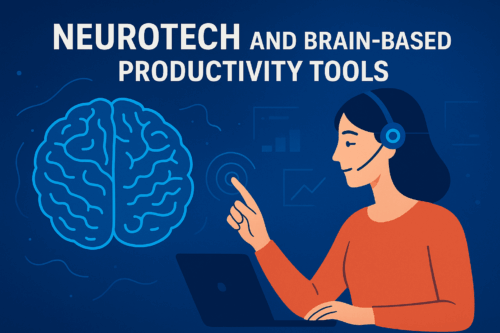











In 2025, the world is witnessing a revolution that merges neuroscience and technology to boost human potential. Known as neurotechnology, this growing field is transforming how we think, learn, and perform. From AI-powered brain productivity tools to neurofeedback wearables, neurotech is redefining what it means to be productive in the digital age.
As hybrid work, learning, and constant digital interaction challenge our mental focus, neurotech offers a new frontier for cognitive optimization and mental efficiency.
What Is Neurotech and Why It Matters in 2025
Understanding Neurotechnology
Neurotechnology refers to the use of devices and systems that measure, interpret, or influence brain activity. Examples include EEG sensors, brain-computer interfaces (BCIs), and neurofeedback headsets that translate brain signals into actionable insights.
These innovations help users monitor focus, manage stress, and enhance learning. In 2025, applications of neurotech extend beyond healthcare into education, corporate training, and personal productivity.
The growing interest in brain productivity tools comes from a desire to understand how the mind works — and how we can use that understanding to unlock better performance.
Link Between Neurotech and Human Performance
Neurotech connects directly to human performance by improving focus, emotional regulation, memory retention, and decision-making. Through AI-driven cognitive analysis, individuals can now track their concentration levels and fatigue patterns in real time.
Companies like Neuralink, Kernel, and Muse are pioneering this transformation, blending neuroscience and wearable technology to create smarter, more responsive tools for daily use.
The Science Behind Brain-Based Productivity
How Neuroscience Improves Focus and Learning
Modern neuroscience has proven that different brainwave patterns — such as alpha, beta, and theta — directly influence concentration and relaxation. Tools that monitor these patterns allow users to train their brains for better focus.
For example, EEG-based focus headsets help professionals maintain attention during complex tasks, while students use similar tools to improve memory and learning speed. By turning brain activity into data, neurotech bridges the gap between mental awareness and measurable productivity.
Cognitive Optimization and Decision-Making
Neuroplasticity, the brain’s ability to adapt and form new connections, is central to cognitive optimization. When paired with behavioral psychology and AI analytics, neurotech tools can identify and enhance users’ learning styles, decision-making habits, and emotional resilience.
This synergy between neuroscience and data science is powering the next wave of AI productivity apps built to work with — not against — the brain.
AI-Powered Tools Enhancing Mental Efficiency
Smart Apps and Neurotech Wearables
AI is playing a major role in mental performance tools. Today’s focus and productivity apps integrate neurofeedback, meditation cues, and time-tracking systems to support healthier working habits.
Wearables like Emotiv and Muse headsets measure brain activity through EEG sensors, offering real-time insights into stress and concentration. These tools not only enhance self-awareness but also encourage users to practice mindfulness while staying productive.
Machine Learning and Personalized Brain Training
Machine learning algorithms help personalize brain training programs by analyzing users’ focus cycles, energy levels, and stress responses. Over time, these systems adapt, recommending optimal work-rest patterns or mindfulness exercises for maximum performance.
This new generation of AI cognitive coaching tools allows individuals to understand their mental efficiency as precisely as athletes track their physical fitness.
Startups and Innovators to Watch
Emerging Neurotech Startups
A growing wave of neurotech startups is emerging across Africa and beyond. Supported by organizations like the GIZ Innovation Fund and MIT Neurotech Lab, these innovators are exploring affordable, accessible neurotechnology for developing markets.
In regions where education and mental health infrastructure are limited, neurotech offers promising solutions — from EEG-powered learning tools to brain-computer interface entrepreneurship that improves access to cognitive support systems.
Global Innovators in Cognitive Technology
Globally, leaders like Kernel, Neuralink, and Muse continue to advance cognitive technology 2025 through wearable devices that decode thought patterns and optimize brain performance. The combination of neuroscience, design, and AI is paving the way for new business models in education, healthcare, and corporate wellness.
The Role of Psychology and Mindfulness in Tech Innovation
Cognitive-Behavioral Design and Wellness
As neurotech evolves, psychology remains at its core. Many modern brain-based tools use cognitive-behavioral design principles (CBT) to help users change mental habits and maintain emotional balance.
Mindfulness-driven technologies integrate these concepts to create sustainable focus habits without overwhelming the mind. This approach promotes productivity that feels natural, not forced.
Neurofeedback for Stress and Creativity
Neurofeedback is one of the most exciting applications of neurotech in mental wellness. By providing real-time feedback on brain activity, it teaches users how to reduce stress and boost creativity.
Professionals, artists, and entrepreneurs are increasingly using neurofeedback wearables to enter “flow states” where focus and imagination peak — proving that the right blend of technology and self-awareness can elevate both performance and well-being.
Challenges and Ethical Considerations
Brain Data Privacy and Security
With great innovation comes great responsibility. The collection of neural data raises serious privacy questions: Who owns this data, and how is it protected?
Ethical neurotech design requires user consent, transparency, and data security to prevent misuse. As brain-computer interfaces become mainstream, regulators and developers must work together to safeguard personal brain data.
Balancing Productivity and Mental Health
While neurotech aims to optimize focus, over-reliance on brain-tracking tools may lead to mental fatigue or digital burnout. The challenge lies in balancing productivity with psychological well-being.
Ethical design principles and mental wellness integration will be critical to ensuring neurotech enhances — not exploits — the human mind.
Opportunities for Entrepreneurs and Investors
Building a Neurotech Startup
For entrepreneurs, the neurotech industry offers immense potential. Launching a neurotech startup requires partnerships with research institutions, neuroscience labs, and AI developers. Prototyping and regulatory compliance are essential steps to building trust and credibility.
Innovators focusing on education, mental health, and corporate performance can tap into a fast-growing global market for cognitive enhancement technologies.
Funding and Market Growth
Funding is expanding through organizations like GIZ Innovation Fund, MIT research partnerships, and private venture capital. The market potential for brain productivity tools spans education, healthcare, and the workplace — sectors where cognitive improvement translates directly to performance and growth.
Investors see neurotech as a future-defining field combining human potential with digital intelligence.
The Future of Work and Cognitive Innovation
As artificial intelligence continues to integrate with everyday life, neurotech will become the next frontier in personal and organizational transformation. Unlike typical productivity apps that track time or habits, brain-based tools measure the very foundation of performance — our neural patterns and emotional states.
By combining neuroscience and AI innovation, these tools can help teams achieve sustained focus, reduce workplace stress, and improve collaboration. Companies that embrace cognitive technology 2025 will not only optimize efficiency but also enhance employee well-being, creativity, and decision-making.
This transformation aligns perfectly with the global push toward human-centered innovation — where technology amplifies human strengths instead of replacing them.
Education, Healthcare, and Corporate Wellness: The Next Neurotech Frontiers
1. Education and Learning Enhancement
In classrooms and e-learning platforms, neurotech is changing how students absorb information. EEG headsets and focus-tracking apps can identify when learners are distracted, enabling teachers to adjust lessons in real time. In developing regions like Africa, affordable neurofeedback wearables could help close the gap in digital education by supporting personalized learning experiences.
2. Healthcare and Mental Performance
In healthcare, brain-computer interfaces (BCIs) are being used for rehabilitation, memory improvement, and emotional therapy. Neurotech startups are developing systems that detect early signs of cognitive decline or burnout, providing valuable tools for mental health professionals.
3. Corporate Wellness and Productivity
Corporations are now adopting brain productivity tools as part of employee wellness programs. Tools that measure attention and stress can guide better work routines, fostering resilience and creativity. In competitive environments, mental agility is becoming as important as technical skill.
Africa’s Growing Role in Neurotech Innovation
While global companies like Neuralink, Kernel, and Muse dominate headlines, African innovators are beginning to play a crucial role in democratizing neurotech. Supported by initiatives such as the GIZ Innovation Fund, entrepreneurs are designing low-cost EEG systems and focus-tracking apps suited for local markets.
These startups are proving that innovation doesn’t have to come from Silicon Valley alone — it can thrive in Accra, Lagos, Nairobi, and Cape Town, where young scientists and engineers are reimagining how neurotechnology can serve education, healthcare, and creative industries.
Africa’s blend of youthful talent, social entrepreneurship, and digital ambition creates the perfect foundation for sustainable neurotech development that’s inclusive and impactful.
Building the Ethical Foundation for a Neurotech Future
As neurotech advances, one question remains vital: How do we ensure technology respects the sanctity of the human mind?
The collection of brain data — from EEG signals to emotional analytics — demands strong data protection policies and ethical frameworks.
Governments, universities, and private tech companies must collaborate to build transparent regulations that define ownership of neural information. Ethical innovation means ensuring that users remain in control of their data, choices, and privacy.
Balancing productivity enhancement with mental well-being will be the hallmark of responsible neurotech design. The most successful entrepreneurs will be those who combine business acumen with empathy — creating tools that improve life rather than simply track it.
Investment Outlook: The Neurotech Market Beyond 2025
The neurotech industry is forecast to exceed $20 billion globally by 2030, driven by rapid advances in AI, biosensors, and wearable interfaces. Investors are increasingly looking at neurotech as a long-term growth sector that merges deep science with everyday usability.
Key growth areas include:
- Brain-computer interfaces (BCIs) for education and rehabilitation
- AI-based focus and productivity platforms for hybrid workers
- Neurofeedback wearables for stress management and mindfulness
- Data analytics for mental performance optimization
For investors and entrepreneurs, now is the time to engage with neuroscientists, cognitive engineers, and AI developers to build scalable, ethical solutions. Those who invest early in cognitive technology startups will help define the future of mental performance and digital wellness.
Final Thoughts
The fusion of brain science and artificial intelligence represents one of the most transformative technological revolutions of our era. Neurotech is not just about reading brainwaves — it’s about reimagining how we interact with our own minds.
In 2025 and beyond, brain-based productivity tools will empower individuals to understand themselves better, make smarter decisions, and achieve greater balance in their personal and professional lives.
As the field continues to evolve, one principle must guide innovation: technology should always serve humanity, not replace it. By grounding neurotech in ethics, accessibility, and mindfulness, we can unlock the full potential of human intelligence — not through machines alone, but through harmony between the brain and technology.
Conclusion
The rise of neurotech and brain-based productivity tools marks a turning point in how we understand and enhance human potential. As neuroscience, psychology, and AI merge, we are entering an era where the brain becomes our most valuable interface.
The challenge ahead lies in balancing innovation with ethics — ensuring that the pursuit of productivity never comes at the cost of mental well-being. In 2025 and beyond, those who master this balance will lead the next evolution of work, learning, and creativity.