Real Estate and Construction Opportunities in Ghana












The Real Estate Boom in Ghana
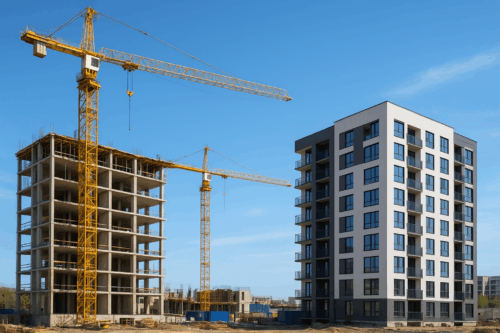
Ghana’s real estate and construction industry is experiencing rapid growth, driven by urbanization, population expansion, and increasing demand for housing and commercial spaces. With Accra, Kumasi, and Tema expanding at record pace, the sector has become a major contributor to Ghana’s economic development. From affordable housing to smart cities, the opportunities for investors, entrepreneurs, and startups are immense.
Affordable Housing Projects for Urban Areas
Government Initiatives
The government has recognized Ghana’s housing deficit—estimated at over 1.8 million units—and launched affordable housing programs to close the gap. Projects like the National Affordable Housing Project and the Saglemi Housing Project are part of efforts to provide homes for middle- and low-income families.
Public-Private Partnerships (PPPs)
To accelerate development, the state is working closely with private developers through PPP models. Partnerships with companies like Regimanuel Gray and Devtraco Limited are helping to deliver housing estates tailored for Ghana’s urban population.
Case Studies: Accra, Kumasi, Tema
In Accra, Appolonia City has emerged as a large-scale community integrating housing, schools, and retail centers. Kumasi has seen mid-range apartment projects grow, while Tema continues to attract industrial real estate development due to its port and logistics hub.
Entrepreneurship in Land and Property Investment
Small-Scale Investors and Property Flipping
Beyond big developers, opportunities exist for small-scale entrepreneurs to venture into land acquisition, property development, and flipping. Many young investors are entering real estate by purchasing plots, building rental units, or reselling developed land for profit.
Real Estate Agencies and Management Startups
Startups are also tapping into the growing demand for property management and brokerage services. Platforms like Plendify Real Estate Services and local agency apps are helping connect buyers, sellers, and renters more efficiently, making real estate more accessible.
Smart Homes and Tech-Driven Construction
Green Building and Eco-Friendly Materials
Sustainability is becoming a focus in Ghana’s construction industry. Developers are increasingly adopting eco-friendly building materials, solar energy solutions, and energy-efficient designs. This aligns with global climate goals and positions Ghana as a leader in green real estate in Africa.
PropTech and Smart Home Innovations
PropTech startups are reshaping how properties are designed, marketed, and managed. From automated smart homes to digital platforms for property listings, technology is driving innovation. Companies are integrating IoT solutions to provide modern housing options that appeal to Ghana’s rising middle class and diaspora buyers.
Challenges in Real Estate and Construction
Land Litigation and Regulatory Hurdles
Land disputes remain one of the biggest challenges in Ghana’s property sector. Multiple sales of the same land and unclear ownership records create risks for buyers and investors. In addition, lengthy permit processes and bureaucracy can slow down construction projects.
High Building Costs and Financing Barriers
The cost of building materials—much of which are imported—remains high, making housing unaffordable for many. Limited access to mortgage financing also restricts home ownership. Entrepreneurs face similar struggles with funding to scale property developments.
You can also read on: https://baobabentrepreneur.com/fashion-beauty-and-creative-arts-industry-driving-ghanas-creative-economy/
The Future of Real Estate in Ghana
Role of Foreign Investment and Diaspora
Foreign investors and the Ghanaian diaspora play a growing role in real estate financing. Diaspora contributions are fueling residential and commercial projects, while international investors are keen on Ghana as a stable entry point into Africa’s real estate market.
AfCFTA, Smart Cities, and Urban Planning
With the African Continental Free Trade Area (AfCFTA) headquartered in Accra, regional trade is expected to increase demand for logistics, commercial, and residential spaces. At the same time, Ghana’s vision for smart cities and sustainable urban planning creates opportunities for tech-driven and eco-conscious developers.
Opportunities for Entrepreneurs and Investors
Real Estate as a Wealth-Building Strategy
For many Ghanaians, real estate has become a proven path to wealth creation. Unlike volatile sectors, land and property typically appreciate in value. Entrepreneurs who begin with small-scale investments, such as rental apartments or commercial shops, can steadily scale into larger developments.
Growing Middle-Class Demand
Ghana’s rising middle class is fueling demand for gated communities, smart homes, and modern apartments. Investors who align projects with this demographic—offering flexible payment plans and amenities like gyms, Wi-Fi, and security—stand to benefit greatly.
Diaspora-Driven Projects
The Ghanaian diaspora, particularly through initiatives like Year of Return and Beyond the Return, has shown strong interest in owning property back home. Many developers now tailor marketing campaigns directly to diaspora buyers, offering reliable payment and property management systems to attract investment.
Real Estate as a Driver of Africa’s Growth
Ghana as a Gateway Market
With its political stability and fast-growing economy, Ghana is positioning itself as a gateway for real estate investors into West Africa. Construction companies and startups that succeed in Ghana can expand regionally under AfCFTA, tapping into larger markets.
Regional Infrastructure and Trade
As transport corridors and regional trade hubs expand, opportunities will grow in logistics warehouses, industrial zones, and mixed-use developments. Entrepreneurs who anticipate this trend can position themselves early in emerging regional property markets.
Final Thoughts: Building Ghana’s Real Estate Future
The real estate and construction sector in Ghana is more than bricks and mortar—it is a foundation for economic transformation, wealth creation, and community development.
For entrepreneurs, this sector offers fertile ground to test innovative models, from green building and smart homes to property management platforms. For investors, Ghana remains one of Africa’s most promising property markets with strong returns on both residential and commercial developments.
Despite hurdles like high building costs and regulatory bottlenecks, the opportunities outweigh the challenges. With strategic planning, partnerships, and a focus on sustainable growth, Ghana’s real estate sector is set to become a pillar of Africa’s modern economy.
The time to invest and innovate is now. Ghana’s skyline—and its future—are still under construction.
Conclusion: Unlocking Ghana’s Real Estate Potential
Ghana’s real estate and construction sector is full of promise. From affordable housing to smart homes, opportunities abound for entrepreneurs, startups, investors, and policymakers willing to innovate and collaborate. While challenges such as land litigation and high building costs persist, the industry’s future is bright—driven by urbanization, digital transformation, and international partnerships.
For entrepreneurs and investors, Ghana’s property market is not just about building houses—it’s about building the future.