Tech-Integrated Handicrafts (Craft-Tech): Blending Tradition with Innovation
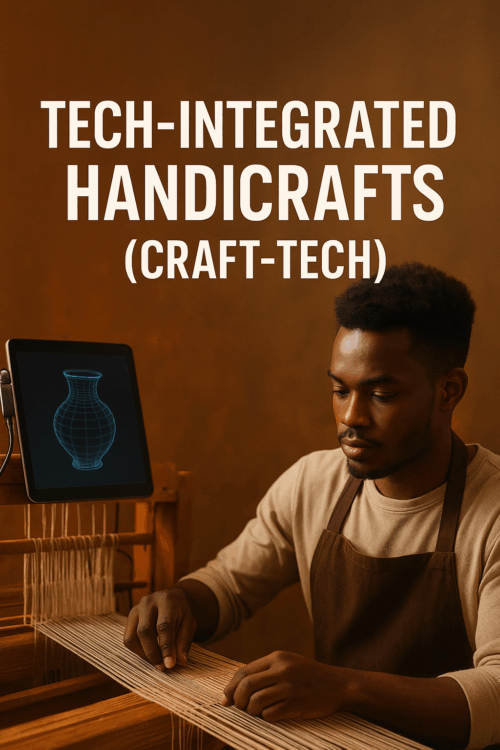












The world of handicrafts is experiencing a transformation. For centuries, artisans relied solely on inherited skills, natural materials, and traditional techniques to produce cultural treasures. Today, these traditions are converging with digital innovation, giving rise to tech-integrated handicrafts, also known as Craft-Tech. By merging artistry with advanced tools such as 3D printing, IoT, AR/VR, AI, and blockchain, artisans are expanding possibilities, creating unique products, and reaching new global audiences.
The Rise of Craft-Tech
Tradition Meets Technology
Handicrafts have always been rooted in culture, history, and identity. However, modern consumers are seeking more than just beauty—they demand functionality, personalization, and interactivity. Craft-Tech bridges this gap by allowing artisans to adapt heritage crafts to contemporary needs without losing authenticity.
From digitally enhanced weaving looms to smart jewelry, artisans are finding ways to integrate innovation into their traditional practices, ensuring relevance in the fast-paced digital economy.
Global Examples of Craft-Tech Adoption
Worldwide, craft-tech adoption is rising:
- Fab Labs and Maker Faires introduce artisans to 3D design and prototyping.
- Innovation hubs in Asia and Africa are training local craftspeople in digital fabrication.
- Cultural organizations like UNESCO and the World Crafts Council are promoting the digital preservation of intangible heritage through Craft-Tech.
3D Printing and Traditional Designs
Modernizing Heritage Crafts
3D printing in handicrafts allows artisans to modernize their designs without replacing cultural traditions. For instance, jewelry makers use 3D printers to craft intricate molds inspired by ancient motifs, which are then combined with traditional metalworking. Potters are experimenting with 3D-printed prototypes to refine shapes before hand-finishing.
This fusion ensures that heritage crafts stay relevant to younger, tech-savvy markets while honoring the original cultural techniques.
Case Studies of Digital Fabrication in Handicrafts
- In India, 3D printing is being combined with traditional block printing to produce eco-friendly, customizable textile patterns.
- African design startups are using digital fabrication to reimagine wood carvings with contemporary aesthetics for global export.
- In Europe, glassblowers use 3D-printed molds to create precision designs, marrying centuries-old artistry with digital accuracy.
Smart Handicrafts with IoT
Functional Crafts with Smart Features
The Internet of Things (IoT) has introduced an exciting dimension to handicrafts. Smart handicrafts are not just decorative—they are functional, interactive, and innovative. Examples include:
- Smart lighting fixtures crafted from wood or clay that respond to voice commands.
- IoT-enabled jewelry that tracks wellness indicators such as heart rate or stress levels.
- Handcrafted home decor integrated with smart sensors for energy efficiency.
Applications in Decor, Fashion, and Wellness
The potential markets for IoT-enhanced crafts are immense. From fashion accessories that double as tech wearables to wellness products like aromatherapy devices crafted by artisans, the opportunities in this space are redefining craft entrepreneurship.
AR in Virtual Handicraft Exhibitions
Virtual Showrooms and Immersive Experiences
Augmented Reality (AR) is revolutionizing how handicrafts are showcased. Virtual handicraft exhibitions allow buyers to explore artisan products in 3D, zoom into details, and visualize how items fit into their homes—all without leaving their living room.
Platforms such as Shopify AR, Unity, Unreal Engine, and Google ARCore are empowering artisans to create immersive showrooms that mimic real-life shopping experiences.
Customer Engagement through AR Storytelling
AR is not just a sales tool; it is a storytelling medium. Artisans can use AR overlays to explain the history, cultural symbolism, and crafting process behind each item. This builds authenticity and enhances customer trust, making AR in handicraft exhibitions a powerful engagement tool.
Entrepreneurial Benefits of Craft-Tech
Expanding Market Access
By integrating technology, artisans gain access to global markets, reaching buyers who value modern artisanal technology. Digital platforms amplify visibility, and innovations such as metaverse commerce enable craft businesses to engage in virtual marketplaces.
AI-Driven Personalization and Metaverse Commerce
AI-powered platforms can suggest personalized handicraft products based on buyer preferences, enabling customized craft journeys. Meanwhile, the rise of the metaverse offers a new digital frontier where artisans can sell authentic products in virtual cultural bazaars, expanding the scope of cultural commerce.
Challenges in Craft-Tech Innovations
Cost and Accessibility Issues
For many artisans, the cost of adopting technologies like 3D printers, IoT devices, and AR platforms remains a significant barrier. Without adequate funding or training, small-scale craft entrepreneurs risk being excluded from the Craft-Tech revolution.
Balancing Authenticity with Digital Tools
While technology enhances craft-making, there is an ongoing debate about preserving authenticity. The challenge lies in ensuring that craft-tech innovations do not overshadow the cultural identity of traditional crafts, but rather enhance and preserve them.
Future Trends in Craft-Tech
AI for Artisan Design Support
AI-driven tools are helping artisans design innovative patterns, optimize production, and predict market trends while preserving originality.
Blockchain for Authenticity and Trade
Blockchain authentication ensures transparency and provenance, helping consumers verify that crafts are authentic, handmade, and ethically sourced. This combats the rise of counterfeits in the global handicraft trade.
Metaverse Opportunities for Cultural Commerce
Handicrafts are entering the metaverse, where artisans can showcase and sell digital or physical crafts in virtual cultural spaces. This integration offers limitless potential for cultural tourism, storytelling, and heritage preservation.
Global Case Studies of Craft-Tech in Action
Asia: Craft-Tech in Traditional Textiles
In Japan and India, artisans are blending digital fabrication with heritage textile-making. For example, 3D-printed weaving looms and laser-cut fabric stencils help artisans produce intricate designs faster, while still using traditional dyeing and embroidery techniques. This innovation makes heritage fabrics attractive for both luxury markets and sustainable fashion brands.
Africa: Digital Woodcarving and Jewelry
African artisans are increasingly using CAD (Computer-Aided Design) software alongside traditional carving tools. In Ghana and Kenya, startups are training young artisans in 3D modeling to create export-ready wood and bead jewelry. These products preserve African cultural patterns while meeting global fashion trends.
Europe: Glass and Ceramics Innovation
European artisans, particularly in Italy and Spain, are integrating 3D-printed molds and AR design previews in glassblowing and ceramics. Customers can see virtual prototypes before the item is made, reducing errors and enhancing satisfaction.
Digital Transformation in Handicraft Marketing
E-commerce and Virtual Platforms
Artisans who once relied solely on local craft fairs can now expand globally through Shopify, Etsy, and AR-enabled online stores. These platforms allow integration of 3D product visualization, enhancing buyer confidence.
Social Media for Storytelling
Instagram, TikTok, and Pinterest are powerful channels for craft-tech storytelling. By showcasing the process—from hand sketch to 3D prototype to finished craft—artisans gain a competitive edge. Video-based content drives emotional connections and highlights the authenticity of Craft-Tech products.
Training and Support for Artisans
Innovation Hubs and Fab Labs
Organizations like Fab Labs, Maker Faire, and UNESCO-supported training programs provide artisans with access to digital tools and education. These hubs are crucial in bridging the digital divide and ensuring craft-tech inclusivity.
Collaboration with Tech Startups
Partnerships between artisans and technology startups can spark new product lines. For instance, wearable wellness startups collaborate with artisans to design handcrafted, IoT-enabled jewelry that tracks stress and energy levels.
Economic and Cultural Impact of Craft-Tech
Boosting Artisan Income and Exports
With digital platforms and smart integration, artisans can scale their businesses globally. Craft-Tech innovations often fetch higher prices due to their uniqueness, driving export opportunities and local economic growth.
Preserving Heritage in a Modern Context
Tech-integration does not erase tradition—it documents, preserves, and amplifies it. Through digital archives, AR storytelling, and blockchain authentication, heritage crafts are protected for future generations while remaining commercially viable today.
Action Steps for Entrepreneurs in Craft-Tech
- Explore Accessible Tools – Start with affordable 3D printers, AR plugins, or IoT kits for experimentation.
- Leverage Online Training – Platforms like Coursera, Udemy, and YouTube Maker Communities provide free and paid resources for craft-tech skills.
- Engage in Storytelling – Use blogs, short videos, or AR-enhanced catalogs to narrate the cultural essence of your craft.
- Experiment with Collaborations – Partner with designers, technologists, and cultural institutions to innovate while staying true to your roots.
- Secure Authenticity with Blockchain – If exporting crafts, blockchain certification can increase customer trust and prevent imitation.
Final Thoughts
The fusion of traditional crafts and technology is more than a trend—it is the future of handicraft entrepreneurship. By embracing 3D printing, IoT-enabled smart products, AR exhibitions, AI personalization, and blockchain verification, artisans can protect their heritage while thriving in global markets.
Craft-Tech is not about replacing artisans—it’s about empowering them. With the right blend of creativity and innovation, the world’s oldest traditions can find a permanent place in the modern digital economy.
Conclusion
Tech-integrated handicrafts (Craft-Tech) represent the future of cultural innovation—where tradition meets technology, and heritage merges with global markets. From 3D printing and IoT wearables to AR exhibitions and blockchain authentication, the possibilities are endless.
For artisans, Craft-Tech is not just about adopting tools; it is about reimagining identity, creativity, and entrepreneurship in the digital age. By embracing innovation while preserving authenticity, the handicraft industry is poised to thrive in both physical and virtual worlds.