Women and Youth Empowerment Through Handicrafts
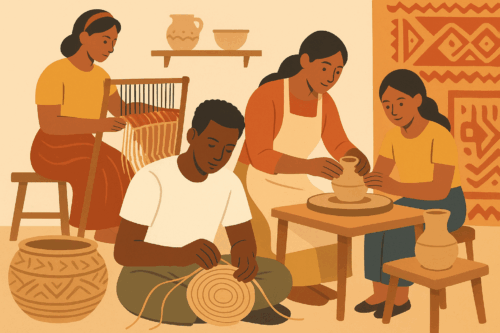









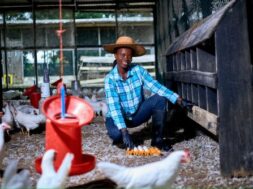

Handicrafts have always been more than just decorative items—they represent cultural identity, tradition, and creativity. In recent years, handicrafts have also emerged as a source of transformation, especially for women and young people in rural and marginalized communities. By learning and practicing traditional skills, individuals are gaining financial independence, building businesses, and contributing to local development.
Global organizations such as UN Women, the International Labour Organization (ILO), the World Fair Trade Organization (WFTO), and the UNESCO Creative Cities Network recognize the value of handicrafts as tools for sustainable livelihoods. These initiatives highlight how women empowerment through handicrafts and youth empowerment crafts can spark long-lasting social and economic change.
The Role of Handicrafts in Empowering Women and Youth
Traditional Crafts as Economic Opportunities
Handicrafts such as weaving, pottery, jewelry, and textiles remain vital in many communities. Beyond preserving cultural traditions, they create income opportunities for women and youth who may lack access to formal employment. These skills are relatively low-cost to learn and often use locally available materials, making them ideal for grassroots entrepreneurship.
Artisan Cooperatives and Community-Based Enterprises
One of the most successful models for empowerment is the rise of community-based handicraft enterprises and artisan cooperatives. By working together, artisans can pool resources, share knowledge, and reach larger markets. Collective business models for artisans help ensure fair wages and create stronger bargaining power. Around the world, artisan cooperatives success stories demonstrate how women-led groups are reshaping local economies and lifting entire households out of poverty.
Skill-Building Programs for Rural and Marginalized Groups
Training and Capacity-Building Initiatives
Many artisans succeed through access to skill development programs for artisans. NGOs and government agencies provide training in areas such as weaving, pottery, jewelry-making, and textile production. These initiatives empower rural women and youth by giving them practical skills that can be turned into sustainable businesses. Organizations like Fair Trade International and local NGOs also provide mentorship, design support, and workshops to ensure artisans produce goods that meet global market standards.
Digital Skill Development
In addition to traditional craft skills, modern training increasingly focuses on digital literacy. Many NGOs now teach artisans how to use platforms like Etsy, Amazon Handmade, Shopify, and Facebook Marketplace to reach global buyers. Even simple, accessible tools like WhatsApp Business are making a difference by enabling rural artisans to connect directly with customers, showcase their products, and manage sales without intermediaries.
Handicrafts as a Pathway to Financial Independence
Entrepreneurship Opportunities for Women and Youth
Handicrafts often provide the first step toward entrepreneurship for women and youth in underserved communities. Through microfinance programs, cooperative structures, and fair trade partnerships, many artisans are moving from subsistence work to running their own enterprises. For rural women handicraft entrepreneurs, this transition represents not only financial empowerment but also greater independence and social recognition.
Case Studies of Financial Transformation
Across the globe, countless artisans demonstrate how handicrafts and financial independence go hand in hand. For example, women-led craft collectives in South Asia have created export-ready products for fair trade markets. In Africa, youth-led jewelry and textile businesses have grown from small workshops into recognized brands. These examples show that handicrafts are more than hobbies—they are engines of financial transformation.
Social Impact of Handicraft Enterprises on Local Communities
Building Stronger Communities
Handicraft enterprises do not just benefit individual artisans; they strengthen entire communities. With increased earnings, families can invest in education, healthcare, and local development. Beyond economics, handicraft groups often foster leadership among women and youth, build confidence, and encourage cultural pride. In many regions, handicrafts function as social enterprises that bring people together to solve community challenges.
Fair Trade and Ethical Consumption
Global consumers are increasingly conscious about their purchases. Fair trade crafts supported by organizations like WFTO and Fair Trade International ensure artisans are paid fairly for their work. Ethical consumption trends mean that buyers are not only purchasing handmade goods—they are supporting livelihoods, equality, and sustainability. This has created a growing market for artisans who can connect their crafts with global demand.
Challenges in Scaling Women and Youth Handicraft Businesses
While progress is evident, challenges remain. Many artisans struggle with limited access to funding, digital tools, and reliable distribution channels. Competition with cheap, mass-produced goods also makes it harder for handmade items to reach mainstream markets. Without consistent NGO support for artisans and stronger policies to promote small-scale producers, many handicraft businesses remain small and vulnerable. Overcoming these barriers requires investment in infrastructure, training, and global visibility.
Future Opportunities: Digital Tools, E-Commerce, and Global Markets
Online Marketplaces and Social Media
Digital transformation is opening new doors for artisans. Online marketplaces such as Etsy, Shopify, and Amazon Handmade allow rural women and youth to showcase their products worldwide. Social media platforms and Facebook Marketplace are equally important in reaching local and regional buyers. Tools like WhatsApp Business provide low-cost ways for artisans to market, sell, and manage customer relationships.
Global Recognition of Traditional Crafts
International initiatives such as the UNESCO Creative Cities Network highlight traditional crafts and connect artisans to global audiences. As consumers increasingly value authenticity and sustainability, demand for traditional and handmade crafts is expected to grow. With the right digital tools and global support, artisans have the potential to compete in international markets while preserving cultural traditions.
Handicrafts as Catalysts of Empowerment
Handicrafts are more than cultural expressions—they are powerful tools for empowerment, financial independence, and social change. For women and youth, especially in rural communities, crafts represent opportunities to gain income, develop entrepreneurial skills, and build stronger futures.
With support from NGOs, fair trade organizations, and digital platforms, artisans are finding new ways to thrive in a globalized world. Supporting artisan cooperatives, rural women handicraft entrepreneurs, and community-based enterprises is not only an investment in culture but also a step toward inclusive, sustainable development.
Handicrafts prove that creativity and tradition can drive empowerment, making them a vital pathway to equality and resilience in today’s world.
How NGOs and Government Support Empower Artisan Growth
The success of women empowerment through handicrafts cannot be achieved in isolation. NGOs and government agencies play a central role in helping artisans access finance, resources, and markets. Microfinance programs, for instance, allow rural women to purchase raw materials or invest in tools without falling into debt. Similarly, government-backed initiatives provide subsidies, grants, and access to training centers.
Partnerships with international bodies like UN Women, ILO, and Fair Trade International have also introduced fair labor practices and global exposure for artisans. Such collaborations ensure that craft-making is not treated as a small-scale activity but as a vital sector for economic growth and gender equality.
Frequently Asked Questions (FAQs)
How do handicrafts empower women and youth?
Handicrafts provide women and youth with practical skills that can be transformed into income-generating businesses. This leads to financial independence, self-confidence, and greater participation in community leadership.
What role do cooperatives play in artisan success?
Cooperatives allow artisans to share resources, negotiate better prices, and collectively market their products. Community-based handicraft enterprises often provide training, mentorship, and access to larger markets that individual artisans cannot reach alone.
Can handicrafts compete with mass-produced goods?
Yes. While mass-produced items are cheaper, handicrafts attract buyers seeking authenticity, cultural value, and sustainability. With support from fair trade crafts and online platforms, artisans can carve out strong market niches.
How can digital platforms help artisans?
Platforms like Etsy, Amazon Handmade, Shopify, and Facebook Marketplace connect artisans directly with global buyers. Even tools like WhatsApp Business make it possible for rural entrepreneurs to showcase and sell their products at low cost.
Call to Action: Supporting Women and Youth Artisans
If you value sustainability, culture, and empowerment, consider supporting local artisans. Purchasing handmade goods directly impacts the lives of women and youth by helping them achieve financial independence and preserve cultural traditions. Whether through fair trade stores, online marketplaces, or local craft fairs, your support strengthens the chain of empowerment that handicrafts provide.
Final Thoughts
Handicrafts stand at the intersection of tradition, creativity, and economic empowerment. For women and youth, they represent far more than a source of income—they are pathways to dignity, leadership, and lasting community impact.
The future of handicrafts lies in combining traditional skills with digital innovation. With continued NGO support for artisans, expanded training programs, and access to global e-commerce platforms, handicrafts can remain both culturally significant and economically transformative.
By supporting artisans, we are not only preserving heritage—we are empowering generations to come.